
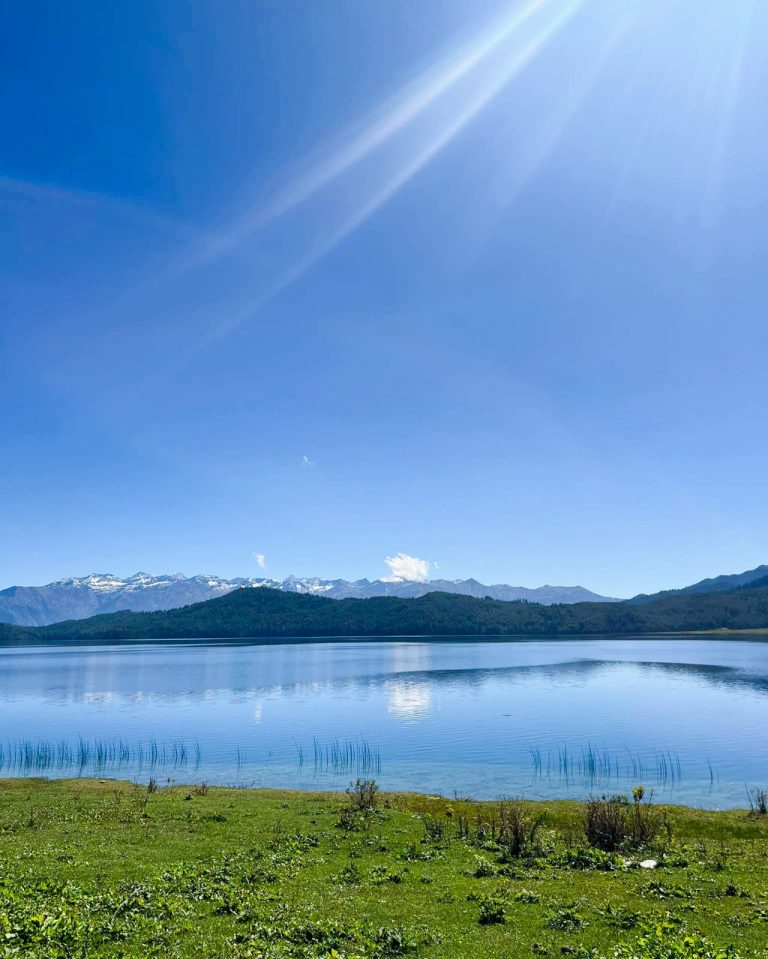
Rara 7 Days Tour
US $499

If you’ve already looked into the standard Manaslu Circuit and thought “I want more of this, not less,” this is the trek. It adds Tsum Valley, a side valley that remained closed to outsiders until the early 2000s, to the start of the regular Manaslu route. You’ll spend close to two weeks in Tsum before you even join the main Manaslu trail, then finish the same way the standard circuit does: climbing to Larke-La Pass and dropping down the other side toward the Annapurna region.
Tibetan Buddhists call Tsum a beyul, a hidden valley set aside as a place of spiritual refuge. That’s not just branding — the valley was genuinely isolated by geography and closed to trekkers until relatively recently, and it still receives far fewer visitors than the Manaslu Circuit itself. Combined with the circuit, this becomes one of the longest, most remote, and culturally richest treks Nepal has to offer: 24 days, two river valleys, several monasteries, a base camp hike, and one high pass at the end.
This is a serious commitment, and it suits a specific kind of trekker:
This is a 24-day, high-altitude trek with several long walking days and multiple sections above 4,000 meters. It’s not the trek to pick if you want something easy, want to keep daily walking to a minimum, or expect well-developed tourist infrastructure at every stop. Both Tsum Valley and the Manaslu region are restricted areas, so you’ll also need a licensed guide and a minimum group size of two — solo, independent trekking isn’t an option here.
This is a genuinely demanding trek, and it’s worth being honest about that upfront. You’re looking at 24 days total, most of them walking, with several days running 6–9 hours. Three separate acclimatization points are built into the route — at Nile, Samagaon, and Samdo — because the trail spends a lot of time above 3,500 meters before it even gets near the final pass.
Terrain-wise, expect river gorges, forested switchbacks, suspension bridges that sway when you cross them, and rocky, sometimes icy trail near the top. None of it requires technical climbing skills or gear like ropes or crampons on a normal crossing, but it does require solid fitness, mental stamina for a long trip, and a willingness to keep going on tired legs. Nights are spent in teahouses — simple, family-run lodges with basic rooms and shared bathrooms — except in Kathmandu, where you’ll stay in a proper hotel.
Tsum Valley is what sets this trip apart from a standard Manaslu Circuit, and it deserves more than a passing mention. The valley sits north of the main Budhi Gandaki route, tucked against the Tibetan border and boxed in by the Ganesh Himal, Sringi Himal, and Boudha Himal ranges. Because of that isolation, it stayed largely closed to outside visitors until the early 2000s, and it still feels like it.
As the trail climbs deeper into the valley, the landscape gets steadily more alpine and the Tibetan Buddhist character of the villages gets steadily stronger. Chumling, Chhokangparo, and Nile — the villages you’ll pass through — are lived-in, working communities rather than tourist stops, with mani walls, chortens, and prayer flags marking the trail the whole way. From Nile, you’ll hike up to Mu Gompa, one of the valley’s oldest monasteries, sitting near 3,700 meters with sweeping views back down the valley. Later, from Chhokangparo, the trail climbs to Gumba Lungdang, a monastery set apart on its own hillside, before a full-day hike up to Ganesh Himal Base Camp at around 4,900 meters, where glaciers and the Ganesh Himal massif dominate the skyline.
None of this is a short detour tacked onto the Manaslu Circuit. It’s close to two weeks of trekking in its own right, and for a lot of people who do this combined trip, it ends up being the part they talk about most.
A standard Manaslu Circuit already delivers dramatic mountain scenery, Tibetan-influenced villages in the upper valley, and the Larke-La crossing. Adding Tsum Valley on the front makes the trip considerably longer, but also considerably more varied — you get two distinct regions instead of one.
| Tsum Valley | Manaslu Circuit |
|---|---|
| Tibetan Buddhist heritage, largely untouched by tourism | High Himalayan mountain landscapes |
| Remote monasteries: Mu Gompa, Gumba Lungdang | The Manaslu massif itself |
| Traditional villages: Chumling, Chhokangparo, Nile | Sama Gaun and Samdo |
| Ganesh Himal Base Camp | Larke-La Pass |
| Isolated, historically closed valley | More established teahouse route |
If your goal is simply to complete the Manaslu Circuit, you don’t need Tsum Valley. But if you want the fuller picture of this corner of Nepal — more culture, more monasteries, more variety in landscape — combining the two is worth the extra time.
Larke-La is the trek’s final and biggest physical test. Sources put its elevation at around 5,106 to 5,160 meters depending on survey — either way, it’s the highest point of the journey by a wide margin, and it comes near the very end of a 24-day trip, when you’ll already have a lot of walking in your legs.
The crossing runs from Dharmasala toward the pass itself before a long descent to Bimthang, and it’s a full day out on the trail — typically 7–8 hours, starting early to beat the afternoon weather that tends to roll in at altitude. Conditions can shift quickly up there: cold temperatures, wind, occasional snow underfoot, and noticeably thinner air all make this day harder than anything lower on the route. It’s not technical, but it is demanding.
The payoff is a wide Himalayan panorama from the top, with Himlung Himal, Cheo Himal, Kang Guru, and Annapurna II all visible on a clear day. Because this is one of the longest and highest days of the whole trek, the itinerary builds in real acclimatization time beforehand — pacing, hydration, and rest in the days leading up to it matter more here than almost anywhere else on the route.
Spring (March–May) and autumn (September–November) are the two recommended windows. Skies tend to be clear, temperatures are moderate rather than extreme, and visibility for the mountain views is at its best.
Winter (December–February) is cold, and snow on the higher sections — including around Larke-La — makes the trek harder and sometimes forces route changes. It’s doable for well-prepared, cold-tolerant trekkers, but it’s not the easy option.
Monsoon season (June–August) brings heavy rain, muddy trails, and leeches at lower elevations, along with a higher chance of flight delays into and out of Kathmandu. Most operators, including us, don’t recommend this window for this particular trek.
This trek spends significant time above 3,500 meters, and the route above 4,000 meters isn’t brief — you’ll be up there for several days in a row before the pass. Three acclimatization points are built into the itinerary for exactly this reason: a rest hike to Mu Gompa from Nile, a rest day in Samagaon (with the option of a hike toward Manaslu Base Camp or Birendra Lake), and a side hike to Rui La near Samdo.
Standard high-altitude precautions apply throughout: drink plenty of water, ascend gradually, and tell your guide immediately if you notice headaches, dizziness, nausea, or unusual fatigue. Guides on this route carry basic medical kits and are trained to recognize altitude sickness early, but the acclimatization schedule itself is your best protection — skipping or rushing it is the most common reason treks like this run into trouble.
Because both Tsum Valley and the Manaslu region are restricted areas, you’ll need several permits, all of which we arrange as part of your booking:
A TIMS card isn’t required on this route, since the restricted area permits cover that function. Permit costs and rules change from year to year, so we confirm current pricing with you directly at the time of booking.
Days on the Manaslu and Tsum Valley trek change dramatically as you move from lower river valleys into high Himalayan terrain. In Tsum Valley, mornings often begin quietly in a simple teahouse before you head out through villages surrounded by mani walls, prayer flags, forests, and mountain scenery. The pace is steady rather than rushed, with time to stop at monasteries, talk with local people, and take in the landscape around you.
As you move deeper into Tsum, the environment becomes increasingly alpine. A day might involve climbing toward Mu Gompa, following narrow mountain trails, or making the demanding hike toward Ganesh Himal Base Camp, where glaciers and the surrounding peaks dominate the view. By evening, you’ll return to a basic teahouse, enjoy a warm meal, and settle into the quiet rhythm of life in one of Nepal’s most remote valleys.
Once you join the Manaslu Circuit, the days become more focused on altitude and mountain scenery. You’ll walk beside the Budhi Gandaki River, cross suspension bridges, pass through Tibetan-influenced villages, and gradually climb toward Sama Gaun and Samdo. Acclimatization days aren’t wasted time here — they’re an important part of preparing for the higher sections ahead.
Day 1: Arrive in Kathmandu (1,300m)
Day 2: Trek preparation day in Kathmandu
Day 3: Drive to Machha Khola (869m) — 7–8 hours
Day 4: Trek to Jagat (1,340m) — 7 hours
Day 5: Trek to Lokpa (2,260m) — 6–7 hours
Day 6: Trek to Chumling (2,386m) — 5 hours
Day 7: Trek to Chhokangparo (3,031m) — 6 hours
Day 8: Trek to Nile (3,361m) — 5 hours
Day 9: Hike to Mu Gompa (3,700m) and return — 4 hours
Day 10: Trek back to Chhokangparo (3,031m) — 5 hours
Day 11: Trek to Gumba Lungdang (3,400m) — 7 hours
Day 12: Hike to Ganesh Himal Base Camp (4,900m) and return — 8–9 hours
Day 13: Trek to Chumling (2,386m) — 4 hours
Day 14: Trek to Deng (1,860m) — 6 hours
Day 15: Trek to Namrung (2,630m) — 7 hours
Day 16: Trek to Sama Gaun (3,520m) — 7 hours
Day 17: Acclimatization hike — Birendra Lake or Pungyen Gompa — 6–7 hours
Day 18: Trek to Samdo (3,860m) — 3 hours
Day 19: Acclimatization hike to Rui La (4,998m) — 8 hours
Day 20: Trek to Dharmasala (4,460m) — 5 hours
Day 21: Cross Larke-La Pass (5,106–5,160m), trek to Bimthang (3,590m) — 8 hours
Day 22: Trek to Dharapani (1,960m) — 8 hours
Day 23: Drive to Kathmandu — 9–10 hours
Day 24: Final departure
Day 1: Arrive in Kathmandu (1,300m)
Land at Tribhuvan International Airport, where our team will pick you up and take you to your hotel. Use the rest of the day to rest and adjust — the trek doesn't start for another two days.
Day 2: Trek preparation day in Kathmandu
A full day for logistics and last-minute prep. You'll meet your guide, go over the route and gear list, sort out any final permit paperwork, and pick up anything you're missing before heading into the mountains. If there's time left over, it's also a good day for basic sightseeing around Thamel or Kathmandu Durbar Square.
Day 3: Drive to Machha Khola (869m) — 7–8 hours
A long road day out of Kathmandu, following the Prithvi Highway before turning north toward the Manaslu region. The last stretch is rough, unpaved road, so expect a bumpy finish. It's a solid introduction to rural Nepal — terraced hillsides, small villages, and your first views of the Budhi Gandaki valley.
Day 4: Trek to Jagat (1,340m) — 7 hours
Walking begins here, following the Budhi Gandaki River upstream through forest and small riverside settlements, crossing several suspension bridges along the way. Jagat is also where your restricted area permits get checked for the first time.
Day 5: Trek to Lokpa (2,260m) — 6–7 hours
The trail climbs steadily through forest, gaining real elevation for the first time. Lokpa marks the point where the route splits — this is roughly where you'll branch off toward Tsum Valley rather than continuing straight up the main Manaslu trail.
Day 6: Trek to Chumling (2,386m) — 5 hours
Your first taste of Tsum Valley proper. The atmosphere shifts noticeably here — smaller, quieter villages, more mani walls and prayer flags, and a slower pace of life than the lower valley.
Day 7: Trek to Chhokangparo (3,031m) — 6 hours
A longer walking day, climbing further into the valley. Chhokangparo is one of the larger settlements in Tsum, and a good base for the next couple of days.
Day 8: Trek to Nile (3,361m) — 5 hours
The trail continues deeper into Tsum, with the landscape turning increasingly alpine. Nile is close to the head of the valley and serves as your base for the Mu Gompa hike the next day.
Day 9: Hike to Mu Gompa (3,700m) and return — 4 hours
A rewarding side hike up to one of Tsum Valley's oldest monasteries. It's a quiet, active site — monks still live and pray there — with good views back down the valley. You'll return to Nile for the night.
Day 10: Trek back to Chhokangparo (3,031m) — 5 hours
Retracing part of the route back down the valley, this time with the benefit of already knowing the trail. It's a slightly easier day than the climb up.
Day 11: Trek to Gumba Lungdang (3,400m) — 7 hours
A longer day up to a monastery set apart on its own hillside, away from the main village trail. It's one of the more atmospheric stops on the trek — remote, quiet, and a good base for the following day's hike.
Day 12: Hike to Ganesh Himal Base Camp (4,900m) and return — 8–9 hours
A demanding full-day hike to the base camp of the Ganesh Himal range, with glaciers and high peaks close at hand. This is a serious altitude day, so pacing matters. You'll return to Gumba Lungdang or a nearby lodge for the night.
Day 13: Trek to Chumling (2,386m) — 4 hours
Heading back down out of upper Tsum Valley, losing altitude and warming up again as the trail drops through forest.
Day 14: Trek to Deng (1,860m) — 6 hours
Leaving Tsum Valley behind and rejoining the main Manaslu Circuit trail. The route follows the Budhi Gandaki through bamboo forest, crossing back and forth over the river on wobbly suspension bridges.
Day 15: Trek to Namrung (2,630m) — 7 hours
A long day walking through a narrow gorge with the river running below. This section marks the shift into the more strongly Tibetan-influenced upper Manaslu valley.
Day 16: Trek to Sama Gaun (3,520m) — 7 hours
Passing through smaller villages like Lihi and Sho on the way, with Manaslu, Himalchuli, and Ngadi Chuli increasingly visible ahead. Sama Gaun itself is a scattered, high-altitude village of stone houses beneath Manaslu's north face — you'll spend two nights here.
Day 17: Acclimatization hike — Birendra Lake or Pungyen Gompa — 6–7 hours
A rest day from full trekking, but not from walking. Most groups either hike to the glacial Birendra Lake nearby or up to Pungyen Gompa, an old monastery above the village. Either option helps with acclimatization while giving you a genuine reason to explore the area.
Day 18: Trek to Samdo (3,860m) — 3 hours
A short walking day, which helps keep the altitude gain gradual. Samdo is a small, high settlement close to the old trading route into Tibet, with a noticeably starker feel than Sama Gaun.
Day 19: Acclimatization hike to Rui La (4,998m) — 8 hours
A long day trip up to Rui La, right on the edge of the Tibetan border, with views into Tibet's high valleys on a clear day. It's a demanding hike, but it's also your final acclimatization push before the pass.
Day 20: Trek to Dharmasala (4,460m) — 5 hours
A shorter but high-altitude day to Dharmasala, a basic settlement whose name traditionally refers to a rest house for pilgrims. This is the last stop before Larke-La — accommodation here is simple, so go in with realistic expectations.
Day 21: Cross Larke-La Pass (5,106–5,160m), trek to Bimthang (3,590m) — 8 hours
The biggest day of the trek. An early start gets you over the pass before the weather turns, with a steep climb followed by a long descent to Bimthang. On a clear day, the views from the top take in Himlung Himal, Cheo Himal, Kang Guru, and Annapurna II.
Day 22: Trek to Dharapani (1,960m) — 8 hours
A long final trekking day, dropping steadily in altitude as the trail joins the Annapurna Circuit route near Dharapani.
Day 23: Drive to Kathmandu — 9–10 hours
A full day of road travel back to the capital. Most people spend the evening enjoying a hot shower, a proper meal, and the trek's farewell dinner.
Day 24: Final departure
Transfer to Tribhuvan International Airport for your flight home, depending on departure time.

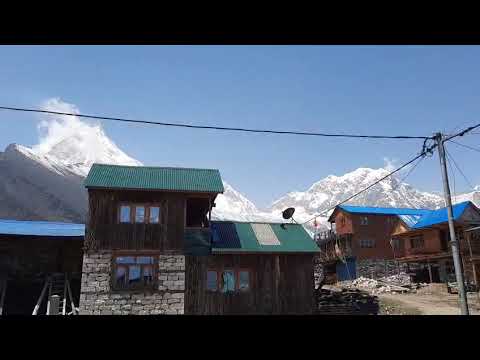
The trek is 24 days, including arrival, preparation, trekking, acclimatization, the Larke-La crossing, return to Kathmandu, and final departure.
The highest point is Larke-La Pass, which the package lists at approximately 5,106–5,160m, depending on the elevation source.
Yes. It is a demanding high-altitude trek involving several long walking days, multiple sections above 4,000m, and the challenging Larke-La Pass crossing.
Previous multi-day hiking experience is recommended. The route is long and demanding, so it is better suited to trekkers who are already comfortable with extended mountain walks and altitude.
Tsum Valley is a historically isolated Himalayan valley with a strong Tibetan Buddhist culture. It is known for traditional villages, monasteries, mani walls, prayer flags, and its relatively low level of tourism.
The itinerary includes visits or hikes to Mu Gompa and Gumba Lungdang, both important cultural highlights of the Tsum Valley section.
Yes. The itinerary includes a dedicated hike to Ganesh Himal Base Camp at around 4,900m, followed by a return to the trekking route.
Combining them gives you two distinct Himalayan experiences in one trek — the culturally rich and relatively isolated Tsum Valley followed by the high-altitude Manaslu Circuit and Larke-La Pass.
The recommended seasons are spring (March–May) and autumn (September–November), when the package notes generally better weather, moderate temperatures, and clearer mountain visibility.
Yes. The trek spends considerable time above 3,500m, with several sections above 4,000m. The itinerary includes acclimatization periods at Nile, Samagaon, and Samdo to help prepare for the higher elevations.
The package lists four main permits:
The package states that these are arranged as part of the booking.
According to the package, no. Both Tsum Valley and Manaslu are restricted areas, and the package states that trekkers need a licensed guide and a minimum group size of two.
During the trekking portion, you'll stay in simple, locally run teahouses. The package includes 20 teahouse nights, while Kathmandu accommodation is provided in a 4-star hotel for three nights.
The package includes breakfast, lunch, and dinner during the trek, along with a farewell dinner.
No. The package describes the Larke-La crossing as demanding but non-technical, meaning it does not normally require technical climbing equipment or skills such as ropes or crampons.
The itinerary includes acclimatization hikes/rest periods around Nile, Samagaon, and Samdo, including Mu Gompa, Birendra Lake/Pungyen Gompa, and Rui La respectively.
On a clear day, the package highlights views of Himlung Himal, Cheo Himal, Kang Guru, and Annapurna II, along with the wider Himalayan panorama.
It is not the ideal choice for complete beginners. The 24-day duration, long walking days, high elevations, and Larke-La crossing make it more appropriate for people with previous multi-day trekking experience.
Walking times vary by day. The itinerary includes shorter 3–5 hour days as well as demanding 7–9 hour days, particularly around Ganesh Himal Base Camp and Larke-La.
The biggest difference is Tsum Valley. The standard Manaslu Circuit focuses on the Manaslu region and Larke-La, while this 24-day version adds nearly two weeks of trekking through Tsum Valley, including its monasteries, traditional villages, and Ganesh Himal Base Camp.
