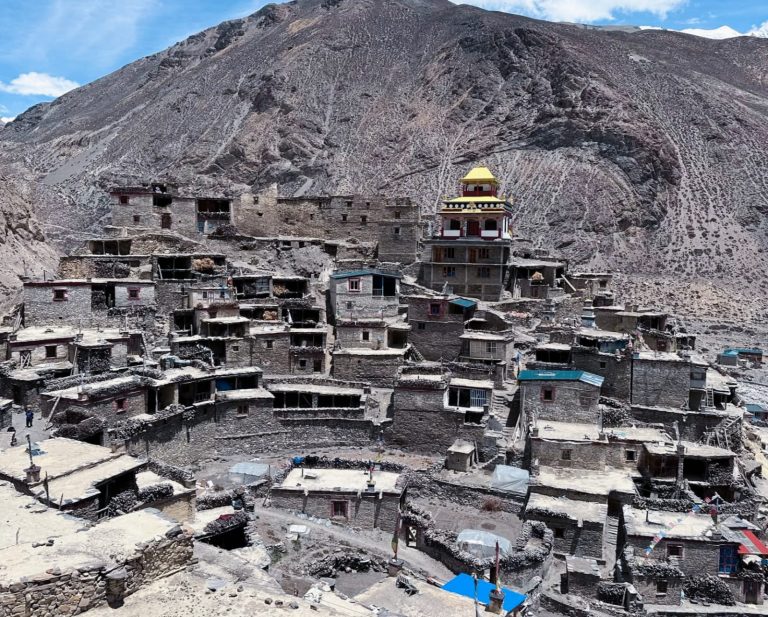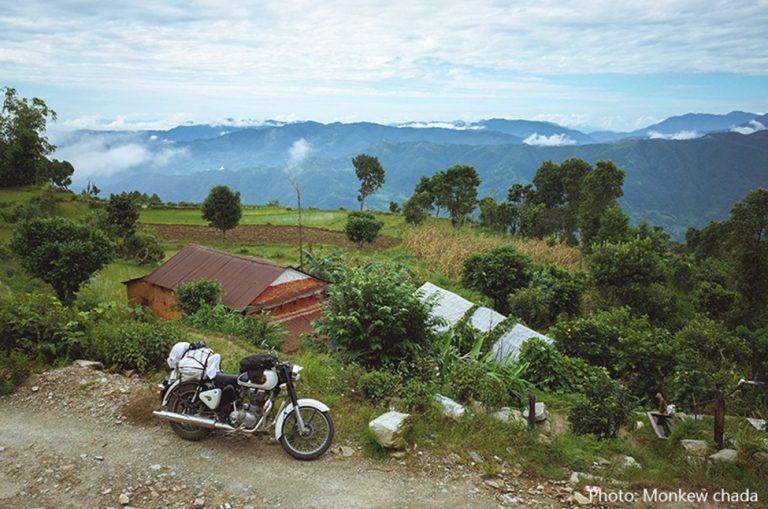



Tsum Valley Trek
US $$1,099

If you want genuine Everest-region scenery without committing two weeks to Everest Base Camp, Pikey Peak is the trek built for exactly that. Over seven days, you’ll walk from Phaplu through Sherpa villages, rhododendron and pine forest, and past Thupten Chholing Monastery, then climb to the 4,065m summit at sunrise— a viewpoint Sir Edmund Hillary is widely reported to have called his favorite view of Everest anywhere in the region. It’s a shorter, quieter way to experience the Everest region, with real Sherpa culture built into the route rather than squeezed in around the edges.
| Trip Fact | Details |
|---|---|
| Trip Duration | 7 Days |
| Trek Duration | 5 Days |
| Region | Lower Everest / Solukhumbu |
| Maximum Altitude | 4,065m (Pikey Peak) |
| Trek Difficulty | Moderate (confirm classification internally) |
| Trek Type | Cultural and scenic trek |
| Starting Point | Phaplu |
| Ending Point | Phaplu |
| Accommodation | Teahouses and lodges throughout |
| Meals | Breakfast, lunch, and dinner during the trek |
| Best Season | Spring and autumn |
| Guide | Included |
| Porter | Included |
| Transportation | Road transfer, Kathmandu-Phaplu-Kathmandu |
Himalayan Sunrise Reach Pikey Peak early enough to catch sunrise over the Himalayan panorama, weather permitting — widely considered one of the best sunrise viewpoints in the Everest region.
Everest-Region Views On clear days, the summit looks out over Everest, Lhotse, Makalu, and Kanchenjunga north base camp, along with Numbur and Gaurishankar closer by.
A Short Himalayan Adventure A 7-day itinerary makes this a genuinely realistic option for travelers who want a real Himalayan trek without a two-week commitment.
Sherpa Culture Traditional settlements, prayer flags, mani walls, and everyday mountain life run through the entire route, not just one or two villages.
Thupten Chholing Monastery A dedicated cultural stop at one of the most significant Buddhist monasteries in the lower Solukhumbu region.
Forest to Alpine Landscapes The trail shifts from rhododendron and pine forest lower down to open alpine terrain as you gain elevation toward the summit.
Pikey Peak Trek is a strong fit for travelers who:
Consider another trek if you:
This route runs through the Gaurishankar Conservation Area, so you’ll need a Gaurishankar Conservation Area Permit (GCAP), along with a TIMS card. Depending on the exact route variation, a small local area permit may also apply. Exact fees are set by current government rate and confirmed by your operator at the time of booking — permit costs for this trek are relatively low compared to restricted-area treks elsewhere in Nepal.
You’ll stay in teahouses and lodges throughout the trip, including in Phaplu on both the first and last nights, not just during the trekking days in between. Standard rooms are simple but comfortable, and larger stops like Junbesi and Phaplu generally offer a better standard of room than the smaller villages along the way.
Day 1: Drive from Kathmandu to Phaplu (approx. 2,400m) — 8-10 hrs
Day 2: Trek from Phaplu to Ringmo (approx. 2,800m) — 5-6 hrs
Day 3: Trek from Ringmo to Junbesi (approx. 2,700m) — 5-6 hrs
Day 4: Trek from Junbesi to Jase Bhanjyang (approx. 3,500m), via Thupten Chholing Monastery — 5-7 hrs
Day 5: Sunrise hike to Pikey Peak (4,065m), trek to Loding (approx. 2,800m) — 5-7 hrs
Day 6: Trek from Loding to Phaplu (approx. 2,400m) — 5-7 hrs
Day 7: Drive from Phaplu to Kathmandu — 8-10 hrs
Day 1: Kathmandu to Phaplu (approx. 2,400m)
8-10 hrs drive The drive out of Kathmandu follows scenic mountain roads through the hills and countryside of central and eastern Nepal, with rivers, terraced farmland, forest, and traditional villages along the way. After checking into your teahouse in Phaplu, your guide runs through a short briefing on the route ahead and what to expect over the next few days. Accommodation: teahouse | Meals: B, L, D
Day 2: Phaplu to Ringmo (approx. 2,800m)
5-6 hrs trek The first proper trekking day, climbing gradually through forest, small mountain settlements, and terraced farmland. As the trail moves deeper into Solukhumbu, traditional houses, prayer flags, and mani walls become a regular presence, with the pace of local life noticeably slower than the road journey the day before. Ringmo itself, known for its apple orchards, is a good first overnight stop. Accommodation: teahouse | Meals: B, L, D
Day 3: Ringmo to Junbesi (approx. 2,700m)
5-6 hrs trek The trail continues through forest and mountain settlements to Junbesi, one of the most important Sherpa villages in the region and a genuine cultural hub for Solukhumbu's Buddhist heritage. Expect good early views of Numbur and other nearby peaks along the way. Accommodation: teahouse | Meals: B, L, D
Day 4: Junbesi to Jase Bhanjyang, via Thupten Chholing Monastery (approx. 3,500m)
5-7 hrs trek Before climbing toward the higher trail, you'll make a dedicated side trip to Thupten Chholing Monastery, one of the most significant Buddhist monasteries in the lower Solukhumbu region and a genuine window into the area's spiritual and cultural life. From there, the trail climbs steadily through forest into more open, alpine terrain, with mountain views building as you gain height toward Jase Bhanjyang, your overnight stop and the launch point for tomorrow's summit push. Accommodation: teahouse | Meals: B, L, D
Day 5: Sunrise Hike to Pikey Peak (4,065m) and Trek to Loding
5-7 hrs trek The main event. You'll wake well before dawn and begin the climb toward Pikey Peak, the trail opening into wide mountain scenery as the sky starts to brighten. Reaching the summit at 4,065m, you'll have time to take in a genuinely wide Himalayan panorama and, weather permitting, watch the sunrise light up Everest, Lhotse, Makalu, Kanchenjunga, Numbur, and Gaurishankar in turn. After breakfast and time at the top, you'll descend through open mountain terrain and forest to Loding for the night. Accommodation: teahouse | Meals: B, L, D
Day 6: Loding to Phaplu (approx. 2,400m)
5-7 hrs trek The final trekking day, descending steadily through forest, mountain settlements, and farmland. As you lose elevation, the landscape turns noticeably greener, shifting from alpine terrain back toward the lower mountain environment you started in. Reaching Phaplu marks the end of the trekking section of the trip. Accommodation: teahouse | Meals: B, L, D
Day 7: Phaplu to Kathmandu
8-10 hrs drive A scenic drive back through forest, villages, terraced hillsides, and riverside landscapes, gradually leaving the Himalayan region behind as you return to the Kathmandu Valley. Accommodation: none included | Meals: B
Moderate. There's no technical climbing, and the trail is well-established throughout, but daily walking runs 5-7 hours with real elevation gain, particularly on Day 4 and the Day 5 summit push.
No, though reasonable fitness matters. This trek is often recommended as a good introduction to Himalayan trekking for people who haven't done one before.
Only on clear days. Mountain visibility depends on weather, so it's never guaranteed on a single fixed date, though spring and autumn generally offer the best odds.
A Gaurishankar Conservation Area Permit (GCAP) and a TIMS card, both arranged as part of your booking.
It's a genuinely different trip, not a direct substitute — you get real Everest-region views and Sherpa culture in a fraction of the time, but you won't stand at Base Camp itself. If reaching Base Camp is the specific goal, this isn't that trek.
Teahouses and lodges throughout, including in Phaplu on the first and last nights. Rooms are simple, with the more comfortable options generally found in larger stops like Junbesi and Phaplu.
Spring (March-May) and autumn (September-November), for the clearest mountain visibility and the most stable trail conditions.