


Tsum Valley Trek
US $$1,099

One of the least-visited high-altitude destinations within easy road reach of the capital. It’s a walk to five sacred lakes sitting at 4,100 meters, through forest, high ridges, and remote hill villages — and you can reach it without ever booking a domestic flight. Tucked into the Sindhupalchok district northeast of Kathmandu, at the base of the Jugal Himal, this is one of the least-visited high-altitude destinations within easy road reach of the capital, and it’s sacred ground for both Hindus and Buddhists, not just a scenic viewpoint.
This 8-day itinerary with Snow Bank Adventure takes you in on foot from the Kathmandu Valley side, through Kami Kharka, Pauwa Bas, Hile Bhanjyang, and Nasim Pati, up to the lakes themselves, and back out again — a shorter, road-accessible alternative to Nepal’s bigger-name treks, for people who want real solitude without the logistics of flying into a mountain airstrip.
“Panch Pokhari” simply means five lakes, and that’s exactly what you’ll find at the top of this trek: five glacial ponds sitting together at 4,100 meters, in the shadow of the Jugal Himal.The lakes hold deep religious significance in Hindu and Buddhist traditions, and pilgrims travel here especially during the annual Janai Purnima festival. Prayer flags line the ridge above the lakes, and small pilgrim shelters and a shrine to Shiva sit near the water.
Every August, during the full moon festival of Janai Purnima, hundreds of pilgrims — many of them Brahmin Hindus renewing their sacred thread (janai) — make the journey up to Panch Pokhari to bathe in the lakes and perform the ritual. Outside of that one packed week, the site sees very few visitors at all, which is part of what makes trekking here the rest of the year feel genuinely remote. Both Hindu and Buddhist pilgrims consider the lakes holy, and that dual significance is part of what sets Panch Pokhari apart from most other trekking destinations in this part of Nepal.
The trek changes character fast. You start among terraced fields and mixed forest — oak, pine, and rhododendron, which blooms in spring — and within a few days of steady climbing, that gives way to open ridgeline and alpine meadow. By the time you reach Nasim Pati, trees have largely disappeared, and the final approach to the lakes crosses bare, rocky, high-altitude terrain with the Jugal Himal filling the skyline ahead.
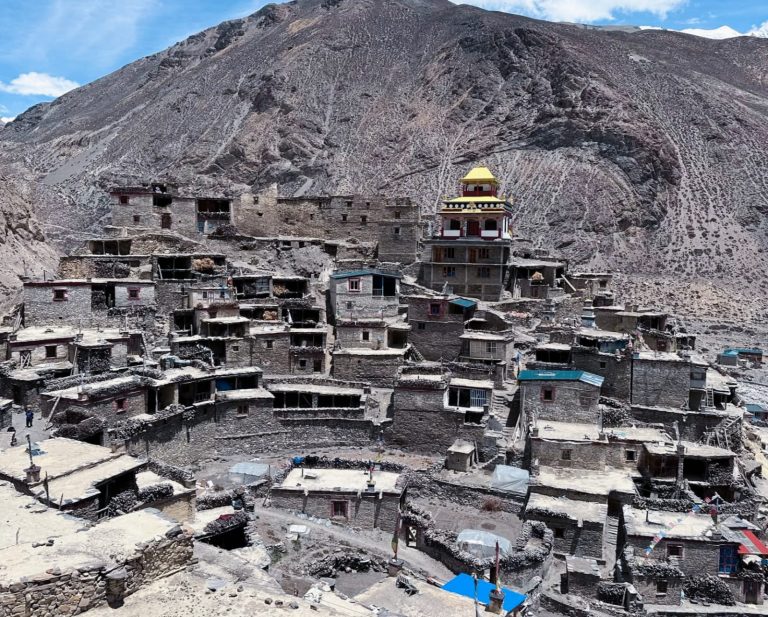
The lower and middle sections of the trail run through Sherpa and Tamang settlements where farming and livestock still shape daily life. Expect to pass terraced fields, grazing animals, and small stone and timber homes, with locals often happy to share tea or a few words if you stop to ask about the trail ahead. These villages get a fraction of the foot traffic that busier regions like Everest or Annapurna see, so the interactions tend to feel unscripted rather than tourist-oriented. If you’re deciding between Panch Pokhari and the Tamang Heritage Trail, Panch Pokhari is the better choice for sacred lakes and remote high-altitude landscapes, while Tamang Heritage places more emphasis on village life and community-based homestays.
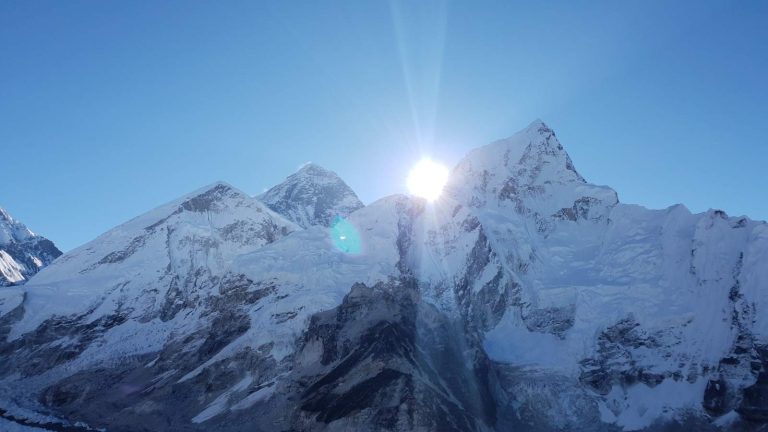
From the ridge above Panch Pokhari, the payoff is a wide mountain panorama centered on the Jugal Himal range. On a clear day you’ll see Dorje Lakpa (6,966m) and Phurbi Chhyachu (6,637m) directly ahead, with Madiya and, depending on conditions, glimpses of the wider Langtang himals and Rolwaling ranges further in the distance.
Lower trail: The day begins among terraced fields and forest, with village paths gradually giving way to quieter mountain trail as farmland thins out.
Higher trail: As you climb toward Nasim Pati, rhododendron and pine give way to open ridges and alpine pasture. The air gets noticeably colder and thinner, and the trail turns rockier underfoot.
Panch Pokhari: Reaching the lakes feels completely different from arriving at a conventional trekking destination. Prayer flags, bare mountain ridges, and five still lakes create a quiet, spare landscape that feels much more like a pilgrimage site than a tourist stop.
Evening near the lakes: Expect a very basic mountain environment — cold night temperatures, simple shelter, and, if the sky is clear, a genuinely spectacular night sky with almost no light pollution.
Moderate, with real altitude to respect:
Although Panch Pokhari doesn’t require technical climbing, reaching 4,100 meters means altitude should be taken seriously. This isn’t a trek where you can push hard and shrug off how you’re feeling — the ascent should be paced gradually, with steady hydration and close attention to any symptoms of altitude sickness, such as headache, nausea, or unusual fatigue. Tell your guide immediately if something feels off; they’re trained to recognize early symptoms and adjust the pace accordingly.
Accommodation on this route is more basic than on Nepal’s major trekking trails, and it varies by section and season. Lower down, in villages like Kami Kharka and Pauwa Bas, simple teahouse-style lodging is generally available. Higher up, and especially around Panch Pokhari itself, facilities thin out considerably — expect basic mountain shelters or tented camping rather than a guaranteed private room. We’ll confirm the exact accommodation plan for your dates when you book, since availability at altitude depends on season and can change year to year.
Spring (March–May) and autumn (September–November) are the recommended seasons, with clearer skies and the best chance of unobstructed mountain views. Winter (December–February) brings heavy snow near the lakes and colder, harder trekking conditions. Monsoon (June–September) brings regular rainfall and can make the trail slippery and harder to navigate, so it’s generally best avoided unless you’re specifically after an off-season, quieter experience and are prepared for the conditions.
Day 1: Drive from Kathmandu to the Simbu/Chautara area, trek to Kami Kharka — 5–6 hours
Day 2: Kami Kharka to Pauwa Bas — 5–6 hours
Day 3: Pauwa Bas to Hile Bhanjyang — 5–6 hours
Day 4: Hile Bhanjyang to Nasim Pati (Nosyampati) — 5–6 hours
Day 5: Nasim Pati to Panch Pokhari (4,100m) — 5–6 hours
Day 6: Explore Panch Pokhari, trek back toward Tuppi Danda/Ratmata — 6–7 hours
Day 7: Tuppi Danda/Ratmata to Dhap/Chhimti area — 5–6 hours
Day 8: Descend to Melamchi, drive back to Kathmandu — 5–6 hours
Day 1: Kathmandu to Kami Kharka — 5–6 hours
The trek starts with a drive out of Kathmandu toward the Sindhupalchok side of the valley, followed by your first stretch of walking up to Kami Kharka. Expect terraced farmland and forest trail as you leave the road behind — a gentle introduction before the climbing gets more serious over the next few days.
Day 2: Kami Kharka to Pauwa Bas — 5–6 hours
A steady climb through forest and small farming settlements. You'll pass through areas where Sherpa and Tamang communities work the land, and the trail starts to feel noticeably quieter than the first day.
Day 3: Pauwa Bas to Hile Bhanjyang — 5–6 hours
The trail keeps climbing, with oak and rhododendron forest thinning out as you gain altitude. This is a good day to notice how fast the landscape is changing compared to lower down.
Day 4: Hile Bhanjyang to Nasim Pati (Nosyampati) — 5–6 hours
Forest gives way to open ridgeline here, and the air gets noticeably colder. Nasim Pati sits close to the tree line, and from here the Jugal Himal starts to dominate the view ahead.
Day 5: Nasim Pati to Panch Pokhari (4,100m) — 5–6 hours
The big day. The trail crosses bare, rocky high terrain on the final approach to the lakes, with the Jugal Himal peaks filling the skyline. Reaching the five lakes after four days of steady climbing is a genuinely different feeling from arriving at a typical trekking viewpoint — quiet, remote, and marked by prayer flags rather than crowds.
Day 6: Explore Panch Pokhari, trek back toward Tuppi Danda/Ratmata — 6–7 hours
A slower morning to properly take in the lakes and the short hike up to the ridge viewpoint above them, weather permitting, before starting the return journey in the afternoon.
Day 7: Tuppi Danda/Ratmata to Dhap/Chhimti area — 5–6 hours
Continuing the descent, retracing the general route back down through forest and village terrain, with altitude and temperature both climbing back to more comfortable levels.
Day 8: Descend to Melamchi, drive back to Kathmandu — 5–6 hours
A final descent to the roadhead at Melamchi, followed by the drive back to Kathmandu. Most groups treat the evening back in the city as a chance to properly rest after a physically demanding week.
The Panch Pokhari Trek is generally considered a moderate trek. It involves several consecutive days of uphill walking, forest trails, ridges, and high-altitude terrain. The highest point is around 4,100m, so reasonable fitness and preparation are recommended.
The Panch Pokhari lakes are located at approximately 4,100 meters (13,451 feet) above sea level.
Panch Pokhari literally means "Five Lakes." The name refers to the five sacred lakes located together in the highlands of Sindhupalchok.
Yes. Panch Pokhari is a sacred pilgrimage site for both Hindu and Buddhist communities. Pilgrims particularly visit the lakes during the Janai Purnima festival.
Depending on weather and visibility, the trek offers views of the Jugal Himal range, including Dorje Lakpa, Phurbi Chhyachu, and Madiya, along with wider Himalayan views from the high ridges.
The best seasons are generally spring (March–May) and autumn (September–November). These periods usually provide more stable weather and clearer mountain views.
The Panch Pokhari route includes remote sections where camping may be required, particularly around the higher parts of the trek. Accommodation arrangements depend on the specific itinerary and current trail facilities.
It can be suitable for reasonably fit first-time trekkers, provided they are prepared for long walking days and significant altitude gain. It is not an easy short hike, particularly because the route reaches around 4,100m.
The Snow Bank Adventure itinerary is designed as an 8-day trek, including the approach to Panch Pokhari and the return journey to Kathmandu.
Compared with Nepal's major trekking routes such as Everest and Annapurna, Panch Pokhari is generally much quieter and offers a more remote trekking experience.
Yes. The lower and middle sections pass through forest habitats containing species associated with Nepal's Himalayan forests. Wildlife sightings are never guaranteed, but the forest environment adds to the trek's natural appeal.
Pack comfortable trekking shoes, warm layers, waterproof clothing, a sleeping bag if camping, sun protection, a water bottle, basic first-aid supplies, and personal medication. Your guide or trekking operator can provide a more specific packing list based on the season and accommodation arrangement.
Yes. Unlike many high-altitude Himalayan treks, Panch Pokhari can be approached from the Kathmandu Valley by road, followed by the trekking section.
Panch Pokhari is a strong choice for travelers who want sacred Himalayan landscapes, remote villages, forest trails, high-altitude lakes, and fewer crowds without taking a domestic mountain flight.