
Everest Gokyo Lake Trek – 14 days

5.0 from 07 reviews
  • Accommodation Hotel in Kathmandu/Tea House during Trek
  • Duration 11
  • Trip Difficulty moderate to challenging
  • Activities Trekking
  • Best Time Spring and Autumn
  • Max. Elevation 5,357m(Gokiyo Ri)
  • Group Size Min-02 pax
  • Transportation Car & Flight
  • Start/End Lukla to Lukla

Overview

Not everyone who comes to the Everest region wants to stand shoulder-to-shoulder with hundreds of other trekkers at Base Camp. Some people are after something quieter — a trail with fewer crowds, more time to actually notice where they are, and a different kind of reward at the end. That’s what the Gokyo Valley offers. Over 14 days, you’ll walk beside glacial rivers, cross the world’s longest glacier outside the polar regions, and arrive at a string of turquoise lakes tucked into one of the calmest corners of the Khumbu — finishing with a summit view many trekkers rate above even Kala Patthar.

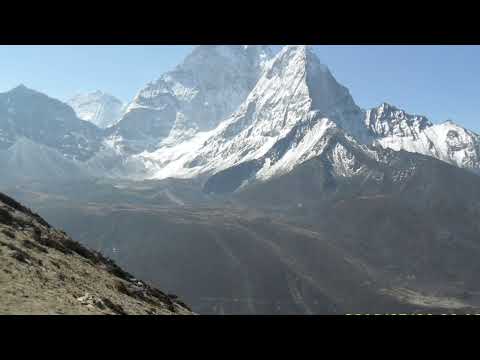
The trek follows the same start as every other Everest region route — a scenic flight from Kathmandu into Lukla, then up through Phakding to Namche Bazaar. From there, though, the trail splits off from the busy Base Camp route and heads into the quieter Gokyo Valley, passing through Phortse and Machhermo before reaching the shores of Gokyo Lake itself, with Cho Oyu, Kantega, and Thamserku rising above the valley the whole way.

Why Travelers Choose Gokyo Instead of Everest Base Camp

Not everyone comes to the Everest region to stand at Base Camp. Some come looking for quieter trails, fewer crowds, and time to properly take in the Himalayan landscape. The Gokyo Valley offers exactly that. Instead of following the busiest trekking route in Nepal, you’ll spend your days walking beside glacial rivers, crossing high alpine terrain, and arriving at the turquoise Gokyo Lakes, where the atmosphere feels genuinely calm — closer to untouched than anywhere on the main Base Camp trail.

The Best View Nobody Talks About

Ask most people which viewpoint in the Everest region is the best, and they’ll say Kala Patthar or the Everest View Hotel. Fair enough — those views are famous for a reason. But climb Gokyo Ri, and you’ll understand why a lot of experienced trekkers actually rate it higher. From the summit, you can see four of the world’s 8,000-meter peaks at once — Everest, Lhotse, Makalu, and Cho Oyu — along with the full length of the Ngozumpa Glacier stretched out below you. It’s one of the best mountain panoramas in Nepal, and comparatively few trekkers ever see it.

Why Choose This Trek?

  • Discover the quieter side of Everest. Leave the busy Base Camp trail behind and explore the peaceful Gokyo Valley, where fewer trekkers and serene landscapes create a more immersive Himalayan experience.
  • Witness the stunning Gokyo Lakes. Visit the world’s highest freshwater lake system, famous for its crystal-clear turquoise waters and breathtaking alpine surroundings.
  • Climb Gokyo Ri (5,357m). Enjoy one of Nepal’s finest panoramic viewpoints with spectacular views of Everest, Lhotse, Makalu, Cho Oyu, and the vast Ngozumpa Glacier.
  • Walk beside the Ngozumpa Glacier. Experience the Himalayas from a unique perspective while trekking alongside the longest glacier in Nepal.
  • Enjoy authentic Sherpa hospitality. Stay in traditional teahouses and experience the culture, traditions, and warm hospitality of the Khumbu region.
  • A slower, more peaceful adventure. Spend less time in crowded trekking corridors and more time appreciating nature, mountain villages, and Himalayan tranquility.
  • Perfectly paced itinerary. The route includes acclimatization time and gradual altitude gain, helping you enjoy the journey more comfortably.
  • Ideal alternative to Everest Base Camp. Experience world-class mountain scenery without following Nepal’s busiest trekking route.

Who Is This Trek Best For?

This trek is ideal for:

  • Travelers who prefer quieter trails and fewer crowds.
  • Nature lovers seeking peaceful mountain landscapes and glacial lakes.
  • Photographers looking for dramatic reflections, alpine scenery, and panoramic viewpoints.
  • Trekkers who want spectacular Everest views without trekking to Base Camp.
  • Couples searching for a slower, more scenic Himalayan adventure.
  • Repeat visitors to Nepal looking to explore a different side of the Everest region.
  • Adventurers who enjoy high-altitude trekking with a balance of challenge and comfort.

Why Gokyo Feels Different

Less crowded trails. You’ll share the path with a fraction of the foot traffic on the main Base Camp route.

More peaceful villages. Namche aside, the settlements along this route are smaller and quieter, without the built-up feel of the busier trail.

More time in nature. With fewer people around, the valley itself gets more of your attention.

Lakes instead of glaciers as the main event. The turquoise Gokyo Lakes offer a completely different kind of scenery from the ice and rock of the Base Camp route.

Reflection instead of achievement. This trek isn’t built around “reaching a point.” It’s built around slowing down enough to actually take the place in.

Why Many Trekkers Prefer Gokyo After They’ve Been to Everest Base Camp

Surprisingly, many trekkers who have completed both routes say Gokyo Valley stayed with them longer than Everest Base Camp. The quieter trails, crystal-clear lakes, and relaxed atmosphere create a very different kind of Himalayan experience. Rather than focusing on reaching one famous destination, Gokyo invites you to slow down and appreciate the landscape itself.

The Moment You’ll Never Forget

You arrive at Gokyo just before sunset. The wind finally settles, and the lake goes still. Snow-covered peaks reflect off the water while prayer flags flutter softly nearby. After days of walking, there’s genuinely nothing left to do but sit and take it in. For a lot of trekkers, this quiet moment — not the summit of Gokyo Ri, not even the lake itself — is what stays with them longest after the trip is over.

A Day in the Life

Wake early to the sound of wind against the teahouse walls and the first light catching the peaks outside your window. Eat breakfast slowly — there’s less pressure here to rush out the door than on the busier Base Camp trail. Spend the morning walking beside glacial rivers or along the edge of the Ngozumpa Glacier, watching the landscape shift from forest to bare alpine rock. Stop for lunch somewhere with a lake or a mountain view, then keep moving at whatever pace feels right. By evening, settle into a warm teahouse dining room, watch the light change over the peaks outside, and let the day sink in before sleep.

Why Gokyo Ri Is Worth Every Step

The climb to Gokyo Ri is steep and the air is thin, but almost nobody who makes it to the top says it wasn’t worth the effort. From the summit, you get:

  • Everest — visible alongside Lhotse and Makalu, a genuinely rare three-in-one view
  • Cho Oyu — the sixth-highest mountain in the world, rising directly above the Gokyo Valley
  • The Ngozumpa Glacier — the longest glacier in the Himalayas, laid out beneath you in full
  • All six Gokyo Lakes, or at least several of them, visible from different angles as you climb

Most people underestimate how much you can actually see from up there — it’s not just “another mountain view,” it’s arguably the single best panorama on this entire route.

The Gokyo Lakes

The Gokyo Lakes form the highest freshwater lake system in the world, six lakes in total, fed by meltwater from the surrounding glaciers. You’ll pass several on the way up: Longponga, the first and smallest, often frozen over in winter; Taboche Tsho, deeper and a more vivid blue, with Taboche and Cholatse peaks reflected in its surface; and finally Gokyo Lake itself (also called Dudh Pokhari), the largest and most important of the six, with Gokyo village sitting right on its shore beneath Cho Oyu. Trekkers with an extra day sometimes continue on to the fifth lake, Ngozumpa Tsho, near the glacier itself — quieter still, and rarely visited.

Trek Difficulty

This trek is moderate to challenging — no technical climbing, but real altitude and consistent daily walking. Most days run 4-6 hours, with the climb to Gokyo Ri being the most physically demanding single push.

Altitude. You’ll reach 4,800m at Gokyo and 5,357m at the summit of Gokyo Ri. An acclimatization day at Namche Bazaar is built in, and the gradual daily elevation gain through Phortse and Machhermo helps your body adjust before you get high.

Permits. You’ll need a Sagarmatha National Park entry permit and a local area permit, both arranged as part of your booking.

Best time to go. Spring (March-May) and autumn (September-November) offer the clearest skies and the best chance of calm water at the lakes for that classic reflection shot.

Some treks are about reaching a destination as fast as possible. This one is about slowing down enough to actually experience the Everest region — quieter trails, turquoise lakes, and a summit view that rivals anything on the busier route. If Everest Base Camp is the trek everyone talks about, Gokyo is the one people quietly say they loved more.

Outline Itinerary

Day 1: Arrival in Kathmandu (1,400m)

Day 2: Kathmandu sightseeing Day 3: Fly to Lukla, trek to Phakding (2,651m) — 8km, 3-4 hrs

Day 4: Trek from Phakding to Namche Bazaar (3,440m) — 11km, 5-6 hrs

Day 5: Acclimatization day in Namche Bazaar (3,440m)

Day 6: Trek from Namche Bazaar to Phortse (3,810m) — 5-6 hrs

Day 7: Trek from Phortse to Machhermo (4,470m) — 5-6 hrs

Day 8: Trek from Machhermo to Gokyo (4,800m) — 5-6 hrs

Day 9: Climb Gokyo Ri (5,357m), optional hike to the fifth lake — 5-6 hrs

Day 10: Trek from Gokyo to Dole — 3-4 hrs

Day 11: Trek from Dole to Namche Bazaar — 4-5 hrs

Day 12: Trek from Namche Bazaar to Lukla (2,860m) — 19km, 6-7 hrs

Day 13: Fly back to Kathmandu Day

14: Final departure
Detailed Itinerary

After arriving in Kathmandu, a delegate from Snow Bank Adventure will pick you up and take you to your hotel. At night, there will be an appreciated supper hosted by Snow Bank Adventure.
  • Accommodation: Overnight at Star Hotel
  • Meals: D
After breakfast, we start our voyage through four astonishing UNESCO World Heritage Sites. These incorporate the compositionally rich Durbar Square, the hallowed Hindu sanctuary of Pashupati Nath, the fascinating 'Monkey Temple' (Swayambunath), and Bauddha Nath Stupa which is probably the most enthralling stupa on the planet.
  • Accommodation: Overnight at hotel
  • Meals: B
During the flight from Kathmandu to Lukla (2,800m/9,186ft), we appreciate one of the most wonderful air courses on the planet coming full circle on a slope encompassed by high precipitous pinnacles. From Lukla, we begin trekking. At one hour's slow plummet, we will be at a Cheplung town from where we have a look at Mt. Khumbila (5,760m/18900ft), a consecrated mountain that has never been ascended. From Cheplung, we at that point step by step plunge until we reach Phakding and go through the night.
  • Accommodation: Overnight at teahouse
  • Meals: B L D
Strolling through wonderful pine backwoods, we pursue the trail north up the valley of Benkar. At that point, we cross the Dudh Koshi River and continue passing Chumoa to Monjo, the passageway to Everest National Park. At that point crossing a suspension bridge, we pass Jorsale town and stroll nearby of the Dudh Koshi and Bhote Koshi streams. A lofty climb carries us to the prime place - Namche Bazaar.
  • Accommodation: Overnight at teahouse
  • Meals: B L D
There are a lot of activities around Namche Bazaar, and we can go through multi-day here acclimatizing. Namche Bazzar is the fundamental focus of the Khumbu locale and has government workplaces, ATMs, Internet bistros, shops, eateries, and a brilliant market. Our aides can take us to investigate the genuine appeal of Namche Bazaar. Climbing to Sagarmatha National Park rewards trekkers with perspectives of Mount Everest, Lhotse, Nuptse, Ama Dablam, Thamserku, Kongde, etc.
  • Accommodation: Overnight at teahouse
  • Meals: B L D
We leave Namche Bazaar on a trail with steady high points and low points. In transit, we are probably going to spot Himalayan birds, musk deer, and Himalayan Thars. We at that point start sliding to Kyanjuma. From Sansa, we pursue the Gokyo trails and from Mong, we get a look at Ama Dablam, Thamserku, Tawoche, and Khumbila mountains. Our trail slips to Dudhkoshi Khola after which it is a tough move through rhododendron woodlands before coming to Phorse. From here we get great perspectives on Tawache and Cholaste mountains.
  • Accommodation: Overnight at teahouse
  • Meals: B L D
Subsequent to traversing the Dudh Koshi River, we are probably going to encounter neighborhood natural life-like fowls, mountain goats, and musk deer. Our trail goes through backwoods, cascades, and scaffolds before achieving Dole. We get on an unfaltering trail through a beautiful edge with perspectives on Cho Oyu, Kantega, and Thamserku mountains. We keep strolling through little towns and sandy trails before coming to Machhermo. We can visit the Himalayan Rescue Hospital for an address concerning elevation disorder, its safety measures, and essential treatment.
  • Accommodation: Overnight at teahouse
  • Meals: B L D
We rise on a slope and appreciate perspectives on the Dudh Koshi valley and Kangtega, Thamserku, and Cho-Oyu mountains. Past the edge, the valley augments as the trail goes through a Chorten and spans Phangga. We plunge to the waterway bank before moving up to the terminal moraine of the Ngozamba Glacier on a precarious trail. We go through Longpongo, Raboche Tsho, and Dudh Pokhari before coming to Gokyo. On the trail by the main lake, we see what is accepted to be the impressions of a Lama (Buddhist minister). We investigate Dudh Pokhari before considering it a night.
  • Accommodation: Overnight at teahouse
  • Meals: B L D
We go through one more day in Gokyo to adjust to the high height. On the off chance that the climate is great, we climb Gokyo Ri today. From the highest point of Gokyo Ri, we appreciate the Himalayan vista and the quiet Gokyo lakes. We likewise climb to the fourth and the fifth Gokyo lakes. The fourth lake is just about 3km north of Gokyo. It is set apart by high bluffs and Himalayan pinnacles transcending it. We keep on strolling somewhat further and achieve the fifth lake. A move up an adjacent slope will promise us momentous perspectives on Cho-Oyu, Gyachung Kang, Everest, Lhotse, Nuptse, and Makulu. We can see significantly more from here - the spot is called Scoundrel's Viewpoint. From the northern piece of the fifth lake, we see the Cho Oyu base camp and Ngazumpa Glacier which is the greatest ice sheet in the world. We stroll back to Gokyo to go through the night.
  • Accommodation: Overnight at teahouse
  • Meals: B L D
We plummet on a trail along the Dudh Koshi River and pass the first Gokyo lakes. In transit we likewise appreciate perspectives on the Cholatse and Taboche crests. Our trail plunges before climbing a slope. In the wake of coming to the Chorten at the edge, we see extraordinary perspectives on Thamserku, Cho Oyu, and Kangtega mountains before achieving Dole.
  • Accommodation: Overnight at teahouse
  • Meals: B L D
We dive on a lofty trail to Phortse Thanga respecting rhododendrons, wildflowers, and cascades. We likewise go over mountain goats, musk deer, birds, and so on. From Mong, we can appreciate a decent perspective on the Khumbila top. On our approach to Namche the perspective on Taboche, Ama Dablam, Thamserku, and Kangtega mountains are our own to appreciate. Subsequent to strolling for some time, we achieve a crossing point where the trail from Sanasa meets our trail. We stroll on a trail that sticks to a forested incline past Kyangjuma, twisting through a few curves. In the wake of coming to Namche armed force camp slope, we think back to see Lhotse, the tip of Everest, and Tengboche for one final time. About a kilometer from here is Namche Bazaar.
  • Accommodation: Overnight at teahouse
  • Meals: B L D
The trail drops steeply descending so we have to walk carefully as our unstable legs constantly fight the rough territory. In the wake of traverse the quick streaming Dudh Koshi and its tributaries, the trail turns out to be progressively level and common. After our landing in Lukla, we extend those sore legs and review the encounters of the most recent few weeks.
  • Accommodation: Overnight at teahouse
  • Meals: B L D
We fly to Kathmandu early in the morning. In the wake of landing in Kathmandu, we will be accompanied to our inn. We appreciate the day relaxed or make up for lost time with some very late shopping or investigating any tourist spots we missed during our first day in Kathmandu. To commemorate the fruitful culmination of our voyage, we will have a goodbye supper at night.
  • Accommodation: Overnight at star hotel
  • Meals: B D
Our adventure in Nepal is coming to an end today! A Snow Bank Adventure delegate will drop you off at the air terminal roughly 3 hours before your booked flight. On our approach to home, you will have a lot of time to design your next experience in the magnificent nation of Nepal.
  • Accommodation:
  • Meals: B

Includes & Excludes

Includes

  • Airport Transportation
  •  Farewell dinner
  • Kathmandu sightseeing by private vehicle
  • Professional government - registered tourist guide
  • Accommodation 3 nights in Kathmandu with Bed and breakfast
  • Kathmandu to Lukla by domestic flight
  • Lukla to Kathmandu by domestic flight
  • Transportation from the starting  and ending point of trekking by private vehicle
  • Three meals and tea, coffee during the trek
  • Safe drinking water( treated with chlorine and iodine)
  • Permit of the trek(TIMS, Conservation, and National park fee)
  • All types of necessary government  paperwork and government taxes
  • Guide and Porter(meals, wages, Insurance & transpiration )
  • An English speaking  government registered trekking guide
  • Trekking equipment like a raincoat, sleeping bag, down jacket, and walking pole

Excludes

  • Personal expenses
  •  Personal & medical insurance
  •  Rescue evacuation by Helicopter in Emergency case
  • Beverage and Bar bills( soft drinks, hard drinks, and mineral water)
  • Boiled water
  •  Lunch & Dinner in Kathmandu except for welcome and  farewell dinner
  • Electronic devise recharge
  • Wi-fi during the trek
  • Tips for Guide and Porter

Trek Video

Trip video preview

Packing List

  • Duffel Bag ( 25 kg): Provided by Snow Bank Adventure and carried by porters from Lukla to Gorakshep, used for all non daytime gear and built to handle rain, snow and suspension bridge crossing.
  • Daypack (25- 30 L) with Rain Cover: Essential for daily trekking between Villages such as Namche, Dingboche, and Lobuche; carries water, Layers bag, documents and personal use items.
  • Sleeping Bag ( -20°C): supplied by Snow Bank Adventure Team and required for unheated tea houses above Dingboche, where nighttime temperatures regularly drop below freezing.
  • Down Jacket (-20°C): Mandatory for morning and evening above 4000m and for the pre-dawn ascent to Kala Patthar.
  • Water Bottles (2L total) or Hydration Reservoir: Bottles are more reliable above Lobuche, where hydration hoses frequently freeze during cold seasons.
  • Headlamp + Spare Batteries: Needed for early starts to Kala Patthar, Lodge power cuts, and nighttime movement in Gorakshep and Lobuche.
  • Universal Travel Adapter ( Type C/D/M): Charging is limited and often solar- powered above Namche; Multi-USB adapters save time and cost.
  • Dry Bags / Zip locks: Critical for protecting electronics, clothing, and documents from snow, dust and sudden weather changes in the Khumbu.

FAQs

The trek is considered moderate to challenging. You'll walk around 4–6 hours most days, with the climb to Gokyo Ri being the most demanding section due to the altitude.

The highest point is Gokyo Ri (5,357m / 17,575ft), while Gokyo Village sits at 4,800m.

Both treks involve similar altitude challenges, but the Gokyo Trek is generally quieter and has slightly shorter daily walking distances. Many trekkers find it a more relaxed experience.

No. Previous trekking experience is helpful but not essential. Anyone with good physical fitness and preparation can complete this trek.

The Gokyo Lake system consists of six glacial lakes. Most itineraries visit the main lakes around Gokyo Village, with an optional hike to the fifth lake for even more spectacular views.

You'll need the Sagarmatha National Park Entry Permit and the Khumbu Pasang Lhamu Rural Municipality Permit. These are usually arranged by your trekking company.

Spring (March-May) and autumn (September-November) offer the clearest mountain views, stable weather, and the best conditions for trekking.

Yes. Although the route avoids Everest Base Camp, it still reaches over 5,300m, so proper acclimatization, hydration, and a steady pace are important.

Yes. Many trekkers combine the Gokyo Valley with Cho La Pass to create the classic Everest Base Camp and Gokyo Circuit.

The Gokyo Trek focuses on peaceful trails, stunning glacial lakes, panoramic viewpoints, and fewer crowds, while the Everest Base Camp Trek focuses on reaching the famous base camp beneath Mount Everest.