
Annapurna Base Camp Short Trek – 6 days
-
Accommodation Teahouse during the trek
-
Duration 06
-
Trip Difficulty Moderate to Challenging
-
Activities Trekking, Village Exploration & Mountain Viewing
-
Best Time pring (March–May) & Autumn (September–November)
-
Max. Elevation Annapurna Base Camp (4,130m / 13,550ft)
-
Group Size Min-02 pax
-
Transportation Car/Jeep
-
Meals Breakfast, Lunch & Dinner (BLD)During Trek
-
Start/End Pokhara to Pokhara
Overview
Reach Annapurna Base Camp (4,130m) in just six days — one of the fastest ways to stand at the foot of the Annapurna Sanctuary without giving up a full two weeks of your trip. This route skips the longer approach used on the standard 12-15 day ABC trek, but still takes you through traditional Gurung villages, rhododendron forest, Machhapuchhre Base Camp, and the same dramatic mountain amphitheater at the end.
The trek starts and ends in Pokhara. A short drive gets you to Dhampus Phedi, where the walking begins — through Dhampus and Pothana, both green, forested stretches with early views of Machhapuchhre (Fishtail) and Dhaulagiri. From there the trail drops through the Gurung village of Landruk, crosses the Modi Khola and Kimrong Khola on suspension bridges, and climbs steadily through Chhomrong, Sinuwa, Bamboo, Dovan, Himalaya, and Deurali before the final push to Machhapuchhre Base Camp and Annapurna Base Camp itself.
Because this itinerary compresses what’s normally a two-week trek into six days, it moves fast — there are no dedicated acclimatization days, and Day 4 alone gains close to 1,300 meters. That makes it a good fit for fit, time-limited trekkers, but not the right choice for everyone. More on that below.
Why Choose This Tour?
- Complete ABC in just 6 days — one of the fastest ways to reach Annapurna Base Camp and back.
- Starts and ends in Pokhara — no long approach drives or extra transit days.
- Perfect for limited holidays — built for people who want the full ABC experience without taking two weeks off.
- Sunrise at Annapurna Base Camp — the same iconic mountain panorama as the longer itineraries.
- Traditional Gurung villages — including Landruk and Chhomrong, both built into the hillsides of the Annapurna foothills.
- Teahouse accommodation — you’ll sleep in local lodges every night, with hot meals available at each stop.
- Hot springs at Jhinu Danda — a natural way to ease sore legs, though on this itinerary you’ll pass through rather than overnight there.
- No technical climbing — the whole route is a walking trail; no ropes, crampons, or climbing experience required.
Who Is This Trek Best For?
This itinerary works well for:
- Fit beginners who are new to trekking but comfortable with several consecutive days of hard walking.
- Travelers with only one week in Nepal, since this trek (plus a day either side for travel) fits comfortably into a short trip.
- Adventure seekers looking to reach Annapurna Base Camp without committing to a longer itinerary.
- Photographers, since the compressed schedule still hits the same sunrise-at-ABC moment as the longer treks.
- Couples looking for a shared physical challenge with a big payoff at the end.
- Solo trekkers who want a faster-paced, more intense version of the classic ABC experience.
Is the 6-Day ABC Trek Right for You?
Choose this trek if you:
- Have only about a week available in Nepal.
- Are physically fit and comfortable walking 6-8 hours a day, several days in a row.
- Want to reach Annapurna Base Camp without extra sightseeing or rest days built in.
- Prefer a faster-paced trek over a more relaxed one.
If you’d rather trek at a slower pace with more time for acclimatization, our 10-day or 12-day Annapurna Base Camp Trek may be a better choice — both cover the same destination with a gentler daily pace and built-in acclimatization days, which lowers the risk of altitude sickness.
Why Book With Snow Bank?
- Experienced local guides who know this route and its conditions well.
- A government-licensed company, so your permits and paperwork are handled properly.
- Flexible itineraries — happy to adjust the pace if you’d rather add a day or two.
- Small groups, for a more personal experience on the trail.
- 24/7 support throughout your trip, not just during office hours.
- Transparent pricing, with no hidden costs added once you’re on the trail.
Good to Know Before You Go
Altitude risk. Because this itinerary has no dedicated acclimatization days, and Day 4 gains roughly 1,300 meters in one push, there’s a real chance of mild altitude symptoms like headache or fatigue. Walk at a steady pace, drink plenty of water, and tell your guide if you’re not feeling right.
Permits. You’ll need an Annapurna Conservation Area Permit (ACAP) and a licensed guide, both arranged as part of your booking.
Best time to go. Spring (March-May) and autumn (September-November) offer the clearest skies and most reliable mountain views.
Outline Itinerary
Day 1: Pokhara to Dhampus Phedi (1,130m), Pothana (1,990m), Landruk (1,620m) — 25 min drive, 6-7 hrs trek
Day 2: Landruk to Jhinu Danda (1,780m), Chhomrong (2,210m) — 5-6 hrs trek
Day 3: Chhomrong to Himalaya (2,840m) — 6-7 hrs trek
Day 4: Himalaya to Machhapuchhre Base Camp (3,700m), Annapurna Base Camp (4,130m) — 6-7 hrs trek
Day 5: Annapurna Base Camp to Sinuwa (2,340m) — 7-8 hrs trek
Day 6: Sinuwa to Ghandruk Phedi (1,280m), Nayapul (1,070m), Pokhara (827m) — 5-6 hrs trek, 2-3 hrs drive
Detailed Itinerary
Day 1: Pokhara to Dhampus Phedi (1,130m) to Pothana (1,990m) to Landruk (1,620m)
25 min drive, 6-7 hrs trek A short drive from Pokhara gets you to Dhampus Phedi, where the trek begins. The trail climbs through Dhampus and on to Pothana, with early views of Machhapuchhre and Dhaulagiri opening up through the pine forest. After lunch, you'll descend through green hillsides into Landruk, a Gurung village that makes a good first night on the trail.
Day 2: Landruk to Jhinu Danda (1,780m) to Chhomrong (2,210m)
5-6 hrs The trail crosses the Modi Khola and Kimrong Khola on high suspension bridges before climbing into Chhomrong, a Gurung village built into the hillside at the edge of the Annapurna Sanctuary. You'll pass through Jhinu Danda along the way, though this itinerary doesn't stop overnight for the hot springs.
Day 3: Chhomrong to Himalaya (2,840m) — 6-7 hrs A long day through Sinuwa, Bamboo, and Dovan, with the forest changing character as you steadily gain altitude. The terrain gets noticeably wilder and quieter the further you go.
Day 4: Himalaya to Machhapuchhre Base Camp (3,700m) to Annapurna Base Camp (4,130m)
6-7 hrs The big day. You'll climb through Deurali and on to Machhapuchhre Base Camp, then continue the final stretch into the Annapurna Sanctuary itself, with Annapurna's south face rising almost straight ahead. This is the most demanding day of the trek — pace yourself and take it slow.
Day 5: Annapurna Base Camp to Sinuwa (2,340m)
7-8 hrs After taking in the sunrise at ABC, it's a long descent retracing your steps back down through Deurali, Himalaya, and Bamboo to Sinuwa. It's all downhill, but it's a genuinely long day.
Day 6: Sinuwa to Ghandruk Phedi (1,280m) to Nayapul (1,070m) to Pokhara (827m)
5-6 hrs trek, 2-3 hrs drive The last trekking day brings you down through Ghandruk Phedi to Nayapul, where a vehicle picks you up for the drive back to Pokhara — closing out the trek.
Note: this is a fast-paced itinerary with significant elevation gain and no built-in rest days. If you'd prefer a gentler pace, ask about our 10-day or 12-day Annapurna Base Camp Trek instead.
Includes & Excludes
Includes
- Transportation from the starting and ending point of trekking by private vehicle
- Sharing jeep from Ghandruk Phedi to Naya Pul.
- Three meals and tea, coffee during the trek
- Safe drinking water( treated with chlorine and iodine)
- Permit of the trek(TIMS, Conservation, and National park fee)
- All types of necessary government paperwork and government taxes
- Guide and Porter(meals, wages, Insurance & transpiration )
- An English speaking government registered guide and porter
- Trekking equipment like a raincoat, sleeping bag, down jacket, and walking pole
Excludes
- Personal expenses
- Personal & medical insurance
- Rescue evacuation by Helicopter in Emergency case
- Beverage and Bar bills( soft drinks, hard drinks, and mineral water)
- Boiled water
- Lunch & Dinner in Kathmandu except for welcome and farewell dinner
- Electronic devise recharge
- Wi-fi during the trek
- Tips for Guide and Porter
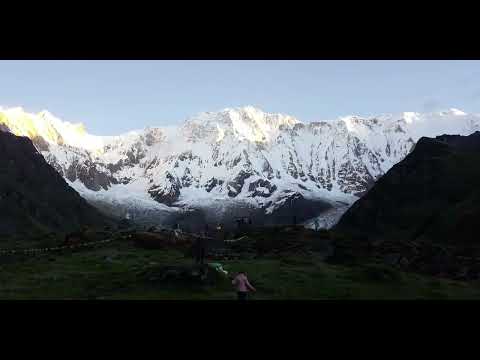
Trek Video
Packing List
- Duffel Bag ( 25 kg): Provided during the briefing in Kathmandu. It is durable and waterproof and porters will carry it throughout the trek.
- Daypack with Rain Cover ( 25-30L): Choose one with good back support and adjustable straps. It should hold your daily essentials like a Jackets, water, snacks, sunscreen, gloves, a camera, and important documents.
- Sleeping Bag ( -10°C to -15°C): A high - quality sleeping bag is included at no extra cost. Suitable for colder places like Deurali, MBC, and ABC.
- Down Jacket ( -10°C to -15°C): Supplied by us. It is warm, insulated, and comes with a hood- perfect for chilly morning and evening.
- Trekking Poles: Helpful for maintain balance, and reducing strain on joints, especially on steep trails like ulleri, chomrong, and the descent to jhinu Danda.
- Water Bottle ( 1-2L): Can be refilled daily. We suggest using a Nalgene bottle or a 2-3l hydration bladder with a tube for convenience.
- Headlamp + Spare Batteries: Necessary for early starts, Power outages and pre-dawn hikes
- Travel Adapter ( Type C,D,M): Nepal uses different plug types so a universal adapter with USB ports is recommended.
- Dry Bags / Zip Locks (3-4): Use to protect clothes, electronics, and toiletries from moisture. Large Plastic bags also work well in wet seasons.
TripAdvisor Reviews
FAQs
Yes, but good physical fitness is recommended. The shorter itinerary includes longer trekking days and faster elevation gain than standard 10–12 day ABC treks.
This itinerary is designed for travelers with limited time. It starts and ends in Pokhara and minimizes extra travel days while still reaching Annapurna Base Camp.
The highest point is Annapurna Base Camp (4,130m). Although the trek is shorter, trekkers should walk at a steady pace, stay hydrated, and immediately inform their guide if symptoms develop.
Expect several days of 6–8 hours of walking, particularly on the ascent to Annapurna Base Camp and the return descent.
Yes. You'll stay in locally operated teahouses each night, making this a comfortable lodge-based trek rather than a camping expedition.
Previous hiking experience is helpful but not essential. Regular exercise before your trip will make the trek more enjoyable.
Expect close views of Annapurna I, Annapurna South, Machhapuchhre (Fishtail), Hiunchuli, Gangapurna, and several surrounding Himalayan peaks.
Neither is better—they're designed for different travelers. The 6-day version is ideal if you're short on time and comfortable with longer walking days, while the 12-day itinerary offers a more relaxed pace with sightseeing and gradual acclimatization.