

Featured
Private Trip

Picture starting your walk among rice terraces and waterfalls, climbing gradually into alpine valleys, crossing the legendary Thorong La Pass at 5,416m, and dropping down into the windswept, Tibetan-influenced landscapes of Mustang — all on one continuous trail. The Annapurna Circuit isn’t a walk to a single destination and back. It’s a full loop around one of the world’s most spectacular mountain ranges, and the scenery, culture, and climate change almost every single day.
Starting from Khudi, the trail follows the Marsyangdi River through Gurung villages and thick forest before climbing steadily to Manang — a village so shaped by the setting that locals sometimes call it “the village beyond the mountains,” thanks to its clear views north across the range. From Manang, you’ll continue through Yak Kharka and High Camp to the trek’s high point, Thorong La Pass, before descending into the sacred grounds of Muktinath Temple and the high desert of Mustang. The route then follows the Kali Gandaki River past Kagbeni and Marpha to the hot springs at Tatopani, before finishing with the classic sunrise hike at Poon Hill and a walk down through Ghandruk to Pokhara.
This trek is a strong fit for:
Experienced hikers looking for a longer, more demanding route
People wanting a longer Himalayan adventure than a base camp trek
Culture lovers who want to experience several distinct communities on one trip
Landscape photographers, given how often the scenery changes
Repeat visitors to Nepal looking for something different
People who’ve already completed Annapurna Base Camp and want the next step up
This is one of the most common questions trekkers ask, and the answer comes down to what kind of trip you actually want.
Annapurna Base Camp is a single destination. You walk in, spend time at the base camp itself, and walk back out along largely the same route.
The Annapurna Circuit trek is a complete loop. You never really retrace your steps — new villages appear almost daily, the landscape and climate keep shifting, and the trek includes both the high-altitude drama of Thorong La Pass and the stark, Tibetan-influenced desert of Mustang. It’s a longer commitment, but it’s also a genuinely different kind of trip — more journey than destination.
Few treks on Earth change as dramatically as the Annapurna Circuit. Over the course of the journey, you’ll walk through lush subtropical forest, terraced farmland, pine forest, alpine meadow, the high Himalayan pass itself, and the barren, wind-carved landscape of Mustang. Every few days, the scenery, climate, architecture, and culture shift completely — it ends up feeling less like one trek and more like several different adventures strung together. That’s something a base camp trek simply can’t offer.
Wake before sunrise as the mountains slowly catch the first light of the day. Eat a warm breakfast in a family-run teahouse before setting out along trails lined with prayer flags and stone villages. Stop for lunch somewhere with a proper mountain view, then keep walking through landscapes that keep changing under your feet. By evening, settle in with a hot meal, swap stories with other trekkers, and fall asleep under some of the clearest night skies in Nepal.
The Annapurna Circuit trek isn’t simply about reaching a destination — it’s about experiencing the sheer range of the Himalayas. From lush valleys and traditional villages to the challenge of Thorong La Pass and the stark beauty of Mustang, every stage reveals something new. If you’re after one trek that captures the best of what Nepal has to offer, it’s hard to find something more rewarding.
This is a long, demanding trek — 21 days, with real elevation gain and a genuinely high pass to cross. Daily walking runs 5-8 hours, with several long days (including the Thorong La crossing at 7-8 hours). One acclimatization day is built in at Manang, and the days leading up to Thorong La are paced to help manage the altitude.
Altitude. You’ll cross Thorong La at 5,416m and spend multiple nights above 4,000m. Take the acclimatization day in Manang seriously, drink plenty of water, and go at a steady pace on the days leading into the pass.
Permits. You’ll need a Trekkers’ Information Management System (TIMS) card and an Annapurna Conservation Area Permit (ACAP), both arranged as part of your booking.
Best time to go. Spring (March-May) and autumn (September-November) offer the clearest skies and most stable weather for crossing Thorong La.
The Annapurna Circuit trek isn’t measured by a single destination or viewpoint—it’s remembered through countless unforgettable moments. Watching the sunrise over snow-covered peaks, sharing tea with local families, crossing Thorong La beneath fluttering prayer flags, and finally looking back on the incredible journey you’ve completed. If you’re searching for one trek that truly captures the diversity, beauty, and spirit of Nepal, the Annapurna Circuit is difficult to surpass.
Day 1: Arrival in Kathmandu (1,400m)
Day 2: Kathmandu sightseeing
Day 3: Drive to Khudi (800m) — 7-8 hrs
Day 4: Trek from Khudi to Sirung (2,200m) — 6-7 hrs
Day 5: Trek from Sirung to Jagat (1,300m) — 6-7 hrs
Day 6: Trek from Jagat to Dharapani (1,960m) — 7-8 hrs
Day 7: Trek from Dharapani to Chame (2,710m) — 6 hrs
Day 8: Trek from Chame to Pisang (3,300m) — 5-6 hrs
Day 9: Trek from Pisang to Manang (3,540m) — 6-7 hrs
Day 10: Acclimatization day in Manang
Day 11: Trek from Manang to Yak Kharka (4,110m) — 3-4 hrs
Day 12: Trek from Yak Kharka to Thorong Phedi (4,600m) — 3-4 hrs
Day 13: Cross Thorong La Pass (5,416m), trek to Muktinath (3,800m) — 7-8 hrs
Day 14: Trek from Muktinath to Marpha (2,670m) — 4-5 hrs
Day 15: Trek from Marpha to Kalopani (2,530m) — 5-6 hrs
Day 16: Trek from Kalopani to Tatopani (1,200m) — 6-7 hrs
Day 17: Trek from Tatopani to Ghorepani (2,850m) — 7-8 hrs
Day 18: Trek from Ghorepani via Poon Hill to Tadapani (2,700m) — 6-7 hrs
Day 19: Trek from Tadapani to Pokhara (827m) via Ghandruk — 5-6 hrs trek, 1 hr drive
Day 20: Fly back to Kathmandu Day 21: Final departure
Day 1: Arrive in Kathmandu (1,400m)
Land at Tribhuvan International Airport and transfer to your hotel.
Day 2: Kathmandu sightseeing
A day exploring Kathmandu's UNESCO World Heritage Sites, with time to prepare gear before heading into the mountains.
Day 3: Drive to Khudi (800m)
7-8 hrs A long drive west out of Kathmandu, following winding mountain roads into the Lamjung district, ending at Khudi, a Gurung village and the starting point of the trek.
Day 4: Trek from Khudi to Sirung (2,200m)
6-7 hrs The trail climbs through rice terraces and forest, passing the Tamang settlement of Taranche along the way. From Sirung, you get some of the trek's first close-up views of the Manaslu range.
Day 5: Trek from Sirung to Jagat (1,300m)
6-7 hrs An easier day through forest and small villages, crossing the Sangu Khola and the Marsyangdi River on suspension bridges before reaching Jagat, a village of old stone houses.
Day 6: Trek from Jagat to Dharapani (1,960m)
7-8 hrs The valley narrows as you continue north, with waterfalls and river crossings along the way and your first real sense of leaving the lowlands behind.
Day 7: Trek from Dharapani to Chame (2,710m)
6 hrs Continuing up the Marsyangdi valley, the forest and villages start to feel more Tibetan in character as you approach Chame, the district headquarters of Manang.
Day 8: Trek from Chame to Pisang (3,300m)
5-6 hrs A climb through pine and fir forest brings your first clear views of Annapurna II and the surrounding peaks.
Day 9: Trek from Pisang to Manang (3,540m)
6-7 hrs Manang marks the halfway point of the trek and one of its liveliest stops, known for its bakeries as much as its mountain views — a legacy of decades of trekker traffic through the valley.
Day 10: Acclimatization day in Manang
A rest day to help your body adjust before the climb toward Thorong La. Most trekkers use it for a short hike above the village or a visit to the Himalayan Rescue Association's health post.
Day 11: Trek from Manang to Yak Kharka (4,110m)
3-4 hrs A shorter day, gaining altitude gradually through open, high-alpine terrain used for yak grazing.
Day 12: Trek from Yak Kharka to Thorong Phedi (4,600m)
3-4 hrs Another short day, positioning you for tomorrow's early start over the pass.
Day 13: Cross Thorong La Pass (5,416m), trek to Muktinath (3,800m)
7-8 hrs The toughest and most rewarding day of the trek. You'll start well before dawn, often via High Camp, to cross the pass while conditions are calmest, then descend into Muktinath — one of the most sacred pilgrimage sites in the Himalayas, where both Hindu and Buddhist pilgrims come to pray at the temple's 108 water spouts.
Day 14: Trek from Muktinath to Marpha (2,670m)
4-5 hrs Descending through Kagbeni and along the Kali Gandaki River, the landscape shifts into Mustang's dry, high-desert terrain before reaching Marpha, a Thakali village known for its apple orchards and distilleries.
Day 15: Trek from Marpha to Kalopani (2,530m)
5-6 hrs The trail continues along the Kali Gandaki Gorge, with views of Dhaulagiri and Annapurna framing the valley on either side.
Day 16: Trek from Kalopani to Tatopani (1,200m)
6-7 hrs A long descent back into warmer, greener terrain, ending at Tatopani, known for its natural hot springs — a well-earned stop after two weeks on the trail.
Day 17: Trek from Tatopani to Ghorepani (2,850m)
7-8 hrs A steep, steady climb back into forested hill country, gaining significant elevation over the course of the day.
Day 18: Trek from Ghorepani via Poon Hill to Tadapani (2,700m)
6-7 hrs An early pre-dawn hike up to Poon Hill for sunrise over Annapurna II, Annapurna South, Dhaulagiri, and Machhapuchhre, before continuing down through rhododendron forest to Tadapani.
Day 19: Trek from Tadapani to Pokhara (827m) via Ghandruk
5-6 hrs trek, 1 hr drive A mostly downhill walk through Ghandruk, a large Gurung village, before a vehicle takes you the rest of the way to Pokhara.
Day 20: Fly back to Kathmandu
A short scenic flight back to the capital.
Day 21: Final departure
Transfer to the airport for your international flight home.
Note: this itinerary crosses one of the highest trekking passes in the world and spends multiple nights above 4,000m — don't skip the acclimatization day in Manang. Trail conditions can shift with the season, and your guide will confirm the day-to-day plan on the ground.
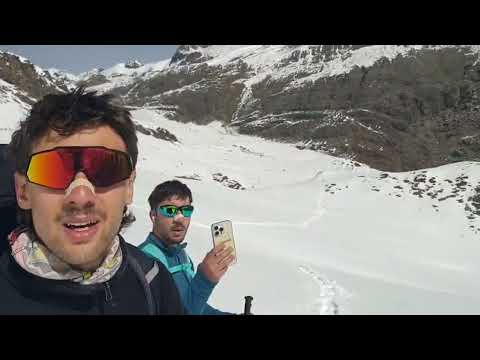
The Annapurna Circuit is considered a moderate to strenuous trek. Daily walks typically last between 5 and 8 hours, and the route reaches a maximum elevation of 5,416m at Thorong La Pass. Good physical fitness and some previous hiking experience are recommended.
The highest point is Thorong La Pass (5,416m), one of Nepal's most famous high mountain passes. Crossing the pass is often considered the highlight of the entire trek.
Previous trekking experience is helpful but not essential. If you're physically fit, well-prepared, and trek at a steady pace with proper acclimatization, many first-time Himalayan trekkers successfully complete the circuit.
Yes. Since you'll spend several days above 3,500 meters and cross Thorong La Pass at 5,416 meters, proper acclimatization is important. The itinerary includes an acclimatization day in Manang to help reduce the risk.
You'll need an Annapurna Conservation Area Permit (ACAP) and a TIMS (Trekkers' Information Management System) card. These are usually arranged by your trekking agency before the trek begins.
The best seasons are spring (March to May) and autumn (September to November). These months usually offer stable weather, comfortable temperatures, and the clearest mountain views.
The trek follows a well-established teahouse route. You'll stay in locally operated mountain lodges offering comfortable rooms and freshly prepared meals throughout the journey.
Most trekking days involve 5–8 hours of walking, depending on the day's distance, elevation gain, and trail conditions. The Thorong La Pass crossing is typically the longest and most demanding day.
Both are outstanding treks but offer different experiences. Annapurna Base Camp focuses on reaching a single destination inside the Annapurna Sanctuary, while the Annapurna Circuit offers a complete journey around the Annapurna range, featuring changing landscapes, diverse cultures, and the challenge of crossing Thorong La Pass.
Yes. Most teahouses offer charging facilities and Wi-Fi for an additional fee. Keep in mind that internet speeds become slower and less reliable at higher elevations.
The Annapurna Circuit combines spectacular Himalayan scenery, rich cultural diversity, varied landscapes, and the challenge of crossing Thorong La Pass into one unforgettable journey. From lush forests and traditional mountain villages to high alpine terrain and the dry landscapes of Mustang, few treks in the world offer such dramatic changes in scenery and experience along a single route.

