Expand your Horizons, Conquer new heights, and Explore with Nepal Hiking Team.
Luxury Trips
Nar-Phu Valley and Kang La Pass Treks – 18 days
US $1349
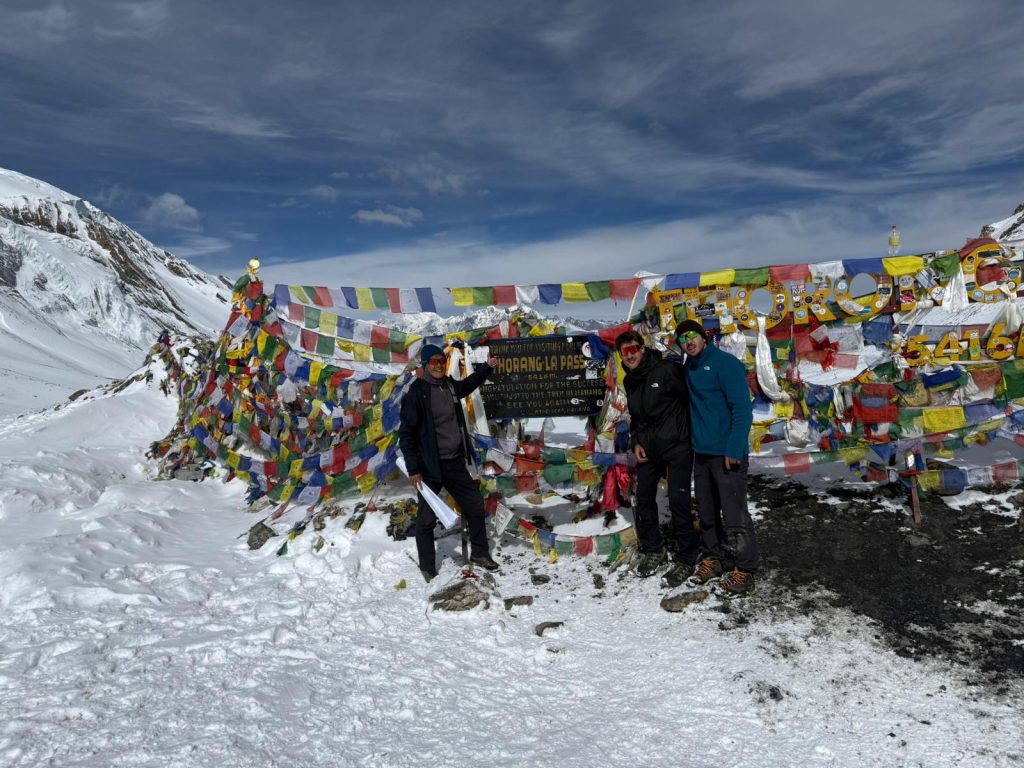
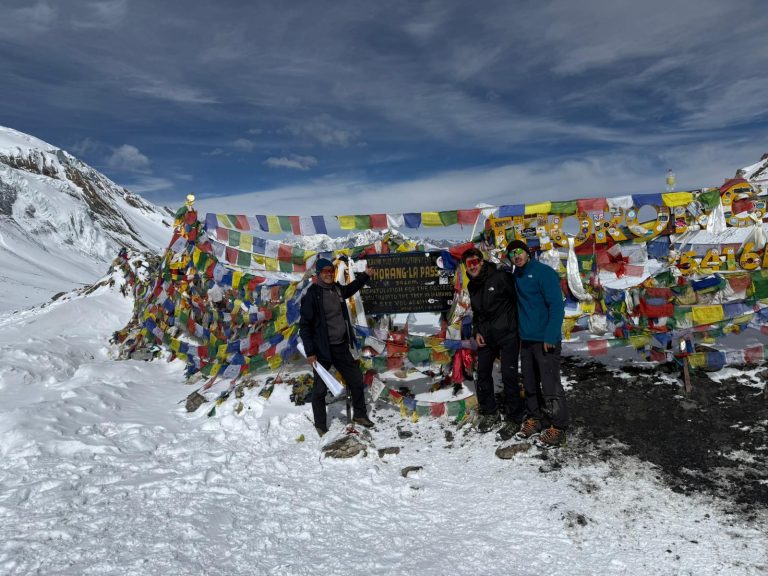
Kang La Pass and Thorang La Pass Trek – 18 Days
US $1309
US $1309
Things to Know
FAQs are coming soon.
Panch Pokhari Trek: A Simple Walk to a Special Place in the Himalayas
Some places aren’t just dots on a map. They stay with you, like a favorite story or a quiet moment you can’t forget. Panch Pokhari, a group of five sacred lakes hidden in the Sindhupalchok district of Nepal, is one of those places. It’s not loud or famous like Everest, where people chase big peaks, or Annapurna, where trails are full of trekkers. Panch Pokhari is quiet, tucked away high in the mountains, waiting for those who want to walk slowly, breathe deeply, and feel something real.
I didn’t expect this trek to mean so much to me. I thought it would be just another hike, another adventure to check off. But from my first step in Bhotang village to my last look at the calm lakes, it wasn’t just a walk. It felt like finding a piece of myself I didn’t know was missing.
Starting Out: Leaving the City Behind
The journey starts in Kathmandu, Nepal’s busy capital city. We left early in the morning, around 5 a.m., when the city was just waking up. The streets were already buzzing vendors were setting up stalls with fruits and vegetables, rickshaws darted through the roads, and temple bells rang softly in the distance. Our jeep was loaded with backpacks, water bottles, and a sense of excitement as we drove out of the valley, leaving behind the noise and crowds of the city.
The road to Bhotang, where the trek begins, was its own kind of adventure. It twisted through green hills, climbed steep slopes, and dipped into valleys where rivers sparkled like silver threads. The paved roads turned to gravel, then to bumpy dirt tracks that rattled the jeep and made us laugh as we bounced in our seats. Dust kicked up behind us, and every now and then, goats or cows wandered across the road, staring at us like we were the ones out of place. It felt like the mountains were telling us to slow down and notice them.
As we drove higher, the air got cooler and smelled like pine trees and fresh dirt. We passed small villages with stone houses and tin roofs. Colorful prayer flags flapped in the wind, and kids played in dusty yards. Women swept their doorsteps with brooms made of twigs, and old men sat outside, sipping tea and watching the world go by. These weren’t tourist spots they were real homes, full of life and stories, tied to the land and the seasons.
When we reached Bhotang, a small Tamang village at about 1,800 meters (5,900 feet), I felt a change. It wasn’t just the fresh air or the quiet. It was like we’d crossed into a different world, one where the noise of the city couldn’t follow. The jeep stopped, and we stepped out into a village that felt like the start of something special. The hills rose around us, covered in green, and the sky was so big it made me want to stand still and just breathe.
Into the Wild: Forests, Streams, and Quiet Trails
The first day of walking started in Bhotang, and it was like stepping into a new world. The trail took us through fields of corn and millet, where farmers worked with simple tools. Then we entered a forest so thick it felt like a big, natural church. Tall pine and rhododendron trees stood close together, their branches blocking most of the sunlight. Only soft patches of light reached the ground, making the path look like it was glowing. The air was cool and smelled like moss and wood, and the only sounds were our boots crunching on the trail and the occasional chirp of a bird hiding in the trees.
Unlike the busy trails of Everest or Annapurna, Panch Pokhari was peaceful. We hardly saw anyone just a few locals carrying baskets of firewood or vegetables on their backs. They walked with steady steps, like they knew every rock and root on the path. Sometimes, they’d give us a shy smile or say “Namaste” in a soft voice, and it felt like a small gift. There were no loud teahouses, no music playing, no groups of trekkers taking photos. It was just us, the forest, and the quiet.
The quiet wasn’t heavy or awkward. It was warm, like a soft blanket. It made my breathing slow down and my mind feel clearer. We walked for hours, crossing small streams with water so clear you could see every pebble at the bottom. The streams flowed fast, coming from the snowy mountains high above, and they felt alive, like they carried the heartbeat of the Himalayas.
Sometimes we stopped for no reason, just to listen. Not to anything special just the wind in the trees or the water running over rocks. One time, we sat by a small waterfall, its water spraying a tiny rainbow in the sunlight. We took off our packs, leaned against a big rock, and just sat there, feeling the moment. It was like the world was saying, “Stop. Look. Listen.”
The trail wasn’t always easy. It was rocky in places, muddy in others, and sometimes steep enough to make our legs burn. But it never felt like a race. We moved at our own pace, letting the mountains set the rhythm. We passed small clearings where wildflowers grew little bursts of purple, yellow, and white. Butterflies fluttered around them, and once, we saw a squirrel dart across the path, its tail flicking like a tiny flag.
Mist, Light, and a Surprise Visitor
On the second day, the forest started to change. The trees spread out, and we walked into open meadows where the grass was soft under our feet. Clouds hung low, covering the hills in a silvery mist that made everything look like a dream. Sunlight came through in beams, lighting up patches of grass or the wet leaves of a bush. Every drop of water sparkled like a tiny jewel, making the trail feel magical.
One moment stays with me. We were walking on a narrow trail, the mist swirling around our boots. The air was chilly, and our breath came out in little clouds. Suddenly, there was a flash of color a Himalayan monal, Nepal’s national bird, flew out of the trees. Its feathers were bright blues, greens, and fiery oranges, glowing in the sunlight like a flame. It crossed the trail and disappeared into the fog, gone as fast as it came. I stood there, my heart pounding, feeling like the mountains had shared something special with me.
We crossed old wooden bridges, their planks worn smooth by years of footsteps. Underneath, rivers rushed by, cold and clear, carrying water from the high peaks. Each bridge creaked as we walked across, and I loved the sound it felt like part of the adventure. The rivers were so pure you could see straight to the bottom, and I wanted to stop and drink from everyone.
As we climbed higher, the trees got smaller, and the hills opened up into wide fields dotted with wildflowers. The air felt thinner, and our steps got slower, but we didn’t mind. The mountains have their own time, and we were learning to move with it. The views got bigger, too hills rolling into the distance, peaks poking through the clouds, and a sky so blue it almost hurt to look at it.
Reaching Panch Pokhari: A Sacred Place
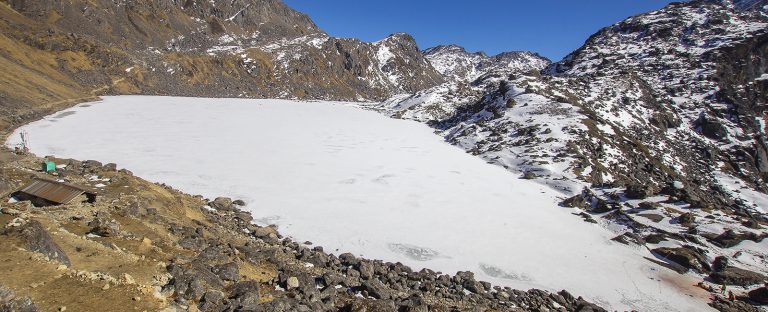
On the fourth day, after a long, steady climb, we reached a ridge. And there they were the five lakes of Panch Pokhari, sitting quietly at 4,100 meters (13,450 feet).
The lakes were surrounded by rocky peaks and a huge, open sky. Their water was so still it looked like a mirror, reflecting the clouds above. There wasn’t a single ripple, not a single sound. It was like the whole world had stopped to take a breath and was waiting for us to catch up.
These lakes aren’t just beautiful they’re holy. People in Nepal, especially Hindus and Buddhists, believe they’re special places with spiritual power. Every August, during a festival called Janai Purnima, thousands of pilgrims walk here, some barefoot, to pray and bathe in the cold water. They say the lakes can wash away bad things and bring blessings. Even if you don’t believe in that, you can feel something special here. It’s like the air holds a kind of magic, something old and quiet and bigger than you.
I walked to the biggest lake and put my hand in the water. It was so cold it hurt, sending a shiver up my arm and into my chest. But it felt clean, like I was touching something pure, something that had been here forever. I sat by the lake for a long time, watching the clouds move across its surface, feeling small but connected to something huge.
There was nothing fancy here no hotels, no shops, no electricity. Just a small stone shelters nearby, its walls worn by wind and snow. Prayer flags fluttered in the breeze, their colors faded but bright, carrying prayers to the sky. We set up our tents, and as the sun went down, the air got freezing. That night, we slept in piles of blankets, our noses cold but our hearts warm with a feeling we couldn’t quite name. It was like we were exactly where we were supposed to be.
We spent the next day exploring the lakes. Each one was a little different one was bigger, another surrounded by more rocks, another tucked into a curve of the hill. We walked slowly, taking it all in. A small temple sat near the lakes, with a few prayer wheels and stones piled up as offerings. The wind carried the sound of the flags flapping, a soft, steady rhythm that felt like the mountains breathing.
Why This Trek Feels Different
Panch Pokhari isn’t about climbing the highest peaks or seeing the biggest glaciers. It’s about something softer, something deeper. It’s about walking with your thoughts and letting them settle like dust after a long day. It’s about feeling your breath match the sound of the wind in the trees or the jingle of a goat’s bell far away. It’s about sharing a cup of tea with someone you just met, even if you don’t speak the same language.
This trek teaches you to slow down. It shows you that the mountains aren’t just something to climb they’re something to listen to. They teach you about strength, about patience, about finding joy in small things like a warm meal or a clear night sky. It’s not about rushing to the top or taking the perfect picture. It’s about being present, feeling the ground under your feet, and letting the quiet fill you up.
The People Along the Way
The trail passes through tiny villages, each one like a little world of its own. Houses made of stone or mud sat close together, with prayer wheels spinning or colorful flags waving. Kids peeked out from doorways, some waving shyly, others hiding with giggles. An old woman with a kind, wrinkled face sold us warm boiled potatoes from a tin plate, her hands rough but gentle. A man stopped fixing his roof with bamboo and rope to smile and nod as we passed. These weren’t places set up for tourists they were real homes, full of life and love, far from the noise of cities.
One night, a Tamang family invited us into their home for tea. We sat on small wooden stools around a fire, the warmth chasing away the evening chill. The tea was sweet and strong, made with milk from their cow, served in old metal cups. We didn’t speak their language, and they didn’t speak much of ours, but we didn’t need to. We laughed, made gestures, and shared the warmth of the fire. Their home smelled of smoke and earth, and that simple moment felt like a treasure. They told us about their life in the hills, how they grew their own food and took care of their animals. We shared stories about where we came from, even if we had to use our hands to explain. It was a moment of connection, one that reminded me how much we can share without words.
Another day, we met a group of kids playing near a stream. They were throwing stones into the water, laughing as they splashed. When they saw us, they ran over, curious and bold. One boy, maybe ten years old, pointed at my backpack and asked in broken English, “What’s inside?” We showed them our water bottles and snacks, and they giggled, offering us a handful of wild berries they’d picked. Those small interactions, so simple and real, made the trek feel like more than just a walk through the mountains it was a journey through people’s lives.
Little Moments That Stay with You
So many small things made this trek unforgettable. The way the stars came out at night, one by one, until the sky was full of light, brighter than I’d ever seen. The sound of dry leaves crunching under our boots, like a song that kept time with our steps. The smell of pine and smoke in the morning air, mixing with the damp earth after a night of rain. The faint beat of a drum from a temple we never found, its sound floating through the hills like a secret.
One morning, as we started walking back down, the sun rose behind the lakes, turning everything gold. The fog lifted slowly, like a curtain pulling back to show the mountains in all their beauty. It felt like the world was new again, and we were lucky to see it. Another time, we stopped to watch a herd of yaks grazing on a hillside, their bells clinking softly. The herder, an old man with a weathered face, waved us over and offered us a sip of yak milk from a metal cup. It was warm and rich, and his smile was even warmer.
These moments, so small and quick, stayed with me like pictures in my mind. They weren’t big or dramatic, but they were perfect. They reminded me that the best parts of life are often the quiet ones, the ones you don’t plan for.
Coming Back Changed
Leaving Panch Pokhari was hard, not because the walk was tough, but because the peace was so hard to let go. Each step back to Bhotang felt like leaving a dream behind. We walked through the same forests, over the same creaky bridges, past the same villages with their prayer flags and stone houses. But we weren’t the same. We carried a new kind of quiet inside us, a strength we didn’t have before, and memories of the lakes that would come back whenever life got too loud.
The descent was easier on our legs but heavier on our hearts. We stopped often, looking back at the hills, trying to hold onto the feeling of being there. In one village, we sat with a group of locals around a fire, sharing a meal of dal bhat rice, lentils, and a spicy pickle. They told us stories about the lakes, how their grandparents used to make the pilgrimage every year. We listened, warmed by the fire and their words, feeling like we were part of something bigger.
Back in Bhotang, the jeep was waiting to take us to Kathmandu. As we drove away, the hills got smaller in the distance, but their lessons stayed with us. The city would be loud and busy again, but now we knew how to find calm in the middle of it. We carried the silence of the lakes, the kindness of the people, and the beauty of the mountains inside us.
What You Need to Know
If you want to trek to Panch Pokhari, here’s what you need to know, but don’t let the details take away the magic. The trek takes about 5-7 days, covering 40-50 kilometers (25-31 miles) from Bhotang (1,800m/5,900ft) to the lakes at 4,100m (13,450ft). It’s not super hard, but the altitude can make you tired, so go slow and drink lots of water. The trails can be rocky or muddy, and the weather changes fast sunny mornings might turn to rain or fog by afternoon. Bring warm clothes, good boots, and a sleeping bag; it gets really cold at night, sometimes below freezing.
There’s no fancy stuff no big hotels, no Wi-Fi, and sometimes no phone signal. You’ll stay in simple teahouses or tents and eat basic food like rice, lentils, potatoes, and tea. You need a permit (TIMS card and Langtang National Park entry), and a guide is a good idea they know the way and can tell you about the area. The best times to go are March to May or September to November, when the weather is clearer and the flowers or fall colors make the trails extra beautiful.
Don’t plan too much. The best part of Panch Pokhari is letting go of your phone, your schedule, your worries. Go to feel the mountains, to talk to people, to find the quiet parts of yourself. Pack light but be ready for cold nights and long days. Bring a journal if you like to write it’s a good way to hold onto the thoughts that come when you’re walking through such a peaceful place.
Final Thoughts: A Trek You’ll Always Carry
Panch Pokhari wasn’t the hardest trek I’ve done. It wasn’t the longest or the highest. But it was the one that meant the most. It showed me that adventure doesn’t have to be big or loud. Sometimes, the best moments come in the quiet when you’re sitting by a lake, listening to the wind, or sharing a smile with a stranger.
This trek is for anyone who wants more than just a hike. It’s for people who want to feel their heart grow, to walk through mountains and into themselves. If you go, take your time. Breathe deeply. Let the quiet show you what’s important.
You’ll come back with a piece of Panch Pokhari inside you a little bit of peace, a little bit of magic, a memory of a place that feels like home.
Manaslu Trek: A Heartwarming Journey in the Himalayas
The Manaslu Trek is a wonderful trip through some of Nepal’s quietest and most beautiful spots. It’s not just walking it’s an adventure that warms your heart and makes you feel strong inside. Mount Manaslu, standing tall at 8,163 meters, is the eighth highest mountain in the world. It looks over the trek like a silent, mighty friend who never leaves your side. This journey is perfect for people who want more than a normal hike. It takes you down a path few others pick, deep into wild nature, rich culture, and a peace that fills your soul. You leave behind the noisy cities and find a special quiet that stays with you long after you return home.
Starting the Wild Adventure
It all starts with a bumpy ride through the hills of Gorkha. The roads twist and turn like a playful river, shaking the jeep as you go. You bounce a little, but the views of green hills, blue skies, and small villages with farmers waving make it fun. You see rocky paths, fast-moving rivers, and tiny houses with smoke rising from chimneys. The ride takes a few hours, but soon the sounds of honking cars and chattering people fade away. You feel the calm of the wild wrap around you like a soft blanket. From Soti Khola, the trail begins its story. It winds through thick sal forests where the trees smell fresh and the leaves rustle in the breeze. Narrow paths are carved into steep cliffs, making you hold on tight and watch your steps carefully. The Budhi Gandaki River becomes your travel buddy. Sometimes it roars loud like a happy waterfall. Sometimes it whispers softly over the smooth rocks. The sound feels like a friend singing you along the way, keeping you company on the long walks.
A Trail Full of Wonders
Every day brings new wonders to see and feel. You walk on slippery stones that shine with water drops, making each step a little adventure. You cross bridges that sway gently, holding onto ropes to keep steady and safe. Cool mist rises from waterfalls, brushing your face with tiny, cold kisses that refresh you. Golden light shines through tall pine trees, painting patterns on the ground like nature’s art. The trail is quiet and soothing, like sitting by a calm lake under a blue sky. You hear birds singing sweet tunes in the branches, their voices bright and cheerful. A distant landslide might rumble softly, a gentle reminder of the mountain’s power and strength. This trek is different from busy Everest or Annapurna trails where crowds walk and talk. Here, you feel alone with the huge mountains and with your own quiet thoughts. You might stop to take a deep breath, listen to the wind whistling, or watch a butterfly land on a wildflower by the path.
Discovering Ancient Culture
As you climb higher, the world transforms before your eyes. The trees get thinner and shorter, giving way to open spaces where the sky feels closer. The air turns cool and crisp, filling your lungs with freshness that makes you feel alive. The land and people start to look like Tibet, with flat roofs, white walls, and colorful prayer flags flapping in the wind. Villages like Namrung, Lho, Sama Gaun, and Samdo are more than just places to sleep. They are alive with Himalayan life, like stepping into a living history book with stories on every corner. Prayer wheels spin slowly in the breeze, their gentle hum mixing with the wind like a soft song. Mani walls with carved prayers and old stupas stand strong, showing a faith that has lasted for hundreds of years, passed down from grandparent to grandchild. In Sama Gaun, you sit in a wide valley under Manaslu’s watchful eyes, the mountain towering like a protector. You might drink butter tea with a local family, feeling the warm cup in your hands as they smile and chat about their day. Watch kids play with homemade toys like spinning tops or wooden dolls outside an old monastery with painted walls and dim lights. These quiet moments show the real treasure of the trek. You’re far from phones, cars, and busy schedules. A local might tell you a story about their grandparents’ adventures trading salt or show you how they spin wool into yarn with a wooden tool.
Meeting the Mountain People
The people here make the trip extra special and warm, like a family you didn’t know you had. The Nubri people, who came from Tibet long ago, live with the mountains as their home and teacher. They are strong and kind-hearted, with faces that tell stories of hard work. You see them carry heavy firewood over frozen paths, their steps sure and steady in the cold, their backs straight despite the load. They care for yaks in biting winds, wrapping the animals in thick blankets to keep them warm and safe from the chill. They smile and offer you hot food like dal bhat with spicy lentils, yak cheese, or steaming potatoes when you’re tired and cold after a long day. The guides and porters are heroes too, with big hearts and strong hands. They laugh with big smiles, carry heavy bags on their backs, and tell funny stories about the trail, their village life, or a time they got lost in the fog. By the fire in dim teahouses, where wind howls outside like a wild song and stars shine bright like tiny lanterns, you become friends. You share tea from a chipped cup, trade jokes about the cold, and listen to a porter sing a song about the mountains, his voice rising with the flames. These bonds stay with you long after the trek ends, like a memory you can touch and feel.
Climbing Larke La Pass
The big moment comes at Larke La Pass, 5,160 meters high. It’s a tough climb that tests your spirit and body, pushing you to your limits. You start before dawn with a headlamp cutting through the dark and windy air, like a little star leading the way through the night. Every breath feels hard, like lifting a heavy rock with your chest, each one a little fight. The slope is steep, and your legs ache with each slow step, your muscles burning with effort. But when the first sunlight hits the prayer flags at the top, flapping in the breeze like a celebration, the struggle turns to wonder and joy that fills your heart. You see icy peaks all around, standing like giant kings guarding the land. Glaciers shine below, sparkling like diamonds in the morning light, reflecting the sun’s rays. The path behind feels like a dream from long ago, a story you’ve already lived and left behind. It’s not just a high point for your body. It’s a high point for your heart and soul, a moment that feels bigger than words. Many trekkers say it feels like giving in to nature’s power and something bigger than themselves like a hug from the sky that lifts your spirits. You might feel tears in your eyes from the beauty or a big smile on your face from pride. Some people leave a small stone or a quiet prayer at the top as a thank you to the mountains for bringing them there.
Exploring Wild Nature
The Manaslu Conservation Area is wild and free, like a secret forest only you know, full of mysteries to uncover. Snow leopards walk, their soft paws leaving tracks in the snow that you might spot if you’re lucky and quiet. Blue sheep eat on its slopes, their curved horns shining in the sun like crowns, grazing peacefully. Red pandas hide in the trees, peeking out with curious black eyes and reddish fur, darting away if you get too close. Unlike crowded parks full of hikers shouting and taking pictures, here you might be the only one on the trail, surrounded by silence that wraps around you. Nature feels big and humbling, making you feel small but also strong and alive, like you belong to the mountains. The seasons change the colors like a painter’s brush dipped in magic. Spring brings pink rhododendrons that smell sweet and fill the air with perfume, with waterfalls that crash from melting snow, sending mist into the breeze. Autumn gives clear blue skies that stretch forever and golden light that paints the mountains in warm tones, making you stop and stare in awe. No matter when you go, the beauty is raw, wild, and sticks in your mind like a favorite song you can’t forget.
Finding Peace Within
This trek is more than just walking with a backpack on your shoulders. It’s a journey inside your heart and mind, a trip to find you. With no phone signal to check and no rush to hurry through the days, your mind gets quiet like a still pond reflecting the sky. You have time to think about your life, your dreams, or the people you love or just watch the clouds float by like fluffy sheep. The trail teaches you to wait when a river is high and fast or a path is muddy and slick, teaching your patience to let things happen. The hard parts, like climbing steep hills that make your legs shake or crossing cold streams that numb your feet, teach you to be strong and keep going even when you’re tired and want to stop. The simple life eating plain rice and lentils cooked over a fire, sleeping on a thin mat with a warm blanket teaches you to be thankful for little things like a hot meal, a kind word, or a dry pair of socks. Waking up with the sun peeking over the peaks, eating warm soup that warms your hands, and walking miles with only your breath and the sound of your boots crunching on gravel, you find things you didn’t know you needed. You get clear thoughts that make sense of your worries, a calm heart that feels steady like a rock, and inner power that helps you face anything, even back home. You might write in a little notebook about your feelings under a tree or just sit on a rock and watch the world go by, listening to the silence.
A Lasting Memory
The Manaslu Trek doesn’t end at a famous camp with cheering crowds and flags. But it leaves a deep mark on you that you carry forever, like a gift from the mountains. It challenges your body with long days that tire your legs, cold nights that make you shiver, and steep climbs that make your muscles sore but proud. It stretches your mind with new ideas, quiet time to think about life, and stories from the past that echo in your ears. It opens your heart with smiles from strangers who feel like family, the warmth of a shared meal around a smoky fire, and the beauty of the land that takes your breath away. You remember cold mornings when your breath made little clouds in the air, floating up to the peaks. You think of hot momos in smoky kitchens, the steam warming your hands as you eat with new friends who laugh with you. You feel the quiet hug of the Himalayas, standing tall and still like old guardians watching over the world. These memories follow you like shadows, popping up when you see a mountain in a picture, hear a river in a dream, or feel a cold wind on your face, reminding you of your strength and peace.
The best time to go is March to May or September to November. These months have clear blue skies that let you see far and wide, with good weather that keeps you comfortable. Spring has pink flowers that bloom like candy and melting snow that makes little streams to splash in. Autumn has crisp air that feels fresh on your skin and bright views that light up the peaks like a painting. In winter, from December to February, it snows on high paths and gets icy, making the trail slippery and cold under your boots. Bring warm clothes like thick jackets to block the wind, soft hats to cover your ears, warm gloves to keep your fingers toasty, and wool socks to protect your toes from the freeze. In the rainy season, from June to August, it rains less here because the mountains block the clouds, but mud can still slow you down and make your shoes dirty and heavy. Carry a raincoat to stay dry, waterproof shoes to grip the ground, and a small umbrella for surprise showers that might catch you off guard. Check the weather before you start to plan your days and stay safe. Pack a small bag with water to stay hydrated and strong, snacks like nuts or dried fruit for energy when you’re hungry, a camera to catch the pretty views that take your breath away, sunscreen for your face to block the sun’s burn, and a hat to shade your head from the heat. Wear comfy clothes like t-shirts and sweaters in layers so you can add or remove them to stay warm or cool as the day changes. The high altitude might make you feel dizzy, tired, or short of breath, like the air is too thin to hold. Drink lots of water to help your body adjust, rest often to save your energy, and go slow to enjoy the journey and keep your health strong.
Long ago, this area was a busy trade route between Nepal and Tibet, a highway of the mountains. Traders carried salt, wool, and spices over these paths on yaks, singing songs to pass the long days and nights. You can still see old stone markers along the trail, worn by time, and hear tales of those brave travelers from your guide as you rest by a fire. The Nubri people have lived here for centuries, mixing Tibetan prayers with Nepali festivals that light up the villages. They celebrate with colorful masks that dance in the firelight, loud drums that beat like hearts, and dances that tell stories of gods and heroes. You might join a small prayer at a stupa, lighting a butter lamp with shaky hands, or taste local barley beer that warms your throat and makes you laugh. The trail has hidden caves where monks once meditated in silence, their echoes still lingering in the shadows. A guide might point them out if you’re lucky, letting you peek inside with a flashlight, feeling the cool air and imagining their quiet lives. The Manaslu region is protected to keep its wild animals like snow leopards, old culture like Nubri songs, and quiet beauty safe from harm. That’s why permits are needed, and why it feels so special and untouched, like a hidden treasure only a few can find.
This trip is for people who want more than a hike up a hill with a view. It changes you quietly, step by step, high in the mountains where the earth meets the sky and the air feels pure. You come back with stories of yaks walking by with bells jingling, laughter by the fire with new friends who feel like family, and the feeling of standing on top of the world at Larke La, your heart pounding with joy. It’s not about being the loudest, shouting to be heard over the wind, or the fastest, racing past the flowers. It’s about finding peace that fills your heart with calm, strength that lifts your spirit to new heights, and a new friend in the mountains that watches over you like a guardian. When you leave, you carry a piece of Manaslu in your heart, ready to share with your family or friends over dinner, like a treasure from the peaks that glows inside you.
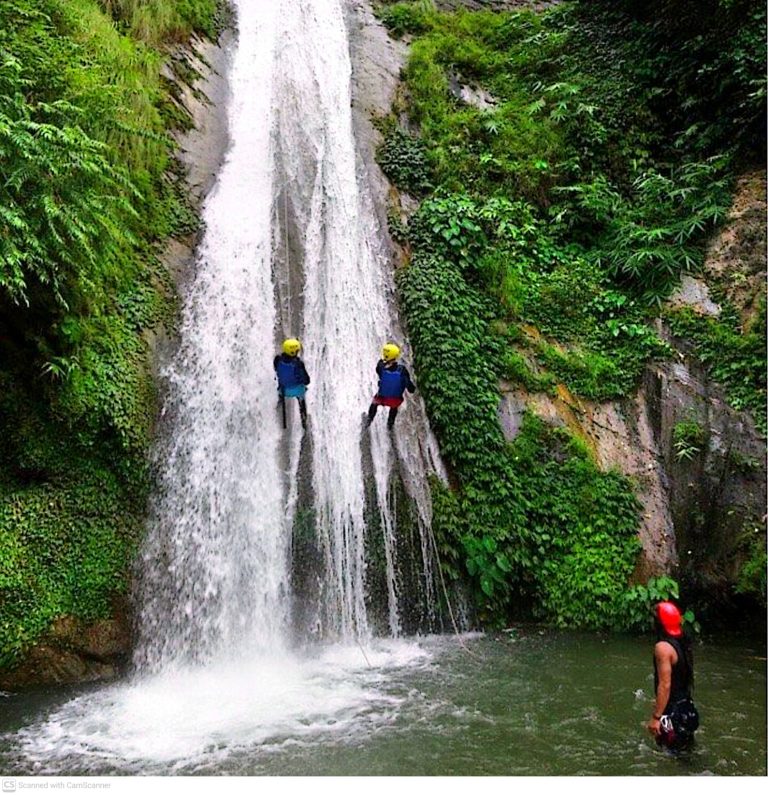
Adventure in Nepal are bungee, paragliding, rafting, climbing jungle safari etc are memorable
Dhampus Sarangkot Trek: A Simple Himalayan Adventure
A Short and Beautiful Trek
The Dhampus Sarangkot Trek is a special walk in Nepal, hidden in the Annapurna mountain area. It’s not as hard or long as other famous treks like Everest Base Camp or Annapurna Circuit. This trek takes only 2 to 3 days, so it’s great for people who are new to trekking, families, or anyone who wants a quick and easy mountain trip. Even though it’s short, you still get to see amazing views of big mountains and learn about Nepali village life.
This trek takes you through green hills, small villages, and forests, with the tall, snowy Annapurna mountains always in the background. It’s not just about walking it’s about feeling calm and happy in nature. You start in Pokhara, a peaceful city, and visit two villages called Dhampus and Sarangkot. In these places, you will meet friendly people, enjoy quiet mountain moments, and see views that you will never forget. This article will tell you all about this easy and wonderful trek, from Pokhara to Sarangkot, and the beautiful things you will see and feel along the way.
The Journey Begins in Pokhara: A Pretty Lakeside City
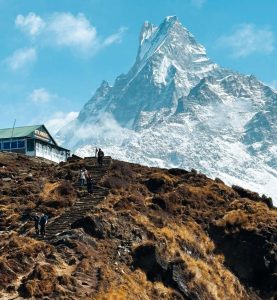
Your trip starts in Pokhara, a calm city that feels relaxing after the noisy streets of Kathmandu, Nepal’s capital. Pokhara is about 200 kilometers west of Kathmandu. You can get there by a 6 to 7 hour drive on curvy roads that show you rivers, hills, and village life, or by a fast 25 minute flight where you might see the Himalayas from the sky on clear days. When you arrive, you will notice how peaceful Pokhara is. It sits next to Phewa Lake, a big, shiny lake that reflects the hills and faraway Annapurna mountains, including the pointy Machhapuchhre (Fishtail) peak, which is 6,993 meters tall and looks like a fish’s tail.
Pokhara isn’t just a place to start your trek it’s a nice spot to spend time. The Lakeside area, along the east side of Phewa Lake, is where travelers hang out. It’s busy but still feels calm, with little shops, cafes, and places to eat. You can find Nepali food like dal bhat (rice and lentils) or even pizza. There are also bookstores with books about the Himalayas and shops selling pretty things like necklaces, colorful prayer flags, and trekking stuff like backpacks. People walk by the lake, talking and laughing, while the water makes soft sounds against wooden boats. In the morning, the lake is very still, showing the mountains as the sun lights them up. At night, lights sparkle in the trees, music plays softly, and candles glow at restaurants, making it cozy.
Before you start trekking, Pokhara lets you rest and enjoy the area. You can rent a small, colorful boat and row to Tal Barahi Temple, a little temple on an island in the lake where people pray. Or you can walk or drive up to the World Peace Pagoda, a big white dome on a hill, to see the lake, city, and mountains from high up. Pokhara helps you feel ready for the trek by making you slow down and love nature. While drinking a cup of sweet tea at a café and watching people paraglide in the sky, you will feel excited for what’s next.
Phedi to Dhampus: Walking Up the Hills
The trek starts with a short 30-minute drive from Pokhara to a place called Phedi, where the path to Dhampus begins. When you get out of the car, the air feels fresh and cool, and you can’t hear the city anymore just birds singing and leaves moving in the wind. Phedi is at 1,130 meters high and has a few small tea shops where people drink tea and talk. From here, you start walking up stone steps that go into the hills like a big staircase.
The walk to Dhampus isn’t too hard, but it goes uphill. It’s about 5 kilometers and takes 2 to 3 hours. As you walk, the busy world feels far away, and nature takes over. You walk through forests with tall trees like rhododendrons, oaks, and bamboo, which make a shady roof above you. In spring, from March to May, the rhododendrons bloom with bright red, pink, and white flowers, making the forest look magical. Little streams flow across the path, making soft sounds that calm you down. You will also see fields where farmers grow crops like millet, barley, and potatoes. These fields are made into steps on the hills, showing how hard the farmers work.
As you go higher, you start to see the big Annapurna mountains in the north, like Annapurna South (7,219 meters) and Machhapuchhre. The path goes through tiny villages where kids wave at you and women in bright clothes say “Namaste” with big smiles while carrying baskets of wood or clothes. These small meetings show how kind the people here are. After climbing the last steps, you reach Dhampus, a village at 1,650 meters, sitting on a hill with amazing views of the mountains and the Pokhara Valley below.
Dhampus looks like a village from a storybook, with stone houses, slate roofs, and little paths between them. Colorful prayer flags move in the wind. The people here are mostly Gurungs, a group known for being brave some join the Gurkha army and for their traditions. You stay in a tea-house, which is simple with wooden beds and a shared bathroom, but the family who runs it makes you feel at home. For dinner, you eat dal-bhat, a Nepali meal with lentils, rice, and veggies, served on a metal plate. While eating by a small lamp, the family tells you about their life in the village, making you feel close to them.
At night, the sun goes down, painting the sky orange and pink, and the mountains glow. It gets cold, so you wear a shawl and drink hot ginger tea. The mountains are so quiet, with only a dog barking or a flute playing far away. Dhampus feels like a safe, peaceful place where you forget your worries. As you go to sleep, you’re excited for the next day’s walk to Sarangkot.
Dhampus to Sarangkot: A Nice Walk with Great Views
You wake up early on the second day because the sunrise over the Annapurna mountains is amazing. When you step outside the tea-house, the sun’s first light makes the snowy peaks glow orange against a blue sky. The air is cold, and you can see your breath. After eating Tibetan bread with honey and drinking black tea, you start walking to Sarangkot. It’s a 6 to 7 hour walk, about 10 kilometers, and not too hard.
The path from Dhampus to Sarangkot goes down a bit, then up and down over hills. You start by walking through fields where farmers are working, planting or picking crops. The trail goes through more forests with a nice pine smell, and you might see a monkey in the trees or a colorful bird running across the path. The area is full of green hills and yellow fields, and sometimes you see the Annapurna mountain, which makes you want to keep going.
You pass through small villages where you can see how people live. In one village, you stop at a tea shop, and an old lady with a kind smile gives you a cup of Nepali tea with spices like cardamom. She tells you stories about when she was young, and people used these paths to trade things between Pokhara and the hills. Talking to her makes the trek special because you learn about the people who live here.
The last part to Sarangkot, at 1,592 meters, is an easy climb, and the views are the best yet. Sarangkot is a village on a hill known for its sunrise views. When you get there in the late afternoon, the sun makes everything look warm. Below, you see the Pokhara Valley and Phewa Lake shining like a gem. To the north, the Annapurna mountains, like Annapurna I (8,091 meters), Annapurna South, and Machhapuchhre, look huge. Sarangkot is also a place for paragliding, so you might see bright gliders flying in the sky.
You stay in a guesthouse in Sarangkot, and the family is just as nice as in Dhampus. For dinner, you have momos, which are steamed dumplings with veggies and a spicy sauce, and Thukpa, a warm noodle soup. You sit by a small fire with other trekkers, talking about the day, and it feels like you’re all friends. The stars above Sarangkot are so bright because there are no city lights, and the night feels peaceful.
Sunrise at Sarangkot and Going Back to Pokhara
The best part of the trek is on the last morning when you wake up before the sun to see the sunrise at Sarangkot’s viewpoint. It’s a short 15 minute walk to the top of the hill, where some trekkers and locals are waiting. As the sun starts to rise, the sky changes colors first dark purple, then pink, and then bright orange. The Annapurna mountains, which looked so big before, now shine with golden light, showing all their details. Machhapuchhre looks especially pretty with its pointy shape.
This sunrise is so beautiful that it feels like magic. Time seems to stop, and you feel thankful to be here, seeing the Himalayas like this. It’s not just pretty it makes you feel calm and happy inside. When the sun is higher, you take lots of pictures, but they can’t show how amazing it really is. You drink a cup of hot lemon tea from a seller nearby and stay a little longer, enjoying the quiet before walking down.
The walk back to Pokhara takes 2 to 3 hours and is about 5 kilometers. The path goes down through forests and villages, and you can see the Pokhara Valley getting closer. Going down is easy for breathing but can be tough on your knees, so sticks to help you walk are good to have. When you get near Pokhara, you hear city sounds again like car horns and kids talking. You end up at Lakeside, where Phewa Lake looks familiar. After a shower at your hotel, you go to a café by the lake and eat something nice, like pizza or a cold drink, while thinking about the trek.
Cultural Insights: The Gurung-People
One of the most rewarding aspects of the Dhampus Sarangkot Trek is the chance to connect with the Gurung community, an indigenous ethnic group known for their resilience, hospitality, and unique traditions. The Gurungs, who call the hill villages of Dhampus and Sarangkot home, live in close harmony with nature and have preserved a rich cultural heritage despite the pull of modernization.
In daily life, most Gurung families engage in subsistence farming, growing crops like millet, maize, and potatoes on terraced hillsides. Life revolves around the seasons. In spring, fields bloom with wildflowers, and in autumn, families gather to harvest. You’ll often see elderly women weaving shawls or baskets outside their homes, while men tend livestock or repair stone walls. Homes are traditionally built with slate roofs and whitewashed walls, often decorated with bright marigold flowers.
Festivals are an important part of Gurung life. If you visit during Tihar (Festival of Lights), you might witness homes lit with oil lamps, or children dancing and singing deusi-bhailo performance. During Maghe Sankranti, families cook and share traditional foods like yams, sesame sweets, and molasses to celebrate the end of winter. The Ghatu dance, performed by young girls during the spring, is a rare and sacred performance that tells ancient stories through slow, graceful movements.
Traditional Gurung attire is also fascinating. Women wear colorful wrap around skirts called ghungroos with bright shawls and ornate jewelry, while older men may still wear the Bhangra, a type of traditional shirt with a sash. Each piece of clothing often has symbolic meaning and is handmade using locally available materials.
Language plays a vital role in cultural preservation. The Gurungs speak Tamu Kyi, a Tibeto Burman language, though many also speak Nepali. Elders often serve as guardians of oral history, sharing folktales about mountain spirits, ancient battles, or love stories passed down for generations. Even a brief chat with an elder can give your insight into a worldview shaped by mountains, gods, and ancestral memory.
By slowing down and engaging with these cultural expressions, you’ll come away with more than photos you’ll carry stories, sounds, and feelings that deepen your understanding of Nepal beyond the scenery.
Trekking Responsibly: Supporting People and Nature
While the Dhampus Sarangkot Trek is short and beginner-friendly, it’s important to trek in a way that supports the local people and protects the environment. Responsible travel ensures that your presence has a positive impact on both the community and the land.
One key way to support local livelihoods is to stay in family run tea-houses, which keeps money in the village. Hiring local guides and porters not only enhances your experience with insights and stories but also provides employment and pride for Gurung youth who might otherwise leave for city jobs or abroad. Buying handmade crafts, snacks, or tea from village shops also helps small scale entrepreneurs.
The region’s delicate mountain ecosystem requires care. Use a reusable water bottle and water purification tablets or a UV filter to avoid buying plastic bottles, which are hard to dispose of in remote villages. Carry out your own waste especially wrappers and used tissues and avoid leaving behind any trace of your trek.
Respecting cultural norms is equally important. Dress modestly in villages and always ask before taking photos of people or shrines. Remove your shoes before entering homes or temples, and learn basic local phrases like “Namaste” (Hello) or “Dhanyabad” (Thank you). These small gestures show appreciation and help build respectful connections.
If possible, consider trekking during shoulder seasons, like late February or early December. Trails are quieter, and your visit brings income during less busy times. Off-season travel also means you’re less likely to contribute to overcrowding or overuse of local resources.
Lastly, take time to listen and learn. Whether it’s joining a family to make sel roti or helping gather firewood, participating in daily life opens your eyes to the challenges and beauty of living in the hills. Responsible trekking isn’t just about “leaving any trace” it’s about leaving a good one.
In choosing to trek mindfully, you help preserve the landscape and culture that make the Dhampus Sarangkot Trek so special for future visitors and for the communities who call it home.
The Views: A Photographer’s Paradise
For nature lovers and photographers, the Dhampus Sarangkot Trek is dreams come true. Every step offers a postcard-perfect scene: golden sunrise moments, sweeping views of the Annapurna range, and charming hill villages tucked among green forests.
From Dhampus, one of the best things to capture is the panoramic mountain skyline you’ll see Machhapuchhre (Fishtail), Annapurna South, Hiunchuli, and other snowy peaks that seem close enough to touch. These mountains change throughout the day: they glow gold at sunrise, stand bright white under a clear blue sky, and turn soft pink in the evening light. You don’t need professional gear to take great pictures here even a phone camera can capture stunning shots with the right timing.
Sarangkot, on the other hand, is famous for its sunrise views. The early morning light slowly paints the Himalayas, turning them into a glowing wall of snow and rock. From the viewpoint, you also get a bird’s eye view of Pokhara Valley and the calm surface of Phewa-Lake far below. If you’re lucky, you might even photograph colorful paragliders floating against the mountains a unique contrast between adventure and serenity.
On the trail, you’ll also find hidden beauty: blooming rhododendron trees in spring, dew-covered spiderwebs in the forest, and elderly villagers sitting quietly outside their homes. These small scenes capture the rhythm of mountain life. Monkeys in the trees, fluttering prayer flags, and terraced fields carved into hillsides all add to the visual richness of the trek.
Photography here is not just about landscapes it’s about telling stories. A child’s smile in a mountain village, a tea-house family preparing your dal-bhat, or a farmer walking with a heavy basket on their back all reflect the life of the hills. Don’t be shy to ask before taking someone’s photo; a kind smile or a quick “Namaste, photo okay?” goes a long way.
Lastly, bring extra memory cards or phone storage you’ll need it. And always keep your camera or phone easily reachable, because the best moments like a hawk flying across a snow peak can happen in a flash.
Why this trek is great for beginners
The Dhampus Sarangkot Trek is perfect for people who are new to trekking, families with children, or travelers with limited time. While many treks in Nepal are long and physically demanding, this one is short, scenic, and gentle, without sacrificing the Himalayan magic.
One of the best things is that you don’t need weeks to do it the trek can be done in just 2 to 3 days, depending on your pace. That means you don’t need special training or gear, and it fits easily into a short vacation or a break from volunteering or studying in Nepal.
The trail has a few uphill sections, like the climb from Phedi to Dhampus, but they’re manageable for most people with average fitness. There’s no need to worry about altitude sickness either, as the highest point is less than 1,700 meters. This makes the trek especially good for people who want to experience the Himalayas without the risk of high-altitude illness or long days of hiking.
Another bonus is the comfort and safety. The trail is well-marked, and you’re never too far from a village or teahouse, so you can always find food, water, or help if needed. You sleep in cozy teahouses that offer warm food, hot drinks, and blankets making it feel more like a home stay than a rugged wilderness trek.
If you’re unsure about trekking solo, you can easily find a local guide in Pokhara to join you. They’ll carry your bag, share local stories, and help translate if you want to chat with villagers. This kind of support makes the trek even more beginner-friendly.
For people who want to try trekking for the first time, this route builds confidence and joy. You get a taste of real Nepali mountain life, see the incredible Himalayas up close, and walk through peaceful forests all without pushing your body to the extreme. And when you finish, you’ll feel strong, happy, and ready to try something bigger next time.
Tips for the Dhampus Sarangkot Trek
This trek is easy, but it’s good to be ready. Here are some simple tips:
- Best Time to Go: Go in spring (March to May) or autumn (September to November) when the weather is nice and you can see the mountains clearly. Winter (December to February) is okay but cold, and monsoon (June to August) makes the paths slippery.
- What to Bring: Wear layers of clothes (a warm jacket, a rain jacket), good walking shoes, a small backpack, water cleaning tablets, sunscreen, a hat, and sticks for walking down. Tea-houses have blankets, so you don’t need a sleeping bag.
- How Fit You Need to Be: This trek is good for beginners, but you should be able to walk uphill a little. Practice walking 5-10 kilometers a day for a few weeks before.
- Permits: You need two permits a Trekkers’ Information Management System card and an Annapurna Conservation Area Permit. You can get them in Pokhara or Kathmandu.
- Guides and Helpers: The path is easy to follow, but a guide can tell you more about the area and keep you safe. You can also hire someone to carry your bag if you want.
- Where to Stay: Tea-houses in Dhampus and Sarangkot are simple but nice, with shared bathrooms and basic food. Book early if it’s a busy time.
A Trek You will Always Remember
The Dhampus Sarangkot Trek is short, but it feels big in your heart. It mixes the beauty of the Himalayas with the kindness of Nepali people, making it a great first trek in Nepal. From the calm lake in Pokhara to the sunrise at Sarangkot, every part of this trip is special. You will love seeing the Annapurna Mountains, meeting the Gurung people, and feeling proud when you look over the Pokhara Valley from the hill.
If you want a Himalayan trip that’s not too hard or long, this trek is perfect. It shows you that the best trips are the ones where you can take your time, breathe, and feel close to nature and people. When you get back to Pokhara, with your memories and pictures, you will feel the Himalayas inside you a quiet happiness, a love for simple things, and a wish to come back someday.
Exploring the Beauty of Nepal: A Traveler’s Paradise
Nepal, a land of breathtaking landscapes and rich cultural heritage, is a dream destination for travelers from around the world. Nestled in the lap of the Himalayas, this small yet diverse country offers an extraordinary blend of nature, adventure, and spirituality. Whether you are an adrenaline junkie, a history enthusiast, or someone seeking peace and tranquility, Nepal has something for everyone.
- The Majestic Himalayas
Nepal is home to eight of the world’s fourteen highest peaks, including Mount Everest (8,848m), the highest mountain on Earth. Trekking to Everest Base Camp, Annapurna Circuit, and Langtang Valley offers unparalleled scenic beauty, making Nepal a haven for trekkers and mountaineers.
- Rich Cultural Heritage
Nepal boasts a unique cultural blend influenced by Hinduism and Buddhism. The country is dotted with UNESCO World Heritage Sites, including Kathmandu Durbar Square, Bhaktapur Durbar Square, Swayambhunath (Monkey Temple), and Pashupatinath Temple. Lumbini, the birthplace of Lord Buddha, is a spiritual hub attracting thousands of pilgrims every year.
- Adventure Tourism
For thrill-seekers, Nepal offers paragliding in Pokhara, white-water rafting in Trishuli River, bungee jumping in Bhote Koshi, and jungle safaris in Chitwan National Park. These activities provide an adrenaline rush like no other, making Nepal one of the best adventure tourism destinations in the world.
- Spiritual and Wellness Tourism
Many travelers visit Nepal for meditation, yoga retreats, and spiritual healing. Centers in Pokhara, Kathmandu, and Lumbini offer various wellness programs, allowing visitors to rejuvenate their minds and souls amidst serene landscapes.
- Warm Hospitality and Delicious Cuisine
Nepali people are known for their warm hospitality and friendly nature. Tourists are welcomed with open hearts, and experiencing the local culture is a highlight of any visit. The cuisine, featuring dal bhat (rice and lentils), momo (dumplings), and Newari dishes, is a must-try for food lovers.
- Best Time to Visit Nepal
The best time to visit Nepal is during spring (March to May) and autumn (September to November) when the weather is pleasant and perfect for trekking and sightseeing. Winter (December to February) is ideal for cultural tours, while monsoon (June to August) is great for nature lovers.
Conclusion
Nepal is a destination that offers unforgettable experiences for every kind of traveler. From its stunning mountains and rich cultural heritage to its adventure-packed activities and spiritual retreats, Nepal is truly a traveler’s paradise. Whether you seek thrill, peace, or cultural exploration, Nepal welcomes you with open arms and a warm heart.
So, pack your bags and embark on a journey to the land of the Himalayas – an adventure of a lifetime awaits!
The Everest Base Camp (EBC) trek is more than just a journey to the foot of the world’s highest mountain; it’s an unforgettable adventure that leaves you with memories for a lifetime. Each step on the trail brings new experiences, challenges, and inspiring moments that shape your connection with nature, people, and yourself. Here is a reflection on why the Everest Base Camp trek creates memories that stay with you long after the trek is over.
The Thrill of the Journey
For many, the adventure begins with the heart pounding flight into Lukla, often dubbed one of the most thrilling airports in the world. As you descend into the small mountain town, surrounded by towering peaks, you get your first taste of the journey ahead. The excitement in the air is palpable you are not just embarking on a trek; you are stepping into a path walked by generations of climbers and adventurers.
Each day on the trail brings its own rhythm winding paths through pine forests, suspension bridges adorned with fluttering prayer flags, and gradually climbing to higher altitudes. Moments of calm, surrounded by snowcapped mountains and the soothing sound of river streams, balance the physical exertion. These quiet interludes turn the trek into a meditation on nature’s beauty and the joy of simplicity.
Bonds Formed Along the Trail
One of the most unforgettable aspects of the Everest Base Camp trek is the camaraderie built with fellow trekkers, guides, and porters. The journey is not just about reaching the destination; it’s about the people you meet along the way. Every evening in teahouses, stories are exchanged over steaming cups of tea recounting the day’s trek, sharing laughter, and listening to tales of past adventures.
You meet people from all over the world, united by a common goal to reach Everest Base Camp. Friendships form quickly in the face of shared challenges, like navigating steep ascents or battling the effects of altitude. These connections remind you that while the mountains are vast, the human spirit is what makes the journey so fulfilling.
Cultural Richness of the Khumbu Region
One of the most enriching memories of the trek is the immersion in Sherpa culture. As you pass through villages like Namche Bazaar, Tengboche, and Khumjung, you encounter the warmth and resilience of the Sherpa people. Visiting Buddhist monasteries, such as the renowned Tengboche Monastery, where monks chant prayers amid a serene backdrop of towering peaks, is a deeply spiritual experience.
The simple yet profound way the Sherpa live rooted in their deep connection to the mountains and their Buddhist faith serves as a powerful lesson in harmony between humans and nature. The prayer flags fluttering in the wind, the spinning of prayer wheels, and the stupas dotting the landscape are constant reminders of the spirituality that permeates life in the Himalayas.
The Challenge and Triumph of Reaching Base Camp
There is something inherently life changing about the physical challenge of trekking to Everest Base Camp. The trek pushes your limits whether it’s enduring the altitude, braving cold temperatures, or summoning the strength for long, steep ascents. These moments of struggle are deeply personal, where you discover your own resilience.
And then comes the moment you have been waiting for arriving at Everest Base Camp. Standing at 5,364 meters (17,598 feet), surrounded by the iconic Khumbu Glacier, the sense of achievement is overwhelming. The colorful prayer flags and tents of climbers preparing for their summit attempts give life to the stark, icy landscape. In that moment, you realize that it is not just about standing in the shadow of Everest, but about the perseverance, patience, and dedication it took to get there. The view from Base Camp may not be the highest, but the emotional high you feel is unmatched.
The Unforgettable Views of the Himalayas
One of the most vivid memories from the Everest Base Camp trek is the sight of the Himalayan giants surrounding you. Peaks like Aa
ma Dablam, Lhotse, and Nuptse stand majestically along the trail, offering breathtaking views at every turn. But the ultimate spectacle is the sunrise view from Kala Patthar, a popular viewpoint near Base Camp.
Waking up before dawn, bundled in layers to guard against the freezing cold, you make the steep ascent to Kala Patthar in the early morning darkness. As the first rays of sunlight hit the summit of Everest, the entire landscape is bathed in golden light. Watching Everest glow in the morning sun is a moment that stays etched in your memory, a sight that no photograph can fully capture.
Personal Growth and Reflection
Perhaps one of the most profound takeaways from the Everest Base Camp trek is the personal growth that comes with the experience. The trek challenges not only your physical endurance but also your mental strength. There are moments of doubt, fatigue, and discomfort, but overcoming them fills you with a sense of accomplishment and a deeper understanding of your own capabilities.
For many, the trek is a journey of self-discovery. Walking for hours through serene landscapes allows for reflection, helping you reconnect with yourself in a way that daily life rarely permits. The simplicity of life on the trail waking up with the sun, walking in rhythm with nature, and spending evenings in quiet tea houses creates space for introspection.
Memories That Last a Lifetime
The memories you create on the Everest Base Camp trek are not just snapshots of breathtaking landscapes or moments of triumph. They are reflections of personal growth, cultural connections, and the realization that you are a small part of something much bigger. They are the bonds formed with strangers who became friends and the pride of accomplishing something that once seemed daunting.
Long after you’ve returned home, the sights, sounds, and feelings of the trek remain with you. The Himalayas have a way of leaving an indelible mark on your heart, reminding you that life’s greatest adventures are not just about the destination but about the journey, the people you meet, and the memories you create along the way.
If you’ve ever dreamed of a trek that offers not just breathtaking views but lifetime memories, the Everest Base Camp trek is your gateway to adventure and discovery. It’s a journey that will stay with you forever, long after you’ve left the mountains behind.
The Everest Base Camp (EBC) trek is a bucket-list adventure for trekking enthusiasts, offering awe-inspiring views, a deep dive into Sherpa culture, and the chance to stand at the base of the world’s highest peak, Mount Everest. However, reaching EBC requires careful planning and preparation. In this guide, we’ll take you through the step-by-step journey to Everest Base Camp, from the bustling streets of Kathmandu to the foot of the mighty mountain.
Step 1: Arrive in Kathmandu
Your adventure begins in Kathmandu, Nepal’s vibrant capital and the gateway to the Himalayas. Most international travelers arrive at Tribhuvan International Airport (TIA), which is a well-connected to major city worldwide. Spend a day or two in Kathmandu to prepare for your trek, secure necessary permits, and explore cultural landmarks like Boudhanath Stupa or Durbar Square.
Tip: If you’re traveling with a trekking agency, this is where you’ll meet your guide and team.
Step 2: Prepare for the Trek
Before heading to the mountains, ensure you’re fully prepared:
- Trekking Permits: You’ll need two permits:
- Sagarmatha National Park Entry Permit
- TIMS (Trekkers’ Information Management System) Card these can be obtained through your trekking agency or directly from the Nepal Tourism Board in Kathmandu.
- Gear Check: Whether you’re renting or bringing your own gear, make sure you have essentials like trekking boots, warm clothing, a sleeping bag, and trekking poles. Thamel, a popular tourist area in Kathmandu, is a great place to buy or rent high-quality gear.
Step 3: Fly to Lukla
From Kathmandu, take a thrilling 35-minute flight to Lukla, the starting point of the EBC trek. Lukla’s Tenzing-Hillary Airport, perched at 2,860 meters (9,383 feet), is famous for its short runway and dramatic mountain views.
Tip: Flights to Lukla are weather-dependent and can be delayed. Build buffer days into your itinerary to account for potential delays.
Step 4: Begin the Trek
The trek to Everest Base Camp typically takes 12–14 days, covering approximately 130 kilometers (80 miles) round trip. Here’s a snapshot of the journey:
- Day 1: Lukla to Phakding (2,610 meters / 8,563 feet) – A gentle descent to ease into the trek.
- Day 2: Phakding to Namche Bazaar (3,440 meters / 11,286 feet) – A challenging ascent to the bustling Sherpa town.
- Day 3: Acclimatization in Namche Bazaar – Explore the area or hike to the Everest View Hotel for stunning mountain vistas.
- Day 4: Namche Bazaar to Tengboche (3,860 meters / 12,664 feet) – Visit the iconic Tengboche Monastery.
- Day 5: Tengboche to Dingboche (4,410 meters / 14,470 feet) – The landscape becomes more rugged as you gain altitude.
- Day 6: Acclimatization in Dingboche – Hike to Nangkartshang Peak for breathtaking views.
- Day 7: Dingboche to Lobuche (4,940 meters / 16,210 feet) – Prepare for the final push to Base Camp.
- Day 8: Lobuche to Gorak Shep, then to Everest Base Camp (5,364 meters / 17,598 feet) – Celebrate reaching your goal!
- Day 9: Gorak Shep to Kala Patthar (5,545 meters / 18,192 feet) – Witness a stunning sunrise over Everest before descending.
Step 5: Return to Lukla
After reaching Everest Base Camp and Kala Patthar, the descent to Lukla takes 3–4 days. Retrace your steps through villages like Pheriche and Namche Bazaar, soaking in the views one last time.
Step 6: Fly Back to Kathmandu
From Lukla, catch a flight back to Kathmandu, marking the end of your trek. Take time to relax, reflect on your journey, and explore more of the city’s cultural treasures.
Tip: Visit Thamel’s souvenir shops to pick up mementos of your adventure.
Alternative Routes to Everest Base Camp
- Jiri to EBC Trek: For a longer, less crowded route, start from Jiri. This adds 5–7 days but offers a more gradual ascent and stunning mid-hill landscapes.
- Helicopter Tour: If time is limited or trekking isn’t your style, a helicopter tour provides a quick and breathtaking way to experience Everest Base Camp.
Conclusion
The Everest Base Camp trek is a life-changing adventure that combines physical challenge, natural beauty, and cultural immersion. From the vibrant streets of Kathmandu to the serene heights of the Khumbu region, every step of the journey is unforgettable. With proper preparation, acclimatization, and a spirit of adventure, you can make your dream of standing at the base of Mount Everest a reality.
The Everest Base Camp (EBC) trek is a dream for many trekking enthusiasts, offering breathtaking views, a rich cultural experience, and the chance to stand at the base of the world’s tallest peak, Mount Everest. However, before you embark on this adventure, it’s essential to know how to get there. In this guide, we’ll walk you through the step-by-step process of reaching Everest Base Camp, from planning to standing at the foot of the mighty mountain.
Your journey to Everest Base Camp begins in Kathmandu, the capital city of Nepal. Kathmandu is the gateway for almost all treks in the Himalayas. The city’s Tribhuvan International Airport (TIA) is well-connected with direct international flights from major cities around the world. After landing in Kathmandu, you’ll want to spend a day or two preparing for the trek, arranging permits, and exploring the city’s historical and cultural sites, such as the Boudhanath Stupa or Durbar Square.
Tip: Most trekking agencies operate out of Kathmandu, so if you’re going with a guided group, you’ll meet your team here.
Before heading to the mountains, it’s important to ensure you’re well-prepared. Here’s what you need to check:
- Trekking Permits: To trek to Everest Base Camp, you’ll need two main permits:
- Sagarmatha National Park Entry Permit
- TIMS (Trekkers’ Information Management System) Card
These can be obtained either through your trekking agency or directly from the Nepal Tourism Board office in Kathmandu.
- Gear Check: Whether you’re renting gear in Kathmandu or bringing your own, make sure you have everything you need, including trekking boots, warm clothing, a sleeping bag, and trekking poles. You can buy or rent high-quality trekking gear in the Thamel area of Kathmandu.
After prepping in Kathmandu, the next step is to take a short but thrilling flight from Kathmandu to Lukla, which serves as the starting point for the Everest Base Camp trek. Lukla’s Tenzing-Hillary Airport is known for its short runway and is perched at an altitude of 2,860 meters (9,383 feet).
The flight takes about 35 minutes, offering stunning aerial views of the Himalayas. Once you land in Lukla, the trek officially begins!
Tip: Weather in Lukla can be unpredictable, and flights are often delayed due to fog or bad weather. It’s a good idea to have some buffer days in your itinerary.
From Lukla, the real adventure starts. The trek to Everest Base Camp typically takes 12 to 14 days, covering about 130 kilometers (80 miles) round trip. Here’s a breakdown of the key stops along the way:
- Day 1: Lukla to Phakding (2,610 meters / 8,563 feet)
- The first day’s trek is relatively easy, with a gentle descent to the village of Phakding. It’s a good warm-up for the days ahead.
- Day 2: Phakding to Namche Bazaar (3,440 meters / 11,286 feet)
- This is a more challenging day as you ascend to Namche Bazaar, the vibrant Sherpa town and gateway to Everest. You’ll cross several suspension bridges over the Dudh Koshi River.
- Acclimatization Day at Namche Bazaar
- Acclimatization is crucial at this altitude, so you’ll spend a day in Namche Bazaar, exploring the surrounding area or taking short hikes to places like the Everest View Hotel for panoramic mountain views.
- Day 4: Namche Bazaar to Tengboche (3,860 meters / 12,664 feet)
- The trail to Tengboche offers breathtaking views of Ama Dablam and other peaks. Here, you can visit the famous Tengboche Monastery, one of the largest in the Khumbu region.
- Day 5: Tengboche to Dingboche (4,410 meters / 14,470 feet)
- As you continue to gain altitude, the landscape becomes more barren, and you’ll start feeling the effects of the thinner air.
- Day 6: Acclimatization in Dingboche
- Another acclimatization day is essential here. You can take a short hike to Nangkartshang Peak for stunning views of the surrounding mountains.
- Day 7: Dingboche to Lobuche (4,940 meters / 16,210 feet)
- The terrain becomes more rugged as you make your way to Lobuche, a small settlement where trekkers rest before their final push to Base Camp.
- Day 8: Lobuche to Gorak Shep and then to Everest Base Camp (5,364 meters / 17,598 feet)
- This is the day you’ve been waiting for! After reaching Gorak Shep, you’ll drop your bags and trek to Everest Base Camp. The final stretch involves navigating moraines and glaciers. Once at Base Camp, you can revel in the accomplishment of standing at the foot of Mount Everest!
- Day 9: Gorak Shep to Kala Patthar (5,545 meters / 18,192 feet) and back to Pheriche
- An early morning hike to Kala Patthar offers the best views of Mount Everest, especially at sunrise. After soaking in the views, you’ll begin your descent.
After reaching Everest Base Camp and taking in the views from Kala Patthar, the journey back to Lukla begins. The descent typically takes 3 to 4 days, retracing your steps through familiar villages like Pheriche, Namche Bazaar, and finally, Lukla.
Step 6: Fly from Lukla to Kathmandu
Once you return to Lukla, you’ll catch a flight back to Kathmandu. This is where the trek officially concludes, but the memories and sense of accomplishment will stay with you forever.
Tip: Once back in Kathmandu, take some time to unwind and explore more of the city. It’s also a great opportunity to visit souvenir shops in Thamel to pick up gifts and mementos from your trip.
Alternative Routes to Reach Everest Base Camp
- Jiri to Everest Base Camp Trek: For those looking to avoid the Lukla flight, you can opt for the classic route from Jiri. This adds about 5 to 7 days to your trek but offers a less crowded, more peaceful trail with stunning views of the mid-hills of Nepal.
- Helicopter Tour: If you’re short on time or want to experience Everest Base Camp without trekking, a helicopter tour is an exciting option. You’ll fly directly to Base Camp, enjoy the views, and return to Kathmandu on the same day.
Conclusion
Reaching Everest Base Camp is a challenging but rewarding adventure that combines physical endurance, natural beauty, and cultural exploration. From the bustling streets of Kathmandu to the serene landscapes of the Khumbu region, every step of the journey is filled with memorable experiences. By following these steps, preparing well, and taking time to acclimatize, you can make your Everest Base Camp trek a once-in-a-lifetime adventure.
The Everest Base Camp (EBC) trek is more than just a journey to the foot of the world’s highest mountain; it’s an unforgettable adventure that leaves you with memories for a lifetime. Each step on the trail brings new experiences, challenges, and awe-inspiring moments that shape your connection with nature, people, and yourself. Here’s a reflection on why the Everest Base Camp trek creates memories that stay with you long after the trek is over.
The Thrill of the Journey
For many, the memories begin with the heart-pounding flight into Lukla, often dubbed one of the most thrilling airports in the world. As you descend into the small mountain town, surrounded by towering peaks, you get your first taste of the adventure ahead. The excitement in the air is palpable—you’re not just embarking on a trek, you’re stepping into a journey that climbers and adventurers have dreamt about for generations.
Each day on the trail brings its own rhythm—winding paths through pine forests, crossing swaying suspension bridges adorned with fluttering prayer flags, and gradually climbing to higher altitudes. The moments of calm, surrounded by snow-capped mountains and the soothing sound of river streams, balance the physical exertion. It’s in these moments that the trek becomes a meditation on the beauty of nature and the joy of simplicity.
Bonds Formed Along the Trail
One of the most unforgettable aspects of the Everest Base Camp trek is the camaraderie you build with fellow trekkers, guides, and porters. The trek is not just about the destination; it’s about the people you meet along the way. Every evening in teahouses, stories are shared over steaming cups of tea, whether it’s recounting the day’s trek or hearing tales of past adventures.
You’re likely to meet people from all over the world, united by a common goal—to reach Everest Base Camp. Friendships form quickly in the face of shared challenges, like navigating steep ascents or battling the effects of altitude. These connections are a reminder that while the mountains are vast, the human spirit is what makes the journey so fulfilling.
Cultural Richness of the Khumbu Region
One of the most enriching memories of the trek is the immersion in Sherpa culture. As you pass through villages like Namche Bazaar, Tengboche, and Khumjung, you encounter the warmth and resilience of the Sherpa people. Visiting Buddhist monasteries, such as the renowned Tengboche Monastery, where monks chant prayers amid the serene backdrop of towering peaks, is a deeply spiritual experience.
Witnessing the simple yet profound way the Sherpa live—rooted in their deep connection to the mountains and their Buddhist faith—reminds you of the harmony between humans and nature. The prayer flags fluttering in the wind, the spinning of prayer wheels, and the stupas that dot the landscape are constant reminders of the spirituality that permeates life in the Himalayas.
The Challenge and Triumph of Reaching Base Camp
There’s something inherently life-changing about the physical challenge of trekking to Everest Base Camp. The trek pushes your limits—whether it’s enduring the altitude, braving cold temperatures, or summoning the strength for long, steep ascents. These moments of struggle are deeply personal, and they’re where you discover your own resilience.
And then comes the moment you’ve been waiting for—the arrival at Everest Base Camp. Standing at 5,364 meters (17,598 feet), surrounded by the iconic Khumbu Glacier, the sense of achievement is overwhelming. The colorful prayer flags and tents of climbers preparing for their summit attempts give life to the stark, icy landscape. In that moment, you realize that it’s not just about standing in the shadow of Everest, but about the perseverance, patience, and dedication it took to get there. The view from Base Camp may not be the highest, but the emotional high you feel is unmatched.
The Unforgettable Views of the Himalayas
One of the most vivid memories from the Everest Base Camp trek is the sight of the Himalayan giants surrounding you. Peaks like Ama Dablam, Lhotse, and Nuptse stand majestically along the trail, offering breathtaking views at every turn. But the ultimate spectacle is the sunrise view from Kala Patthar, a popular viewpoint near Base Camp.
Waking up before dawn, bundled in layers to guard against the freezing cold, you make the steep ascent to Kala Patthar in the early morning darkness. As the first rays of sunlight hit the summit of Everest, the entire landscape is bathed in golden light. Watching Everest glow in the morning sun is a moment that stays etched in your memory, a sight that no photograph can fully capture.
Personal Growth and Reflection
Perhaps one of the most profound memories of the Everest Base Camp trek is the personal growth that comes with the experience. The trek challenges not only your physical endurance but also your mental strength. There are moments of doubt, fatigue, and discomfort, but overcoming them fills you with a sense of accomplishment and a deeper understanding of your own capabilities.
For many, the trek is a journey of self-discovery. Walking for hours through serene landscapes allows for reflection, helping you reconnect with yourself in a way that daily life rarely permits. The simplicity of life on the trail—waking up with the sun, walking in rhythm with nature, and spending evenings in quiet teahouses—creates space for introspection.
Memories That Last a Lifetime
The memories you create on the Everest Base Camp trek are not just snapshots of beautiful landscapes or moments of triumph. They’re memories of personal growth, cultural connection, and the realization that you are a small part of something much bigger. They’re memories of the bonds formed with strangers who became friends, and the pride of accomplishing something that once seemed daunting.
Long after you’ve returned home, the sights, sounds, and feelings of the trek remain with you. The Himalayas have a way of leaving an indelible mark on your heart, reminding you that life’s greatest adventures are not just about the destination but about the journey, the people you meet, and the memories you create along the way.
If you’ve ever dreamed of a trek that offers not just breathtaking views but lifetime memories, the Everest Base Camp trek is your gateway to adventure and discovery. It’s a trek that will live with you forever, long after you’ve left the mountains behind.
Trekking to Everest Base Camp (EBC) is a dream for many adventurers and a once-in-a-lifetime experience for those who crave the challenge of high-altitude trekking. Standing at the foot of the world’s tallest mountain, Mount Everest, is an awe-inspiring feat that takes you through rugged terrain, diverse landscapes, and the heart of Sherpa culture. Let’s dive into why the Everest Base Camp trek is truly the ultimate trekking paradise.
The Journey of a Lifetime
The Everest Base Camp trek is not just about reaching the base of the world’s highest peak—it’s about the journey along the way. The trek typically takes around 12 to 14 days, covering 130 km (80 miles) round trip, depending on your itinerary. The adventure begins with a thrilling flight into Lukla, a small mountain town with one of the world’s most infamous airports. From here, the trail winds through picturesque villages, suspension bridges, dense forests, and eventually to the iconic Everest Base Camp.
Immersive Sherpa Culture
One of the highlights of the trek is the chance to experience the rich Sherpa culture. The Sherpa people are renowned for their hospitality, mountaineering expertise, and deep-rooted spiritual traditions. Villages like Namche Bazaar, Tengboche, and Dingboche offer trekkers the opportunity to interact with locals, visit Buddhist monasteries, and witness prayer ceremonies. Namche Bazaar, the bustling gateway to Everest, is the perfect place to acclimatize and soak in the vibrant atmosphere.
Breathtaking Scenery
The landscape along the Everest Base Camp trek is nothing short of spectacular. Every step of the way presents dramatic vistas—from the lush greenery of the lower valleys to the barren, rocky landscapes as you ascend. Towering peaks like Ama-Dablam, Lhotse, and Nuptse accompany trekkers on their journey, with Everest revealing itself slowly as you get closer to Base Camp. The early morning hike to Kala-Patthar, a popular viewpoint, offers one of the best panoramas of Everest at sunrise—a sight that will leave you speechless.
Challenging but Rewarding
While the Everest Base Camp trek is achievable for most moderately fit individuals, it does require physical preparation and mental endurance. The trek involves daily hikes of 4-8 hours, steep ascents, and navigating high altitudes that can pose a challenge. Altitude sickness is a real concern, so proper acclimatization and pacing are essential. However, the sense of accomplishment you feel when you finally reach Base Camp at 5,364 meters (17,598 feet) is indescribable. The sight of the colorful prayer flags and the Icefall of the Khumbu-Glacier makes all the effort worthwhile.
Best Time to Trek
The best seasons for trekking to Everest Base Camp are during the pre-monsoon (March to May) and post-monsoon (September to November) periods. During these times, the weather is stable, and the skies are generally clear, offering unobstructed views of the mountains. The autumn months are especially popular, as the crisp air provides stunning clarity for photography.
Essential Tips for a Successful Trek
- Train for Endurance: While the trek doesn’t require technical climbing skills, endurance and stamina are key. Cardiovascular fitness, leg strength, and hiking experience at higher altitudes are helpful.
- Pack Smart: Layering is crucial for dealing with the changing weather. Bring moisture-wicking base layers, insulated jackets, and waterproof gear. Don’t forget essentials like a good pair of trekking boots, a comfortable daypack, and plenty of snacks for energy.
- Stay Hydrated: Altitude affects your hydration levels more than usual, so drink plenty of water each day. Water purification tablets or bottles are handy, as bottled water can be expensive at higher altitudes.
- Acclimatize Slowly: Follow the golden rule of acclimatization—climb high, sleep low. Take rest days in places like Namche Bazaar to give your body time to adjust.
- Trekking Permits: You’ll need two main permits for the trek—Sagarmatha National Park Permit and a TIMS (Trekkers’ Information Management System) card.
Why Choose the Everest Base Camp Trek?
There are many treks around the world, but the Everest Base Camp trek holds a unique place in the hearts of adventurers. It offers the perfect blend of natural beauty, cultural experiences, and a personal challenge. Standing at Base Camp, looking up at the daunting south face of Everest, you feel connected to the many legendary climbers who have set foot on this path before. It’s a humbling experience that provides a sense of perspective and achievement like no other.
Conclusion
The Everest Base Camp trek is not just about ticking off a bucket-list item—it’s a trans-formative journey that challenges you physically, immerses you in a unique culture, and rewards you with some of the most stunning views on earth. Whether you’re an experienced trekker or a first-time adventurer, Everest Base Camp is the ultimate trekking paradise that will leave a lasting mark on your heart and soul.
If you’re ready to step into the world’s most famous mountains, start planning your trek and prepare for an adventure of a lifetime!

Read on TripAdvisor