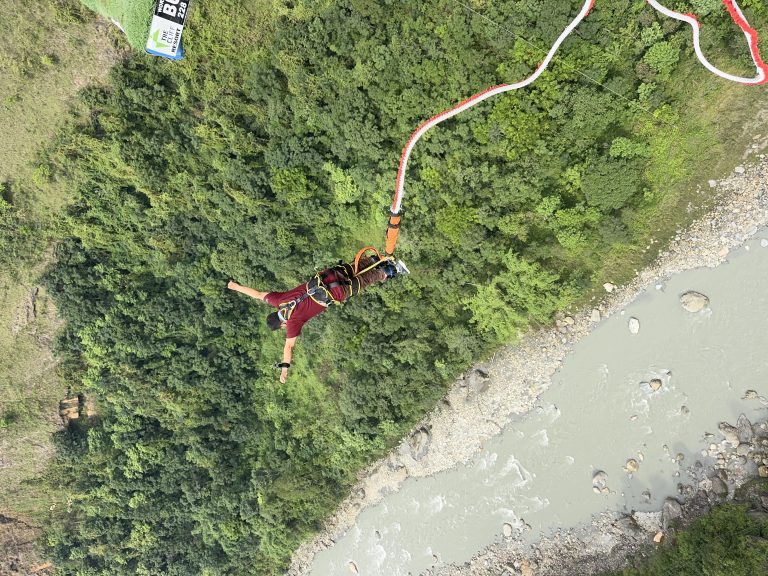

Everest Base Camp Cho La Pass Trek – 17 days
-
Accommodation Hotel in Kathmandu/Tea House during Trek
-
Duration 20
-
Trip Difficulty Difficult
-
Activities Trekking
-
Best Time Spring and Autumn
-
Max. Elevation 5,545m/18,185ft(Kalapatthar)
-
Group Size Min-02 pax
-
Transportation Car & Flight
-
Meals B L D During Trek
-
Start/End Lukla to Lukla
Overview
Some treks are about reaching one destination. This one is about experiencing every side of the Everest region. You’ll walk to Everest Base Camp and watch sunrise from Kala Patthar, just like the classic route — but then, instead of turning around and walking back the way you came, you’ll cross the icy Cho La Pass into the quieter Gokyo Valley, stand beside turquoise glacial lakes most EBC trekkers never see, and climb Gokyo Ri for one of the best mountain panoramas in Nepal. It’s the classic Everest trek and a high-altitude circuit, in one continuous journey.
Why Choose This Trek?
- Complete the classic Everest Base Camp Trek, plus cross the legendary Cho La Pass. You get everything the standard route offers, then keep going into terrain most trekkers never reach.
- Visit the Gokyo Lakes, a chain of glacial lakes famous for a turquoise color that comes from fine rock flour suspended in the glacial meltwater.
- Climb Gokyo Ri for one of the finest panoramic viewpoints in the Himalayas — Everest, Lhotse, Makalu, and Cho Oyu all visible from one summit.
- Experience both the classic Khumbu Valley and the quieter Gokyo Valley — two genuinely different sides of the Everest region on one trip.
- Cross one of Nepal’s most rewarding high mountain passes. At 5,420m, Cho La is a serious physical challenge, and that’s exactly why crossing it feels like such an achievement.
- Enjoy genuinely diverse landscapes — forest and Sherpa villages, then glaciers, high alpine terrain, and mountain lakes, often within the same week.
- Stay in traditional teahouses the entire way, even on the remote sections most trekkers skip.
Why Choose the Cho La Pass Trek Instead of the Classic EBC Trek?
The classic Everest Base Camp Trek focuses on reaching Base Camp and Kala Patthar, then returning along the same trail you came up on. This trek turns that same journey into a circuit — linking Everest Base Camp with the Gokyo Valley by crossing the Cho La Pass. It asks more of you physically, but in return you get fewer crowds, far more varied scenery, and a genuinely deeper look at the Everest region than the out-and-back route can offer.
What Makes This Trek Special?
The Lukla flight — the dramatic gateway into the Everest region
Namche Bazaar — the Khumbu’s main trading hub
Tengboche — home to the region’s largest monastery
Everest Base Camp — the trek’s first major milestone
Kala Patthar — sunrise over Everest from the best viewpoint on the classic route
Cho La Pass — a demanding, genuinely thrilling high-altitude crossing at 5,420m
Gokyo Lakes — turquoise glacial lakes in one of the Khumbu’s quietest valleys
Gokyo Ri — a second, completely different summit panorama of Everest and its neighbors
The Ngozumpa Glacier — the longest glacier in the Himalayas, walked alongside for hours
Who Is This Trek Best For?
This itinerary is built for:
- Experienced trekkers who’ve done multi-day treks before and want a bigger challenge.
- Repeat visitors to Nepal looking for something beyond the standard Everest Base Camp route.
- Adventure seekers who want a genuine high-altitude pass crossing, not just a walk to a viewpoint.
- Landscape photographers, given how many distinct environments this route covers.
- Trekkers wanting more than the standard EBC route — if you’ve already done Base Camp and want the next step up, this is it.
- Travelers comfortable with long, demanding days, including one that can run 8-9 hours over rough, high-altitude terrain.
A Day in the Life
Your alarm rings long before sunrise. Outside, the mountains are silent except for the wind moving through rows of prayer flags. Steam rises from your first cup of tea while guides quietly prepare for another day above the clouds. Some days mean crossing glaciers, boulder-hopping over moraine with your guide calling out the safest line. On Cho La Pass day, there’s a nervous energy in the group before dawn — everyone knows today is the big one. Hours of steady climbing later, you’re standing at the top, breathing hard, looking out over a world of ice and rock that few people ever see in person. By evening, you’re back in a warm teahouse dining room, boots off, hands wrapped around a hot drink, already trying to describe the day to someone who wasn’t there.
Why Travelers Love This Trek
Reaching Everest Base Camp is unforgettable on its own. But crossing Cho La Pass and standing beside the turquoise waters of the Gokyo Lakes makes the whole journey feel more complete. Trekkers who’ve done both routes consistently say this circuit gives them the fullest possible experience of the Everest region — not just the famous postcard shot, but the parts of the Khumbu that most people never get to.
The Moment You’ll Never Forget
There comes a point on this trek when you stop thinking about distance, altitude, or tired legs. Maybe it’s standing on Cho La Pass with prayer flags fluttering overhead. Maybe it’s watching the first light turn Everest gold from Kala Patthar. Or maybe it’s the stillness of the Gokyo Lakes, where the mountains reflect perfectly on turquoise water. Every trekker remembers a different moment—but almost everyone leaves with one memory they’ll carry for life.
One Trek, Five Different Experiences
- Walk through traditional Sherpa villages — Namche Bazaar, Tengboche, and the smaller settlements between them.
- Stand at Everest Base Camp — the milestone every Everest trekker is working toward.
- Watch sunrise from Kala Patthar — the classic, unbeatable view of Everest itself.
- Cross the icy Cho La Pass — the trek’s biggest physical test, and its most talked-about day.
- End beside the turquoise Gokyo Lakes — a completely different, quieter side of the Khumbu to finish on.
Giving Gokyo the Attention It Deserves
Most Everest itineraries spend pages on Base Camp and barely mention Gokyo. That’s a mistake — for a lot of trekkers, Gokyo ends up being the part they remember most fondly. It’s quieter than the main Base Camp trail, with brilliant turquoise lakes reflecting the surrounding snow peaks, a noticeably more peaceful atmosphere, and far less foot traffic than the classic route sees. If Base Camp is the achievement, Gokyo is where the trip actually feels restful. Many trekkers arrive expecting Everest Base Camp to be the highlight, only to leave saying Gokyo was the place they fell in love with.
Crossing Cho La Pass
Crossing Cho La Pass isn’t just another waypoint on the itinerary — it’s the day most trekkers on this route remember best. The climb is genuinely hard: steep, often icy terrain, sometimes requiring careful footing or crampons depending on conditions, over several hours of steady effort. Reaching the top brings a real sense of achievement, followed by views stretching across glaciers, high peaks, and down into the Gokyo Valley on the other side. It’s the kind of day people talk about long after the rest of the trek has blurred together.
Trek Difficulty
This trek is genuinely challenging, and it’s worth being honest about that upfront:
- Longer days than the standard EBC trek, including one that runs 7-8 hours over difficult terrain.
- Real glacier terrain, crossing the Ngozumpa Glacier and navigating moraine near Cho La Pass.
- A high-altitude pass crossing at 5,420m, with real exposure to cold, wind, and thin air.
- Some rocky scrambling on the approach to and descent from Cho La Pass — nothing technical, but you’ll be using your hands at points.
- Not technical mountaineering. No ropes or climbing gear are required, but this is a serious trek, not a casual walk.
- Good fitness is genuinely required. This isn’t the trek to attempt as your first multi-day hike.
Altitude. You’ll spend an extended stretch above 4,500m, crossing Cho La at 5,420m and reaching 5,364m at Base Camp and 5,545m at Kala Patthar. Acclimatization days are built in, and skipping them isn’t recommended.
Permits. You’ll need a Sagarmatha National Park entry permit and a local area permit, both arranged as part of your booking.
Best time to go. Spring (March-May) and autumn (September-November). Cho La Pass can be genuinely dangerous in poor conditions, so a stable weather window matters more here than on most treks.
Some treks are about reaching a destination. This one is about experiencing every side of the Everest region. From the energy of Namche Bazaar and the achievement of Everest Base Camp to the challenge of Cho La Pass and the quiet beauty of the Gokyo Lakes, every stage of this trek reveals something different. If you’re looking for the most complete Everest adventure on offer, this circuit delivers memories that stay with you long after you’ve left the mountains.
Outline Itinerary
Day 1: Arrival in Kathmandu (1,400m)
Day 2: Fly to Lukla, trek to Phakding (2,651m) — 8km, 3-4 hrs
Day 3: Trek from Phakding to Namche Bazaar (3,440m) — 11km, 5-6 hrs
Day 4: Acclimatization day in Namche Bazaar (3,440m)
Day 5: Trek from Namche Bazaar to Phortse Thanga (3,680m) — 6km, 5-6 hrs
Day 6: Trek from Phortse Thanga to Machhermo (4,470m) — 10km, 4-5 hrs
Day 7: Trek from Machhermo to Gokyo (4,800m) — 7km, 5-6 hrs
Day 8: Acclimatization day in Gokyo, optional hike to Gokyo Ri (5,357m) — 2km, 3-4 hrs
Day 9: Trek from Gokyo to Thagnak (4,750m) — 4km, 4-5 hrs
Day 10: Cross Cho La Pass (5,420m), trek to Dzongla (4,830m) — 7km, 7-8 hrs
Day 11: Trek from Dzongla to Lobuche (4,940m) — 6km, 2-3 hrs
Day 12: Trek from Lobuche to Gorak Shep (5,170m) and Everest Base Camp (5,364m) — 13km, 6-7 hrs
Day 13: Hike from Gorak Shep to Kala Patthar (5,545m), trek to Pheriche (4,288m) — 16km, 7-8 hrs
Day 14: Trek from Pheriche to Namche Bazaar (3,440m) — 20km, 6-7 hrs
Day 15: Trek from Namche Bazaar to Lukla (2,860m) — 19km, 6-7 hrs
Day 16: Fly back to Kathmandu
Day 17: Final departure
Detailed Itinerary
After arriving in Kathmandu, a delegate from Snow Bank Adventure will pick you up and take you to your hotel. At night, there will be an appreciated supper hosted by this company.
- Accommodation: Over night at Star Hotel
- Meals: D
After breakfast, we start our voyage through four astonishing UNESCO World Heritage Sites. These incorporate the compositionally rich Durbar Square, the hallowed Hindu sanctuary of Pashupati Nath, the fascinating 'Monkey Temple' (Swayambunath), and Bauddha Nath Stupa which is probably the most enthralling stupa on the planet.
- Accommodation: Overnight at Star hotel
- Meals: B
During the flight from Kathmandu to Lukla (2,860m/9,186ft), we appreciate one of the most wonderful air courses on the planet coming full circle on a slope encompassed by high precipitous pinnacles. From Lukla, we begin trekking. At one hour's slow plummet, we will be at a Cheplung town from where we have a look at Mt. Khumbila (5,760m/18900ft), a consecrated mountain that has never been ascended. From Cheplung, we at that point step by step plunge until we reach Phakding and go through the night.
- Accommodation: Overnight at teahouse
- Meals: B L D
Strolling through a wonderful pine backwoods, we pursue the trail north up the valley of Benkar. At that point, we cross the Dudh Koshi River and continue passing Chumoa to Monjo, the passageway to Everest National Park. At that point crossing a suspension bridge, we pass Jorsale town and stroll nearby of the Dudh Koshi and Bhote Koshi streams. A lofty climb carries us to the prime place - Namche Bazaar.
- Accommodation: Overnight at teahouse
- Meals: B L D
There are a lot of activities around Namche Bazaar, and we can go through multi-day here acclimatizing. Namche Bazzar is the fundamental focus of the Khumbu locale and has government workplaces, ATMs, Internet bistros, shops, eateries, and a brilliant market. Our aides can take us to investigate the genuine appeal of Namche Bazaar. Climbing to Sagarmatha National Park rewards trekkers with perspectives on Mount Everest, Lhotse, Nuptse, Ama Dablam, Thamserku, Kongde, etc.
- Accommodation: Overnight at teahouse
- Meals: B L D
This section of the trek incorporates the plunge to the Dudh-Koshi River to Tengboche. While dropping to Dudh Kish River, we appreciate the perspectives on peaks like Mount Everest, Lhotse, Nuptse, Ama Dablam, Thamserku, Kongde, etc. After achieving Tengboche, we visit Tengboche Monastery the biggest cloister in the area, and absorb the perspectives on Everest, Ama Dablam, and different pinnacles.
- Accommodation: Overnight at teahouse
- Meals: B L D
We plunge and trek through woodlands loaded up with an assortment of lavish trees – birch, conifers, and rhododendrons. This adventure again compensates us with gigantic perspectives on Mt. Everest, Lhotse, and Ama Dablam. The beautiful trail plunges down to Devuche, crosses the Imja River, and takes us to Pangboche. The upper Pangboche trails remunerate us with an increasingly perfect perspective on the Himalayas and the Pangboche Monastery. The trek pushes forward towards the Imja Valley, Lobuche River, and at last starts scaling to Dingboche.
- Accommodation: Overnight at teahouse
- Meals: B L D
Dingboche is a well-known stop for trekkers and climbers making a beeline for Mt. Everest, Ama Dablam, or Imja Tse. The town is delightful with a variety of fields encased by stone dividers to secure grain, buckwheat, and potatoes from the virus wind and munching creatures. We go through multi-day at Dingboche for acclimatization. We take day climbs to either Nagarjun Hill or Chukkhung Valley for incredible perspectives on Makalu, Lhotse, Chalotse, Tawache, and Ama Dablam.
- Accommodation: Overnight at teahouse
- Meals: B L D
Our trail goes through stone-walled fields and Imja Khola valley before entering ice sheet moraines in the midst of transcending the Himalayas. The trail proceeds to Bibre which is a yak herder place. From here, straightforwardly over the valley is the fabulous Ama Dablam and the Amphu Labsa mountains. The trail ahead is met by frigid streams. We proceed with our stroll for around 30 minutes and reach Chhukung. After lunch, we start our trek towards Chhukung Ri. From the top, we can look legitimately over the valley for an awesome perspective on Ama Dablam and Amphu Labcha crests. We slip back to Chhukung to go through the night.
- Accommodation: Overnight at teahouse
- Meals: B L D
We start the present trek all-around promptly in the first part of the day to achieve the most noteworthy piece of the whole outing which is the Kongma La pass. We can either take a trail over a slope which is toward the northwest of Chhukung over the Nuptse Glacier moraines or we can stroll back to Bibre and trek on the trail over the Niyang Khola. The highest point of the pass is set apart by cairns and Buddhist supplication banners. The last plummet from the pass is the most troublesome piece of the present adventure. In the wake of climbing the moraine on the far side, the trail turns north through Khumbu Glacier which takes us to Lobuche.
- Accommodation: Overnight at teahouse
- Meals: B L D
We take the trail to Everest Base Camp through the once immense Gorak Shep Lake. The way from here can be misdirecting; subsequently, it is significant that we pursue our lead Sherpa steadily. The walk is strenuous because of slight air in the high height before achieving the Everest Base Camp. We return to Gorak Shep for a decent night's rest.
- Accommodation: Overnight at teahouse
- Meals: B L D
We plan for an early morning trek, in the midst of pre-sunrise haziness and cold temperatures (- 10 to - 14 C). In addition, there is consistently the potential for cold breezes which are very normal. Natural pinnacles, for example, Lingtren, Khumbutse, and Changtse range toward the east even as Everest uncovers itself. Be that as it may, it is after coming to Kala Patthar that we get to see360 degree perspectives on Mt. Everest. We take pictures, appreciate the sublime mountain display, and after that arrive back to Lobuche for a decent night's rest.
- Accommodation: Overnight at teahouse
- Meals: B L D
From Lobuche, we trek downhill on a trail close to the Khumbu Glacier. Our trail parts into two and we pick the trail to our right side. In transit, we can all the more likely appreciate the perspective on the approaching Awi Peak. We go through a stupa and gravestones out yonder. In the wake of strolling for some time, we start to rise. During the rising, we see Chola Tsho Lake close-by. We proceed further and pass another lake which is parceling littler than the Chola Tsho Lake. We cross the Chola Khola on a scaffold before coming to Dzongla.
- Accommodation: Overnight at teahouse
- Meals: B L D
As we gain stature, the Cho La Lake starts to show up and the Ama Dablam manages the scope of mountains on the south and Cholatse takes off on the west. Climbing the grade isn't simple; it is steep, yet exacerbated by stones over some of which we should scramble. The last movie to the Cho La can be somewhat precarious as the trail bends a lot. The highest point of the pass is set apart by petition banners and cairns. The landscape of glorious tops on all headings is stunning. Albeit long, the way driving down to Thangnak isn't troublesome. Our trail carries us to the edge of the Ngozumpa ice sheet, which is the longest icy mass in Nepal. Achieving the opposite side of the icy mass, we see the second Gokyo Lake on the arrangement of six lakes. A short separation away is the third Gokyo Lake. On the edge of this lake stands the Gokyo Village where we go through the night.
- Accommodation: Overnight at teahouse
- Meals: B L D
We climb Gokyo Ri today and appreciate perspectives on the mind-boggling mountain vista. We can likewise visit the fourth Gokyo Lake today which is just 3km north of the Gokyo Village. Next, keep trekking to the fifth lake. The view from 'Villain's Viewpoint', situated at the edge of the fifth lake, is amazing. Cho-Oyu, Gyachung Kang, Everest, Lhotse, Nuptse, and Makulu mountains and the enormous Ngozumba Glacier are our own to appreciate. We trek back to Gokyo and go through the night.
- Accommodation: Overnight at teahouse
- Meals: B L D
We begin the day promptly toward the beginning of the day to finish the taxing day's trek ahead. Our trail moves nearby Dudh Pokhari (lake) for some time. We stroll for around two hours before diving towards the Renjo La pass. In transit, we are compensated with lavish perspectives on the Himalayan and Rolwaling extents and others. Perspectives from the Reno La pass are much similar to that from Gokyo Ri with the third Gokyo Lake and Gokyo Village underneath the dim smear of the Ngozumpa Glacier. We likewise get exceptional perspectives on Mt. Everest from the highest point of the pass. Proceeding from the pass, our trail winds down a stone staircase and afterward moves over free scree to achieve the south bank of Angladumba Tsho Lake. The presence of ice on the trail while dropping down can make our plunge somewhat unsafe. En route, we see Relama Tsho and Renjo Lake. We stroll down a tight valley stopped up with mammoth stones to Lumde where there is a support camp, yet it is frequently shut. We walk nearly for an hour from Lumde to get to Marlung on the east bank of the Bhote Koshi River.
- Accommodation: Overnight at teahouse
- Meals: B L D
The plunge from Marulung to Thame pursues a customary course utilized for a considerable length of time by the Tibetan brokers. We cross the Bhote Koshi River and plummet to Taranga. The trail keeps on diving and we cross two scaffolds before coming to Thame. Sitting above Thame is its well-known Gompa arranged on a slope toward the west. From here, we plummet bit by bit on a trail that goes through a couple of little towns before coming to Namche Bazaar which is likely the greatest town in the Everest locale.
- Accommodation: Overnight at teahouse
- Meals: B L D
The trail drops steeply descending so we have to walk carefully as our unstable legs constantly fight the rough territory. In the wake of traverse the quick streaming Dudh Koshi and its tributaries, the trail turns out to be progressively level and common. After our landing in Lukla, we extend those sore legs and review the encounters of the most recent few weeks.
- Accommodation: Overnight at teahouse
- Meals: B L D
We fly to Kathmandu early in the morning. In the wake of landing in Kathmandu, we will be accompanied to our inn. We appreciate the day relaxed or make up for lost time with some very late shopping or investigate any tourist spots we missed during our first day in Kathmandu. To commend the fruitful culmination of our voyage, we will have a goodbye supper at night.
- Accommodation: Overnight at teahouse
- Meals: B D
Our adventure in Nepal reaches an end today! A Snow Bank Adventure delegate will drop you off at the air terminal roughly 3 hours before your booked flight. On our approach to home, you will have a lot of time to design your next experience in the magnificent nation of Nepal.
- Accommodation:
- Meals: B
Includes & Excludes
Includes
- Airport Transportation
- Farewell dinner
- Kathmandu sightseeing by private vehicle
- Professional government-registered tourist guide
- Accommodation 3 nights in Kathmandu with Bed and breakfast
- Kathmandu to Lukla by domestic flight
- Lukla to Kathmandu by domestic flight
- Transportation from starting and ending point of trekking by private vehicle
- Three meals and tea, coffee during the trek
- Safe drinking water( treated with chlorine and iodine)
- Permit of the trek(TIMS, Conservation, and National park fee)
- All types of necessary government paperwork and government taxes
- Guide and porter(meals, wages ,Insurance & transpiration )
- An English-speaking government-registered guide
- Trekking equipment like a raincoat, sleeping bag, down jacket, and walking pole
Excludes
- Personal expenses
- Personal & medical insurance
- Rescue evacuation by Helicopter in Emergency case
- Beverage and Bar bills( soft drinks, hard drinks, and mineral water)
- Boiled water
- Lunch & Dinner in Kathmandu except for welcome and farewell dinner
- Electronic devise recharge
- Wi-fi during the trek
- Tips for Guide and porter
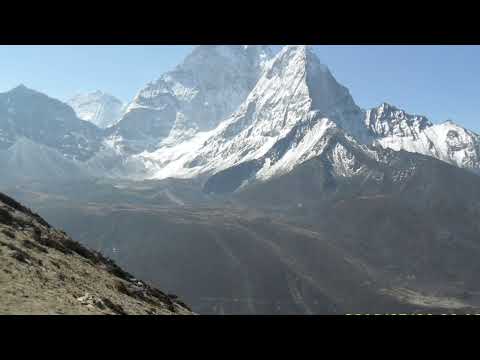
Trek Video
Packing List
- Duffel Bag ( 25 kg): Provided by Snow Bank Adventure Team and Carried by Porters from Lukla to Gorakshep, used for all non daytime gear and built to handle rain, snow and suspension bridge crossing.
- Daypack ( 25- 30L) with Rain Cover: Essential for daily trekking between Villages such as Namche, Dingboche, and Lobuch; carries water, layers bag, snacks, documents and personal use items.
- Sleeping Bag ( -20°C): Supplied by snow Bank Adventure Team and required for unheated tea houses above Dingboche, where nighttime temperatures regularly drop below freezing.
- Down Jacket ( -20°C): Mandatory for morning and evening above 4000m and for the pre-dawn ascent to Kala Patthar.
- Water Bottles ( 2L total) or Hydration Reservoir: Bottles are More reliable above Lobuche, where hydration hoses frequently freeze during cold seasons.
- Headlamp + Spare Batteries: Needed for early starts to Kala Patthar, Lodge power cuts, and nighttime Movement in Gorakshep and Lobuche.
- Universal Travel Adapter ( Type C/D/M): Charging is limited and often solar-powered above Namche; multi- USB adapters save time and cost.
- Dry Bags/ Zip locks: Critical for protecting electronics, clothing, and documents from snow, dust and sudden weather changes in the Khumbu.
TripAdvisor Reviews
FAQs
The trek is considered moderate to challenging. You'll walk 4–6 hours most days, with the climb to Gokyo Ri (5,357m) being the most demanding section due to the altitude. No technical climbing is involved.
Previous trekking experience is helpful but not essential. Anyone with good physical fitness, determination, and proper preparation can successfully complete the trek.
The highest point is Gokyo Ri (5,357m / 17,575ft), one of the best viewpoints in the Everest region.
This itinerary includes one acclimatization day in Namche Bazaar, allowing your body to adjust gradually before continuing to higher elevations.
Yes. Although this trek doesn't visit Everest Base Camp, it still reaches over 5,300 meters. Walking at a steady pace, staying hydrated, and following your guide's advice greatly reduces the risk.
The Gokyo Lakes are a chain of six glacial freshwater lakes inside Sagarmatha National Park. They are considered among the highest freshwater lake systems in the world and are sacred to both local Sherpa communities and Buddhists.
It depends on your travel style. The Everest Base Camp Trek focuses on reaching the world's most famous base camp, while the Gokyo Lakes Trek offers quieter trails, beautiful glacial lakes, and panoramic mountain views with fewer crowds.
Spring (March-May) and autumn (September-November) provide the best weather, stable trail conditions, and clear mountain views.
You'll need a Sagarmatha National Park Entry Permit and the Khumbu Pasang Lhamu Rural Municipality Permit. These are usually arranged by your trekking operator.
Yes. Comprehensive travel insurance that covers high-altitude trekking and emergency helicopter evacuation is strongly recommended before starting the trek.