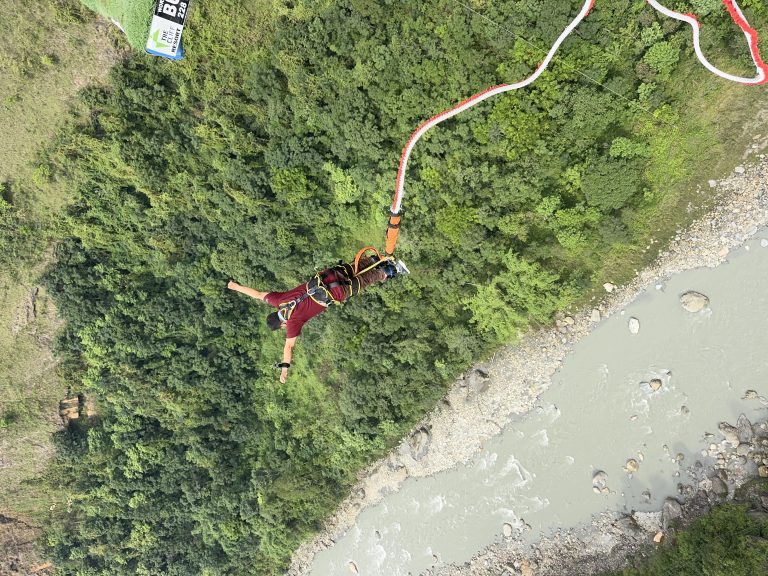

Ghorepani Poon Hill Trek- 9 days
-
Accommodation Tourist-standard hotels in Kathmandu & Pokhara; comfortable teahouses during the trek
-
Duration 09
-
Trip Difficulty Easy
-
Activities Trekking, sightseeing,
-
Best Time Spring (March–May) & Autumn (September–November)
-
Max. Elevation Poon Hill (3,210 m / 10,531 ft)
-
Group Size Min-02 pax
-
Transportation Domestic flights (Kathmandu–Pokhara–Kathmandu), private vehicle transfers
-
Meals Breakfast in Kathmandu & Pokhara; Breakfast, Lunch & Dinner during the trek
-
Start/End Pokhara to Pokhara
Overview
This is the unhurried version of the Poon Hill trek. Instead of squeezing the walk into a handful of days, this nine-day itinerary gives you a full day to explore Kathmandu, real time to enjoy Pokhara’s lakeside before and after the trek, and a gentler daily pace on the trail itself. You still experience the famous sunrise from Poon Hill (3,210m), the same sweeping views of Dhaulagiri and Annapurna, and the same welcoming mountain villages; you simply have more time to enjoy everything around them instead of rushing from one highlight to the next.
The trip starts in Kathmandu, with a full sightseeing day before you fly to Pokhara and begin trekking through Ulleri and Ghorepani toward Poon Hill. After sunrise, the trail loops back down through Tadapani and Ghandruk to Pokhara, where you’ll have time to properly unwind by Phewa Lake before flying back to Kathmandu.
Why Choose This Trek?
- Sunrise from Ghorepani Poon Hill — one of Nepal’s most celebrated Himalayan viewpoints, and still the heart of this trek.
- Panoramic views of Annapurna, Dhaulagiri, Machhapuchhre, Nilgiri, and Hiunchuli, all visible from the same stretch of trail.
- Rhododendron forest, especially vivid if you trek during spring.
- Authentic Gurung and Magar villages, with real mountain hospitality rather than a tourist performance of it.
- A full day exploring Kathmandu’s UNESCO World Heritage Sites before you head into the mountains.
- Real time in Pokhara, Nepal’s lakeside adventure city, both before and after the trek.
- A genuinely relaxed trekking pace, with comfortable daily distances rather than back-to-back long days.
- Excellent photography opportunities from colorful forests and traditional villages to golden Himalayan sunrises and panoramic mountain views..
- Cozy teahouse stays throughout the trek, with hot meals and proper beds every night.
- A genuine mix of culture, nature, and mountain scenery, spread across a trip that doesn’t feel rushed at any point.
Who Is This Trek Best For?
This itinerary is ideal for:
- First-time trekkers who want a complete Nepal experience, not just a trail
- Couples looking for a scenic, relaxed Himalayan holiday
- Families with older children who can manage moderate daily walking
- Nature lovers who want to spend more time walking through forests and traditional mountain landscapes.
- Photographers chasing mountain sunrises and colorful rhododendron forest
- Travelers wanting to combine Kathmandu, Pokhara, and trekking into one trip
- Older travelers after real mountain scenery without extreme altitude
- Anyone with about nine days to explore Nepal without feeling like they’re constantly on the move
Why Choose the 9-Day Trek Instead of the 4-Day or 7-Day Ghorepani Poon Hill Trek?
All three versions of this trek reach the same destination — Poon Hill’s sunrise, the same mountain views, the same villages along the way. The difference is pace and how much of Nepal you see around the trek itself.
The 4-day trek is built for efficiency: start and end in Pokhara, no Kathmandu time, minimum days needed. The 7-day trek is the balanced option: a couple of Kathmandu days bookending a slightly more relaxed trekking pace. This 9-day trek is the immersive version — a proper Kathmandu sightseeing day, real time to enjoy Pokhara’s lakeside both before and after trekking, a genuinely less rushed daily schedule on the trail itself, more natural opportunities for cultural conversations in the villages you pass through, and simply more time to recover between trekking days rather than pushing straight through.
If your priority is speed, go with the 4-day version. If you want a good middle ground, the 7-day trek works well. But if you’d rather experience Nepal properly — not just tick off Poon Hill’s sunrise — this nine-day itinerary is built for that.
Kathmandu Before the Mountains
Before you head into the hills, you’ll spend a full day taking in Kathmandu’s UNESCO World Heritage Sites. Swayambhunath, the hilltop stupa known locally as the “Monkey Temple,” offers sweeping views over the whole valley. Boudhanath, one of the largest stupas in the world, is a genuinely important pilgrimage site for Tibetan Buddhists, especially in the early morning and evening when locals walk the kora around it. Pashupatinath, on the banks of the Bagmati River, is one of the most significant Hindu temples anywhere, with cremation ceremonies visible from across the river for those who want to observe respectfully. And Kathmandu Durbar Square, the historic royal palace complex, gives you a sense of the valley’s centuries of history before you leave the city behind entirely.
After a day surrounded by temples, stupas, and centuries-old architecture, the shift to green hills and mountain trails feels like exactly the right way to start the trek — a proper transition, not just a flight and a trailhead.
Why Pokhara Is the Perfect Gateway
Pokhara is a genuinely different kind of city from Kathmandu — calmer, built around Phewa Lake, with the Annapurna range reflected in the water on a clear morning. You’ll have time here both before and after the trek, which matters more than it might sound: before, it’s a relaxed place to settle in and get ready; after, it’s exactly where you want to be to unwind, with lakeside cafes and a slower pace that suits sore legs. It’s the kind of place that gives you something to look forward to on both ends of the trek, not just a transit stop between flights.
A Day in the Life in Ghorepani Poon Hill
Mornings start unhurried — breakfast in a teahouse dining room, boots on, no rush to beat anyone up the trail. Walking alternates between forest paths, stone steps, and small villages, with regular stops to actually take in the views rather than push through them. Lunch usually lands somewhere with a proper mountain outlook. In the afternoon, there’s real time to explore whichever village you’re staying in, rather than arriving exhausted right before dark. Evenings settle into the same rhythm most nights on this trek: tea, conversation with other trekkers, and an early night — except for the Poon Hill morning itself, which flips the whole routine into a pre-dawn climb by headlamp.
Why Poon Hill Sunrise Is Worth It
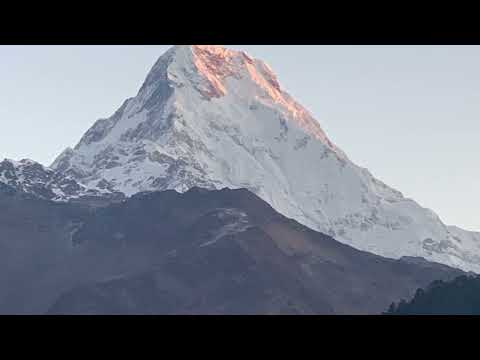
You’ll leave Ghorepani in the dark, climbing steadily as the cold really sets in. Then the sky starts to shift — first a pale glow, then real color, then the mountains themselves lighting up one by one. Dhaulagiri catches the light first, As the sunlight spreads across the Annapurna range, the entire horizon changes color in just a few minutes—a quiet moment that makes the early wake-up call feel completely worthwhile.
Walking Through Nepal’s Rhododendron Kingdom
If you trek in spring, the forest between Ulleri and Ghorepani turns into one of the most colorful stretches of trail in the country — entire hillsides in red, pink, and white as Nepal’s national flower blooms by the thousand. Outside flowering season, the forest is still one of the most enjoyable parts of the trek—cool, peaceful, and filled with birdsong beneath towering oak and rhododendron trees.
Trek Difficulty & What to Expect
This trek is graded easy to moderate, with a genuinely relaxed pace compared to the shorter versions. Daily walking runs 3-7 hours, with a well-established trail and no technical climbing involved.
Altitude. The highest point is Poon Hill at 3,210m, comfortably below the range where altitude sickness becomes a real concern.
Permits. You’ll need an Annapurna Conservation Area Permit (ACAP) and a licensed guide, both arranged as part of your booking.
Best time to go. Spring (March-May) for rhododendron blooms, or autumn (September-November) for the clearest mountain views.
Why Travelers Love the 9-Day Itinerary
Not everyone wants to squeeze a Himalayan trek into the shortest possible schedule. Many travelers enjoy having time to explore Kathmandu before the mountains, relax by Phewa Lake after the trek, and spend a little longer in each destination without constantly watching the clock. That’s what makes this itinerary different. The mountains are still the highlight, but the journey between them becomes part of the experience too. By the end of the trip, most travelers feel like they’ve explored Nepal, not just completed a trek.
Outline Itinerary
Day 1: Arrival in Kathmandu (1,400m)
Day 2: Kathmandu sightseeing
Day 3: Fly to Pokhara (827m), trek to Ulleri (1,940m) — 30-min flight, 5-6 hrs trek
Day 4: Trek from Ulleri to Ghorepani (2,750m) — 4-5 hrs
Day 5: Trek from Ghorepani via Poon Hill (3,210m) to Tadapani (2,630m) — 6-7 hrs
Day 6: Trek from Tadapani to Ghandruk (1,940m) — 3-4 hrs
Day 7: Trek and drive from Ghandruk to Pokhara (827m) — 3-4 hrs trek, 1 hr drive
Day 8: Fly back to Kathmandu Day 9: Final departure
Detailed Itinerary
Day 1: Arrive in Kathmandu (1,400m)
Land at Tribhuvan International Airport, where you'll be met and transferred to your hotel.
Day 2: Kathmandu sightseeing
A full day exploring Kathmandu's UNESCO World Heritage Sites — Swayambhunath, Boudhanath, Pashupatinath, and Kathmandu Durbar Square — a proper introduction to Nepal's culture and history before heading into the mountains.
Day 3: Fly to Pokhara (827m), trek to Ulleri (1,940m)
30-min flight, 5-6 hrs trek A short, scenic flight to Pokhara, followed by a drive to the trailhead and an afternoon of walking along the river up through Birethanti and into Ulleri, including the village's famous stretch of more than 3,000 stone steps.
Day 4: Trek from Ulleri to Ghorepani (2,750m)
4-5 hrs A steady, unrushed climb through dense rhododendron forest, with waterfalls along the way and cooler air as you gain altitude. Ghorepani is your base for tomorrow's early climb to Poon Hill.
Day 5: Trek from Ghorepani via Poon Hill (3,210m) to Tadapani (2,630m)
6-7 hrs An early, dark start for the short climb to Poon Hill. On a clear morning, you'll see Dhaulagiri, Annapurna I, Nilgiri, Machhapuchhre, Lamjung Himal, and Hiunchuli — including two of the world's 8,000-meter peaks — all catching the same sunrise. After breakfast back in Ghorepani, the trail continues through more rhododendron forest to Tadapani.
Day 6: Trek from Tadapani to Ghandruk (1,940m)
3-4 hrs A shorter, easier day descending into Ghandruk, one of the largest Gurung villages in the region, with its own small museum on Gurung culture worth a visit if you have the time.
Day 7: Trek and drive from Ghandruk to Pokhara (827m)
3-4 hrs trek, 1 hr drive A gentle final trekking day down to the roadhead, followed by a drive back into Pokhara — with the rest of the day free to relax by Phewa Lake.
Day 8: Fly back to Kathmandu
A short, scenic flight back to the capital.
Day 9: Final departure
Transfer to the airport for your international flight home.
Note: trail conditions and daily pace can shift slightly depending on weather and season — your guide will confirm the exact plan day to day.
Includes & Excludes
Includes
- Airport Transportation
- Farewell dinner
- Kathmandu sightseeing by private vehicle
- Professional government-registered tourist guide
- Accommodation 3 nights in Kathmandu and 2 nights in Pokhara with Bed and breakfast
- Kathmandu to Pokhara by standard tourist bus
- Pokhara to Kathmandu by domestic flight
- Transportation from the starting and ending point of trekking by private vehicle
- Three meals and tea, coffee during the trek
- Safe drinking water( treated with chlorine and iodine)
- Permit of the trek(TIMS, Conservation, and National park fee)
- All types of necessary government paperwork and government taxes
- Guide and Porter(meals, wages, Insurance & transpiration )
- An English speaking government registered trekking guide and porter
- Trekking equipment like a raincoat, sleeping bag, down jacket, and walking pole
Excludes
- Personal expenses
- Personal & medical insurance
- Rescue evacuation by Helicopter in Emergency case
- Beverage and Bar bills( soft drinks, hard drinks, and mineral water)
- Boiled water
- Lunch & Dinner in Kathmandu except for welcome and farewell dinner
- Electronic devise recharge
- Wi-fi during the trek
- Tips for Guide and Porter
Trek Video
TripAdvisor Reviews
FAQs
The trek is rated easy to moderate. You'll walk around 4–7 hours most days on well-maintained trails, with some steep stone staircases, especially near Ulleri. No technical climbing experience is required.
The highest point is Poon Hill (3,210m / 10,531 ft), famous for its panoramic sunrise views over the Annapurna and Dhaulagiri ranges.
The risk is very low. Since the trek remains below 3,500 meters, most travelers experience little to no altitude-related issues. Staying hydrated and walking at a comfortable pace is usually sufficient.
The best seasons are spring (March–May) for blooming rhododendron forests and autumn (September–November) for clear skies and excellent mountain visibility. Winter also offers beautiful snowy scenery, while summer brings lush landscapes but more rainfall.
Yes. This is one of Nepal's most beginner-friendly Himalayan treks and is an excellent choice for first-time trekkers who want stunning mountain scenery without extreme altitude.
Accommodation is provided in comfortable local teahouses during the trek, with private or twin-sharing rooms depending on availability. Hotels in Kathmandu and Pokhara are included according to your selected package.
You'll need an Annapurna Conservation Area Permit (ACAP). A licensed trekking guide is also required under current Nepal trekking regulations, and both are arranged as part of the package.
On a clear morning, you can enjoy spectacular views of Annapurna South, Annapurna I, Dhaulagiri, Machhapuchhre (Fishtail), Nilgiri, Hiunchuli, Lamjung Himal, and several surrounding Himalayan peaks.
The 9-day itinerary offers a more relaxed experience by including a full sightseeing day in Kathmandu, extra time to enjoy Pokhara, and a gentler trekking pace. It's ideal for travelers who want to experience Nepal beyond the trail rather than rushing through the trip.
Yes. With moderate daily walking distances, comfortable teahouse accommodation, and a relatively low maximum elevation, this itinerary is well suited for families with older children and active senior travelers.
No previous trekking experience is necessary. A reasonable level of fitness and the ability to walk for several hours each day are generally enough to complete the trek comfortably.
Bring sturdy trekking boots, layered clothing, a waterproof jacket, a warm fleece or down jacket, gloves, a hat, sunglasses, sunscreen, a reusable water bottle, and a small daypack. Packing requirements vary slightly depending on the season.