
Everest Three High Pass Trek – 20 days
-
Accommodation Hotel in Kathmandu / Tea House during Trek
-
Duration 20
-
Trip Difficulty Challenging
-
Activities Trekking, Hiking, Sightseeing, Mountain Pass Crossing
-
Best Time Spring (March–May) & Autumn (September–November)
-
Max. Elevation Kala Patthar (5,545m/18,192ft)
-
Group Size Min-02 pax
-
Transportation Flight & Private Vehicle
-
Meals Breakfast in Kathmandu; Breakfast, Lunch & Dinner during Trek
-
Start/End Kathmandu / Kathmandu
Overview
Some people dream of standing at Everest Base Camp. Others dream of the turquoise Gokyo Lakes. A few specifically want the challenge of crossing Cho La Pass. This trek doesn’t make you pick — it links all three together, along with two more high passes, into one continuous 20-day loop through the Khumbu. You’ll cross three Himalayan passes above 5,300m, stand at Everest Base Camp, watch sunrise from Kala Patthar, and finish at the shores of Gokyo Lake — all without doubling back over the same ground twice.
This isn’t a trek for a first Himalayan trip. It’s built for people who’ve already done a shorter trek, know what altitude feels like, and want to see everything the Everest region has to offer in a single journey rather than coming back three separate times.
Why Choose the Everest Three High Passes Trek Instead of the Classic EBC Trek?
The classic Everest Base Camp trek is built around one goal: get to Base Camp, see Kala Patthar, then walk back the way you came. It’s a genuinely great trek, but it only shows you one slice of the Khumbu.
The Everest Three High Passes Trek covers all of it. Alongside Everest Base Camp and Kala Patthar, you’ll cross Kongma La, Cho La, and Renjo La — three passes most EBC trekkers never go anywhere near — and take in the Gokyo Lakes, Gokyo Ri, and the Ngozumpa Glacier along the way. Instead of an out-and-back trek to one destination, this is a full circuit through nearly every major highlight the region has, minus the repetition of walking the same trail twice.
What Makes This Trek Special?
Three Himalayan passes above 5,300m — a physical test most trekkers never attempt, let alone complete
Everest Base Camp — the milestone every Everest trekker works toward
Sunrise from Kala Patthar — arguably the best classic viewpoint of Everest anywhere on the trail
Gokyo Ri — a second, completely different summit panorama, rated by many above Kala Patthar itself
The Gokyo Lakes — turquoise glacial lakes in one of the Khumbu’s quietest valleys
Real Sherpa culture — villages, monasteries, and daily life woven through the entire route, not just the busy first few days
The Ngozumpa Glacier — the longest glacier in the Himalayas, walked alongside for hours
Sagarmatha National Park — a UNESCO World Heritage Site and home to all of the above
Why It’s Called the Ultimate Everest Trek
Most people experience the Everest region one trek at a time — Base Camp on one trip, Gokyo on another, maybe a single pass crossing on a third. The Three Passes Trek combines Everest Base Camp, Kala Patthar, Kongma La, Cho La, Renjo La, the Gokyo Lakes, Gokyo Ri, the Ngozumpa Glacier, and Sherpa villages throughout Sagarmatha National Park into one continuous journey. Nothing here is a detour or an add-on — it’s the complete version of what the Khumbu has to offer, done once instead of three separate times.
Three Passes, Three Different Experiences
Kongma La (5,535m)
The highest of the three, and the wildest. The terrain here is rockier and more remote than the other two passes, and you’ll see far fewer trekkers on this stretch than anywhere else on the route. It’s usually crossed first, which means tackling the hardest pass while you’re still finding your rhythm.
Cho La (5,420m)
This is the glacier crossing — ice, rock, and a trail that shifts underfoot depending on the season. Of the three passes, Cho La is the one that feels the most technical, sometimes requiring crampons on icy sections. It links the Everest Base Camp side of the region with the Gokyo Valley.
Renjo La (5,360m)
The lowest of the three, and often called the most beautiful. Yak trains cross it carrying supplies, which tells you something about how it compares to the other two. From the summit, you get one of the best panoramic views of the Gokyo Lakes anywhere on the trek — a fitting grand finale after two harder passes.
A Day in the Life
Cold mornings here mean something different than on an easier trek. Your boots have frozen stiff overnight, and it takes real effort to get moving before the sun clears the ridgeline. Breakfast is quick — you want to be on the trail before the wind picks up. The climbs are steep and the air is thin enough that you notice every step. Prayer flags mark the passes and high points, snapping hard in the wind. In the evening, boots off, you sit with other trekkers over tea, comparing notes on the day’s climb, before stepping outside for a few minutes to look at a sky full of stars that you genuinely don’t see anywhere near a city.
The Landscapes Keep Changing
Few treks in Nepal shift as often as this one. Roughly every two to three days, the entire environment changes:
Pine forest in the lower valleys near Lukla and Phakding
Rhododendron forest on the climb toward Namche and Tengboche
Open glacial terrain around Chhukung and the approach to Kongma La
Ice and moraine crossing the Ngozumpa Glacier and Cho La Pass
Rocky alpine desert in the high passes between Dzongla and Gokyo ❄ Snow-covered passes at Kongma La, Cho La, and Renjo La
Turquoise lakes at Gokyo, a sudden and striking contrast after days of rock and ice
Why Experienced Trekkers Love This Route
Trekkers who’ve already done Everest Base Camp tend to come back for this one specifically because of what it doesn’t repeat. There’s less retracing the same trail, more genuine physical challenge, noticeably fewer other trekkers on the pass sections, more distinct viewpoints across the whole route, and far more variety in terrain and scenery than an out-and-back trek can offer. It’s also, simply, the complete circuit — you finish having seen the whole region, not just one corner of it.
Trek Difficulty
This needs to be said plainly: this is not a beginner trek. It’s one of the more demanding standard treks in Nepal, and it deserves to be approached that way.
- Three passes above 5,300m, each requiring a full day of sustained climbing at high altitude.
- Long daily walking hours — most days run 6-8 hours, some longer.
- Real technical terrain on parts of Cho La, including glacier crossing and sometimes ice underfoot.
- Extended time above 4,500m, with several nights above 5,000m.
- Genuine altitude sickness risk. Multiple acclimatization days are built in, but this trek asks a lot of your body over three weeks.
- Strong prior fitness and trekking experience matter. This isn’t the trek to attempt as your first multi-day hike, or even your first Himalayan trek.
Permits. You’ll need a Sagarmatha National Park entry permit and a Khumbu Rural Municipality permit, both arranged as part of your booking.
Best time to go. Spring (March-May) and autumn (September to mid-December) offer the most stable weather — and stable weather matters more here than on almost any other trek in Nepal, given how much time you’ll spend on exposed, high-altitude terrain.
The Everest Three High Passes Trek isn’t measured in kilometers walked or meters climbed. It’s measured in the moments that change how you see the mountains — and yourself. By the time you’re back in Lukla, you’ll have crossed three legendary passes, stood beneath Everest, watched dawn break over Kala Patthar, looked out across the turquoise Gokyo Lakes, and finished a journey that comparatively few trekkers ever complete. For anyone after the most complete Himalayan adventure on offer, there’s honestly not much beyond this.
Outline Itinerary
Day 1: Arrival in Kathmandu (1,400m)
Day 2: Kathmandu sightseeing
Day 3: Fly to Lukla, trek to Phakding (2,651m) — 8km, 3-4 hrs
Day 4: Trek from Phakding to Namche Bazaar (3,440m) — 11km, 5-6 hrs
Day 5: Acclimatization day in Namche Bazaar (3,440m)
Day 6: Trek from Namche Bazaar to Tengboche (3,870m) — 10km, 4-5 hrs
Day 7: Trek from Tengboche to Dingboche (4,360m) — 9km, 5-6 hrs
Day 8: Acclimatization day in Dingboche (4,360m)
Day 9: Trek from Dingboche to Chhukung (4,750m), climb Chhukung Ri (5,546m) — 14km, 6-7 hrs
Day 10: Cross Kongma La Pass (5,535m), trek to Lobuche (4,940m) — 10km, 6-7 hrs
Day 11: Trek from Lobuche to Gorak Shep (5,170m) and Everest Base Camp (5,364m) — 13km, 6-7 hrs
Day 12: Hike from Gorak Shep to Kala Patthar (5,545m), trek to Lobuche — 16km, 7-8 hrs
Day 13: Trek from Lobuche to Dzongla (4,830m) — 6km, 2-3 hrs
Day 14: Cross Cho La Pass (5,420m), trek to Gokyo (4,800m) — 6km, 7-8 hrs
Day 15: Rest day in Gokyo, climb Gokyo Ri (5,357m), visit the fourth and fifth Gokyo Lakes — 3-4 hrs
Day 16: Cross Renjo La Pass (5,360m), trek to Marlung (4,210m) — 11km, 7-8 hrs
Day 17: Trek from Marlung to Namche Bazaar (3,440m) — 15km, 5-6 hrs
Day 18: Trek from Namche Bazaar to Lukla (2,860m) — 19km, 6-7 hrs
Day 19: Fly back to Kathmandu Day 20: Final departure
Detailed Itinerary
Day 1: Arrive in Kathmandu (1,400m)
Land at Tribhuvan International Airport, where you'll be met and transferred to your hotel.
Day 2: Kathmandu sightseeing
A day exploring Kathmandu's UNESCO World Heritage Sites, with time to double-check gear before a genuinely demanding three weeks ahead.
Day 3: Fly to Lukla, trek to Phakding (2,651m)
8km, 3-4 hrs A scenic flight into Lukla's mountain airstrip, then an easy afternoon walk downhill through pine forest to Phakding on the Dudh Koshi River.
Day 4: Trek from Phakding to Namche Bazaar (3,440m)
11km, 5-6 hrs The trail follows the Dudh Koshi River, crossing suspension bridges before entering Sagarmatha National Park at Monjo. A steep final climb brings you into Namche Bazaar, the Khumbu's main trading hub.
Day 5: Acclimatization day in Namche Bazaar (3,440m)
A rest day with plenty to see — shops, bakeries, a genuinely lively market — plus an optional hike toward the national park viewpoint for early views of Everest and its neighbors.
Day 6: Trek from Namche Bazaar to Tengboche (3,870m)
10km, 4-5 hrs The trail drops to the Dudh Koshi River before climbing to Tengboche, home to the largest monastery in the Khumbu, with a genuinely outstanding view of Everest, Nuptse, Lhotse, and Ama Dablam from the monastery grounds.
Day 7: Trek from Tengboche to Dingboche (4,360m)
9km, 5-6 hrs Through birch, conifer, and rhododendron forest, the trail descends to Deboche, crosses the Imja River, and passes through Pangboche before climbing into Dingboche.
Day 8: Acclimatization day in Dingboche (4,360m)
Dingboche's stone-walled fields are a distinctive sight. Most trekkers use the day for a hike up Nagarjun Hill or into the Chukhung Valley, with views of Makalu, Lhotse, and Ama Dablam.
Day 9: Trek from Dingboche to Chhukung (4,750m), climb Chhukung Ri (5,546m)
14km, 6-7 hrs A relatively short walk to Chhukung, followed by an optional climb up Chhukung Ri — good acclimatization practice and a solid preview of the altitude you'll be dealing with over the next few days.
Day 10: Cross Kongma La Pass (5,535m), trek to Lobuche (4,940m)
10km, 6-7 hrs The first and highest of the trek's three passes. The climb is steep and rocky, over genuinely wild, little-trafficked terrain, with a long descent to Lobuche on the other side.
Day 11: Trek from Lobuche to Gorak Shep (5,170m) and Everest Base Camp (5,364m)
13km, 6-7 hrs The trail runs alongside the Khumbu Glacier before reaching Everest Base Camp itself. You'll return to Gorak Shep for the night.
Day 12: Hike from Gorak Shep to Kala Patthar (5,545m), trek to Lobuche
16km, 7-8 hrs An early, cold start to reach Kala Patthar before sunrise for a 360-degree view of Everest and its neighbors, followed by a descent back to Lobuche.
Day 13: Trek from Lobuche to Dzongla (4,830m)
6km, 2-3 hrs A shorter day, positioning you for tomorrow's crossing of Cho La Pass.
Day 14: Cross Cho La Pass (5,420m), trek to Gokyo (4,800m)
6km, 7-8 hrs The second pass, and the one with the most technical feel — glacier terrain, ice, and rock, sometimes requiring careful footing or crampons depending on conditions. The descent brings you into the Gokyo Valley, a genuinely different landscape from everything you've walked through so far.
Day 15: Rest day in Gokyo, climb Gokyo Ri (5,357m), visit the fourth and fifth Gokyo Lakes
3-4 hrs A rest day that still includes one of the trek's best views. Gokyo Ri's summit takes in Everest, Lhotse, Makalu, and Cho Oyu at once, along with the full length of the Ngozumpa Glacier below. Those with energy to spare can continue on to the quieter fourth and fifth Gokyo Lakes.
Day 16: Cross Renjo La Pass (5,360m), trek to Marlung (4,210m)
11km, 7-8 hrs The third and final pass, and widely considered the most scenic — yak trains cross it regularly, which says something about how it compares to the first two. From the top, the view back over the Gokyo Lakes is one of the best on the entire trek.
Day 17: Trek from Marlung to Namche Bazaar (3,440m)
15km, 5-6 hrs A long descent back toward Namche, rejoining the standard trail and, for the first time in over a week, seeing more familiar Everest-region traffic.
Day 18: Trek from Namche Bazaar to Lukla (2,860m)
19km, 6-7 hrs The final trekking day, following the trail back down to Lukla.
Day 19: Fly back to Kathmandu
A short scenic flight back to the capital, closing out the trekking portion of the trip.
Day 20: Final departure T
ransfer to the airport for your international flight home.
Note: this itinerary crosses three genuinely high, weather-sensitive passes — your guide will assess conditions before each crossing and may adjust timing if needed. Lukla flights are also weather-dependent, so it's worth building spare days into your travel plans either side of this trek.
Includes & Excludes
Includes
- Airport Transportation
- Farewell dinner
- Kathmandu sightseeing by private vehicle
- Professional government-registered tourist guide
- Accommodation 3 nights in Kathmandu with Bed and breakfast
- Kathmandu to Lukla by domestic flight
- Lukla to Kathmandu by domestic flight
- Transportation from starting and ending point of trekking by private vehicle
- Three meals and tea, coffee during the trek
- Safe drinking water( treated with chlorine and iodine)
- Permit of the trek(TIMS, Conservation, and National park fee)
- All types of necessary government paperwork and government taxes
- Guide and porter(meals, wages ,Insurance & transpiration )
- An English-speaking government-registered guide
- Trekking equipment like a raincoat, sleeping bag, down jacket, and walking pole
Excludes
- Personal expenses
- Personal & medical insurance
- Rescue evacuation by Helicopter in Emergency case
- Beverage and Bar bills( soft drinks, hard drinks, and mineral water)
- Boiled water
- Lunch & Dinner in Kathmandu except for welcome and farewell dinner
- Electronic devise recharge
- Wi-fi during the trek
- Tips for Guide and Porter
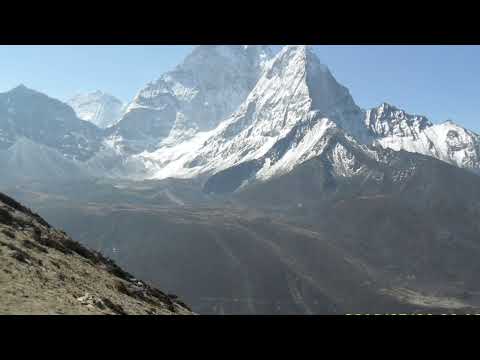
Trek Video
Packing List
- Duffel Bag ( 25 KG): Provided by Snow Bank Adventure and carried by porters from Lukla to Gorakshep, used for all non daytime gear and built to handle rain, snow, and suspension bridge crossing.
- Daypack (25 - 30 L) with Rain Cover: Essential for daily trekking between Villages such as Namche, Dingboche, and Lobuche; carries water, layers bag snacks, documents, and personal use items.
- Sleeping Bag ( - 20°c): Supplied by Snow Bank Adventure and required for unheated tea houses above Dingboche, where nighttime temperatures regularly drop below freezing.
- Down Jacket ( -20°c): Mandatory for morning and evening above 4000m and for the pre dawn ascent to Kala Patthar.
- Water Bottles ( 2L total) or Hydration Reservoir: Bottles are more reliable above Lobuche, Where hydration hoses frequently freeze during cold seasons.
- Headlamp + Spare Batteries: Needed for early starts to Kala Patthar, Lodge Power cuts, and nighttime Movement in Gorakshep and Lobuche.
- Universal Travel Adapter ( Type C/D M): Charging is limited and often solar powered above Namche: Multi USB adapters save time and cost.
- Dry Bags/ Zip locks: Critical for protecting electronics, clothing, and documents from snow, dust and sudden weather changes in the Khumbu.
TripAdvisor Reviews
FAQs
This is considered one of the most challenging teahouse treks in Nepal. It involves daily walks of 5–8 hours, multiple days above 5,000 meters, and crossing three high mountain passes, making it suitable for trekkers with good fitness and prior multi-day hiking experience.
The trek crosses:
- Kongma La Pass (5,535m)
- Cho La Pass (5,420m)
- Renjo La Pass (5,360m)
Each offers unique scenery and a different trekking experience.
The highest point is Kala Patthar (5,545m), which offers the best close-up views of Mount Everest. The highest mountain pass is Kongma La (5,535m).
Yes. While no technical climbing is required, previous trekking experience at high altitude or on multi-day hikes is strongly recommended due to the physical demands of the route.
No. The trek follows established trekking trails and does not require ropes or technical climbing skills. However, you should be comfortable hiking on rocky, steep, and occasionally snowy terrain.
The passes are safe when crossed during the recommended trekking seasons with an experienced guide. Weather conditions can change quickly, so proper preparation and following your guide's advice are essential.
Usually not during spring and autumn. However, lightweight microspikes or crampons may be useful if fresh snow or ice is present, particularly on Cho La Pass.
The itinerary includes acclimatization days in Namche Bazaar and Gokyo, helping your body adjust to the increasing altitude before the highest crossings.
You'll need:
- Sagarmatha National Park Entry Permit
- Khumbu Pasang Lhamu Rural Municipality Permit
These are typically arranged as part of your trekking package.
The best seasons are March to May and September to November, when the weather is generally stable, skies are clear, and the mountain passes are in their best condition.
Yes. You'll spend several days above 5,000 meters, where altitude sickness is a real possibility. A gradual itinerary, acclimatization days, hydration, and walking at a steady pace help reduce the risk.
You'll stay in locally operated teahouses throughout the trek. Rooms are simple but comfortable, and most villages offer hot meals, charging facilities, and Wi-Fi (usually for an additional fee).
Yes. Comprehensive travel insurance that covers high-altitude trekking (up to at least 5,500m) and emergency helicopter evacuation is strongly recommended.
This trek is not recommended for complete beginners. If it's your first trek in Nepal, the Everest Base Camp Trek or Everest View Trek is a better starting point before attempting the Three Passes route.
The Three Passes Trek offers a complete Everest circuit rather than an out-and-back route. In addition to Everest Base Camp and Kala Patthar, you'll visit the peaceful Gokyo Lakes, climb Gokyo Ri, cross three spectacular mountain passes, and experience a greater variety of landscapes, viewpoints, and Sherpa villages—making it the most comprehensive trekking adventure in the Everest region.