

Featured
Private Trip

Trek through rhododendron forests, traditional Gurung villages, terraced hillsides, and deep Himalayan valleys before reaching Annapurna Base Camp (4,130m), ringed by some of the highest peaks on Earth. This 12-day route through the Annapurna Sanctuary combines varied scenery, local culture, and one of the most rewarding mountain views in Nepal — all on a well-established teahouse trail that doesn’t require technical climbing experience.
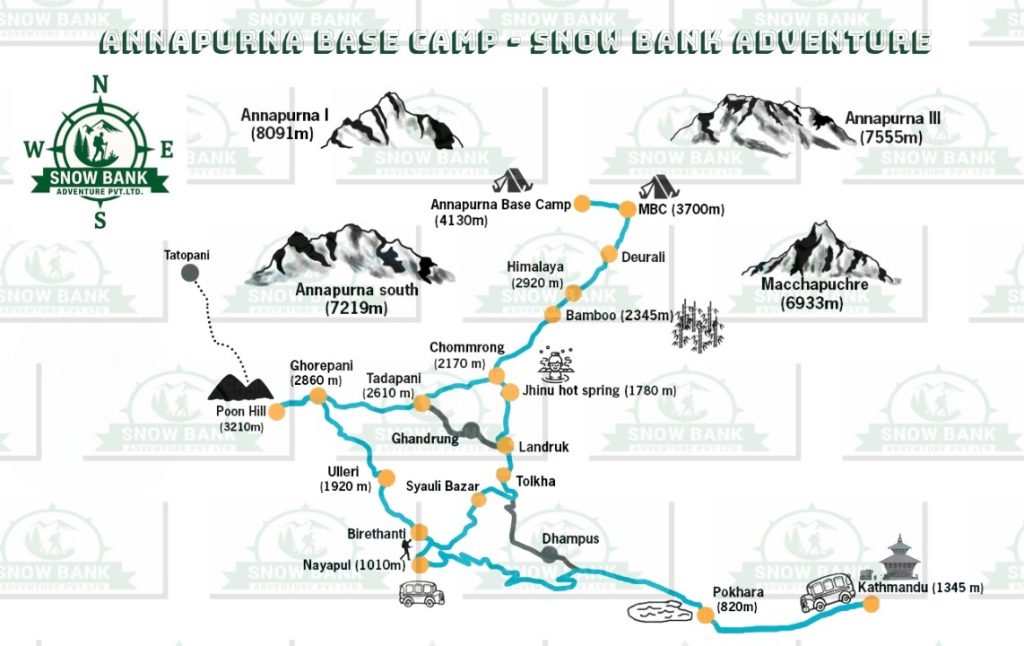
You’ll start with a short drive from Pokhara to Nayapul, then follow the trail up through Ghandruk and into Chhomrong. This traditional Gurung village marks the gateway into the Annapurna Sanctuary. From there, rhododendron forest gives way to steeper, narrower valley walls as you climb toward Machhapuchhre Base Camp and, beyond it, ABC itself.
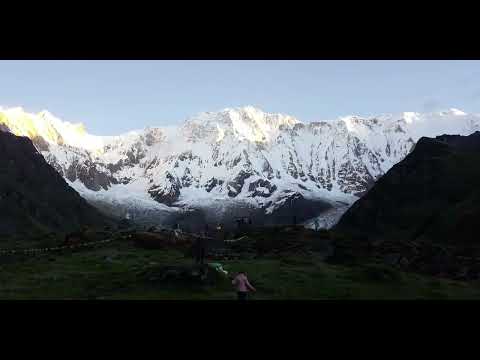
Most trekkers aim to be at Annapurna Base Camp for sunrise, when the surrounding peaks — Annapurna I, Annapurna South, Machhapuchhre (Fishtail), and Hiunchuli — catch the first light. On the way back down, the natural hot springs at Jhinu Danda are a welcome stop to ease tired legs before the return to Pokhara.
Unlike Everest Base Camp, the Annapurna Base Camp Trek combines mountain scenery with traditional villages, dense forests, waterfalls, and natural hot springs. In less than two weeks, you’ll experience dramatic changes in landscape while staying in comfortable teahouses and reaching the heart of the Annapurna Sanctuary without technical climbing.
Day 1: Arrive in Kathmandu (1,400m) Land at Tribhuvan International Airport, where you’ll be met and transferred to your hotel.
Day 2: Kathmandu sightseeing A day exploring the city’s UNESCO World Heritage Sites, and a chance to check your gear before flying west.
Day 3: Fly to Pokhara (827m), trek to Ghandruk (1,940m) — 30-minute flight, 5-6 hours trek A short scenic flight to Pokhara, then a drive to the trailhead and a first afternoon of walking up to Ghandruk, a Gurung village with some of the best Annapurna views on the whole route.
Day 4: Ghandruk to Chhomrong (2,170m) — 5-6 hours The trail drops into the valley and climbs back up to Chhomrong, the last big village before the Annapurna Sanctuary proper begins.
Day 5: Chhomrong to Bamboo (2,310m) — 5-6 hours A steep descent out of Chhomrong, then a climb through dense rhododendron and bamboo forest — the terrain gets noticeably wilder from here.
Day 6: Bamboo to Deurali (3,230m) — 4-5 hours The valley narrows and the forest thins out as you gain altitude. Take this day at a steady pace to help your body adjust.
Day 7: Deurali to Annapurna Base Camp (4,130m), via Machhapuchhre Base Camp (3,700m) — 5-6 hours The final push. You’ll pass Machhapuchhre Base Camp before the last stretch to ABC, where the full Annapurna Sanctuary opens up around you.
Day 8: Annapurna Base Camp to Bamboo (2,310m) — 7-8 hours After sunrise at ABC, it’s a long day retracing your steps back down through Machhapuchhre Base Camp and Deurali to Bamboo.
Day 9: Bamboo to Jhinu Danda (1,760m) — 5-6 hours Continue the descent to Jhinu Danda, where the natural hot springs are a genuinely good reason to stop early and rest.
Day 10: Trek to Nayapul, drive to Pokhara — 5-6 hours trek, 1 hour drive The last trekking day back to the trailhead, followed by a short drive back into Pokhara.
Day 11: Fly to Kathmandu A short flight back to the capital, with the rest of the day free.
Day 12: Final departure Transfer to the airport for your international flight home.
Day 1: Arrive in Kathmandu (1,400m) Land at Tribhuvan International Airport, where a Snow Bank Adventure representative will meet you and take you to your hotel. A welcome dinner is planned for the evening. Accommodation: hotel | Meals: dinner
Day 2: Kathmandu sightseeing Spend the day visiting four of Kathmandu's UNESCO World Heritage Sites: Durbar Square, Pashupatinath Temple, Swayambhunath (the "Monkey Temple"), and Boudhanath Stupa, one of the largest stupas in the world. Accommodation: hotel | Meals: breakfast
Day 3: Fly to Pokhara (827m), trek to Ghandruk (1,940m) — 30-minute flight, 5-6 hours trek An early flight to Pokhara gives you good mountain views from the right side of the plane. From the airport, it's about a 1-hour drive to Nayapul, where the trek begins. You'll follow the trail from Birethanti up to Ghandruk, a large Gurung village with some of the best close-up Annapurna views on the whole route. Accommodation: teahouse | Meals: breakfast, lunch, dinner
Day 4: Ghandruk to Chhomrong (2,170m) — 5-6 hours The trail climbs for about an hour to Kimrong Danda, with good views of Annapurna South, Hiunchuli, Machhapuchhre, and Gangapurna along the way. A steep descent brings you down to the Kimrong Khola river, followed by another steep climb up to the ridge above it. From there it's a gentler walk into Chhomrong, a Gurung village built into the hillside at the edge of the Annapurna Sanctuary. Accommodation: teahouse | Meals: breakfast, lunch, dinner
Day 5: Chhomrong to Bamboo (2,310m) — 5-6 hours You'll descend roughly 2,500 stone steps and cross the river below Chhomrong, then climb steadily to Sinuwa. From Sinuwa, the trail runs through forest to Kuldighar before an easy downhill walk into Bamboo, named for the dense bamboo forest surrounding it. Accommodation: teahouse | Meals: breakfast, lunch, dinner
Day 6: Bamboo to Deurali (3,230m) — 4-5 hours The trail climbs through bamboo forest to Dovan, then on to Himalaya, where the forest opens up and you get your first clear views of the glacial river below. A steep climb through drier forest brings you to Hinku Cave, a rock overhang used by shepherds long before it became a trekkers' landmark. From there the trail drops close to the river before the final climb to Deurali. Accommodation: teahouse | Meals: breakfast, lunch, dinner
Day 7: Deurali to Annapurna Base Camp (4,130m), via Machhapuchhre Base Camp (3,700m) — 5-6 hours The climb from Deurali to Machhapuchhre Base Camp is one of the tougher stretches of the trek, but it pays off — from MBC you get clear views of Machhapuchhre, Hiunchuli, Annapurna South, Annapurna I, Annapurna III, and Gangapurna. The trees disappear completely as you continue toward ABC, and the valley opens into the wide bowl of the Annapurna Sanctuary, with Annapurna's south face rising almost straight up ahead of you. Accommodation: teahouse | Meals: breakfast, lunch, dinner
Day 8: Annapurna Base Camp to Bamboo (2,310m) — 7-8 hours After sunrise at ABC, it's a long day retracing your steps back down through Machhapuchhre Base Camp and Deurali to Bamboo. It's all downhill, so it's more about distance than difficulty, and you get to see the scenery from Days 6 and 7 in reverse. Accommodation: teahouse | Meals: breakfast, lunch, dinner
Day 9: Bamboo to Jhinu Danda (1,760m) — 5-6 hours From Bamboo, a climb up to Kuldighar is followed by a descent to the Chhomrong Khola, then a climb up stone steps into Chhomrong itself. From there the trail drops down to Jhinu Danda. Once you've settled in, it's a 15-20 minute walk downhill to the natural hot springs by the river — a good way to ease sore legs after eight days of walking. Accommodation: teahouse | Meals: breakfast, lunch, dinner
Day 10: Trek to Nayapul, drive to Pokhara — 5-6 hours trek, 1 hour drive The last trekking day follows the trail back down through the hill country of western Nepal to Nayapul, where a vehicle will be waiting to take you the rest of the way to Pokhara. Accommodation: teahouse | Meals: breakfast, lunch, dinner
Day 11: Fly to Kathmandu An evening flight back to Kathmandu. With the trek behind you, the rest of the day is free — some people rest, others use the time for last-minute shopping or to catch any sights they missed on Day 2. A farewell dinner rounds off the evening. Accommodation: teahouse | Meals: breakfast, lunch, dinner
Day 12: Final departure A Snow Bank Adventure representative will take you to the airport about three hours before your flight, giving you plenty of time to check in before you head home. Meals: breakfast
Note: distances, trail conditions, and overnight stops can shift depending on the season, trail maintenance, and teahouse availability — your guide will Inclusions vary by package, so confirm the final list before booking plan day to day.
Day 1: Arrive in Kathmandu (1,400m) Land at Tribhuvan International Airport, where a Snow Bank Adventure representative will meet you and take you to your hotel. A welcome dinner is planned for the evening. Accommodation: hotel | Meals: dinner
Day 2: Kathmandu sightseeing Spend the day visiting four of Kathmandu's UNESCO World Heritage Sites: Durbar Square, Pashupatinath Temple, Swayambhunath (the "Monkey Temple"), and Boudhanath Stupa, one of the largest stupas in the world. Accommodation: hotel | Meals: breakfast
Day 3: Fly to Pokhara (827m), trek to Ghandruk (1,940m) — 30-minute flight, 5-6 hours trek An early flight to Pokhara gives you good mountain views from the right side of the plane. From the airport, it's about a 1-hour drive to Nayapul, where the trek begins. You'll follow the trail from Birethanti up to Ghandruk, a large Gurung village with some of the best close-up Annapurna views on the whole route. Accommodation: teahouse | Meals: breakfast, lunch, dinner
Day 4: Ghandruk to Chhomrong (2,170m) — 5-6 hours The trail climbs for about an hour to Kimrong Danda, with good views of Annapurna South, Hiunchuli, Machhapuchhre, and Gangapurna along the way. A steep descent brings you down to the Kimrong Khola river, followed by another steep climb up to the ridge above it. From there it's a gentler walk into Chhomrong, a Gurung village built into the hillside at the edge of the Annapurna Sanctuary. Accommodation: teahouse | Meals: breakfast, lunch, dinner
Day 5: Chhomrong to Bamboo (2,310m) — 5-6 hours You'll descend roughly 2,500 stone steps and cross the river below Chhomrong, then climb steadily to Sinuwa. From Sinuwa, the trail runs through forest to Kuldighar before an easy downhill walk into Bamboo, named for the dense bamboo forest surrounding it. Accommodation: teahouse | Meals: breakfast, lunch, dinner
Day 6: Bamboo to Deurali (3,230m) — 4-5 hours The trail climbs through bamboo forest to Dovan, then on to Himalaya, where the forest opens up and you get your first clear views of the glacial river below. A steep climb through drier forest brings you to Hinku Cave, a rock overhang used by shepherds long before it became a trekkers' landmark. From there the trail drops close to the river before the final climb to Deurali. Accommodation: teahouse | Meals: breakfast, lunch, dinner
Day 7: Deurali to Annapurna Base Camp (4,130m), via Machhapuchhre Base Camp (3,700m) — 5-6 hours The climb from Deurali to Machhapuchhre Base Camp is one of the tougher stretches of the trek, but it pays off — from MBC you get clear views of Machhapuchhre, Hiunchuli, Annapurna South, Annapurna I, Annapurna III, and Gangapurna. The trees disappear completely as you continue toward ABC, and the valley opens into the wide bowl of the Annapurna Sanctuary, with Annapurna's south face rising almost straight up ahead of you. Accommodation: teahouse | Meals: breakfast, lunch, dinner
Day 8: Annapurna Base Camp to Bamboo (2,310m) — 7-8 hours After sunrise at ABC, it's a long day retracing your steps back down through Machhapuchhre Base Camp and Deurali to Bamboo. It's all downhill, so it's more about distance than difficulty, and you get to see the scenery from Days 6 and 7 in reverse. Accommodation: teahouse | Meals: breakfast, lunch, dinner
Day 9: Bamboo to Jhinu Danda (1,760m) — 5-6 hours From Bamboo, a climb up to Kuldighar is followed by a descent to the Chhomrong Khola, then a climb up stone steps into Chhomrong itself. From there the trail drops down to Jhinu Danda. Once you've settled in, it's a 15-20 minute walk downhill to the natural hot springs by the river — a good way to ease sore legs after eight days of walking. Accommodation: teahouse | Meals: breakfast, lunch, dinner
Day 10: Trek to Nayapul, drive to Pokhara — 5-6 hours trek, 1 hour drive The last trekking day follows the trail back down through the hill country of western Nepal to Nayapul, where a vehicle will be waiting to take you the rest of the way to Pokhara. Accommodation: teahouse | Meals: breakfast, lunch, dinner
Day 11: Fly to Kathmandu An evening flight back to Kathmandu. With the trek behind you, the rest of the day is free — some people rest, others use the time for last-minute shopping or to catch any sights they missed on Day 2. A farewell dinner rounds off the evening. Accommodation: teahouse | Meals: breakfast, lunch, dinner
Day 12: Final departure A Snow Bank Adventure representative will take you to the airport about three hours before your flight, giving you plenty of time to check in before you head home. Meals: breakfast
Note: distances, trail conditions, and overnight stops can shift depending on the season, trail maintenance, and teahouse availability — your guide will confirm the exact plan day to day.

