
Mundum Short Treks
US $799

Kathmandu can feel genuinely overwhelming when you’re trying to work out what to see in a single day. This private Kathmandu Valley Day Tour solves that problem directly: it takes you through four of the city’s most important UNESCO World Heritage Sites — Swayambhunath, Kathmandu Durbar Square, Pashupatinath, and Boudhanath — with a local guide and private transport the whole way. You don’t plan a route, negotiate taxis, or guess which sites are actually worth your limited time. In one day, you get Kathmandu’s Hindu and Buddhist heritage, its royal history, and a real sense of how the city’s spiritual life still works today, not just a checklist of old buildings.
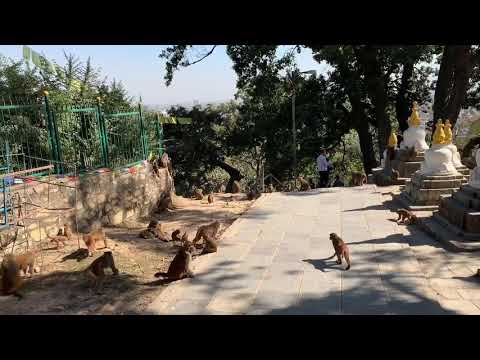
Swayambhunath sits on a hill on the western edge of the valley, and it’s one of the best spots in the city for a wide view over Kathmandu — on a clear day, you can even pick out the Himalayas in the distance. Locals and visitors alike call it the “Monkey Temple,” for the troops of rhesus macaques that live around the grounds, considered sacred by many who visit. What makes Swayambhunath genuinely distinctive is that it’s a working example of religious harmony: the site holds deep significance for both Buddhists and Hindus, with stupas, shrines, prayer flags, and Vajrayana Buddhist iconography woven together in one complex. You can reach the top either by climbing the famous 365-step staircase (worth doing if you’re up for it, since the monkeys and views along the way are part of the experience) or by a shorter, easier route by vehicle if you’d rather skip the stairs.
Kathmandu Durbar Square was the former royal palace complex of the Malla and later Shah kings, and it’s genuinely dense with history — courtyards, temples, and palaces built up over centuries, largely between the 15th and 18th centuries. The architecture here is classic Newari craftsmanship: intricately carved wooden struts, pagoda-style roofs, and brick courtyards that have earned the square the nickname “the Museum of Temples,” thanks to the sheer number of structures packed into one space.
One building worth knowing about specifically is Kasthamandap — a wooden pavilion originally built in the 12th century from the timber of a single sal tree. This is the actual structure that gave Kathmandu its name (Kastha means wood, mandap means pavilion or shelter). It collapsed in the 2015 earthquake and was rebuilt using reclaimed original timber, with reconstruction completed in 2022 — it isn’t another name for the whole square, just one historically significant building within it.
The square is also home to Kumari Ghar, the residence of Nepal’s Living Goddess. A young girl from the Newar Shakya clan is chosen through a traditional selection process to serve as the Kumari, believed to be the living incarnation of the goddess Taleju, and she occasionally appears at her window to greet visitors below. Photography inside Kumari Ghar itself isn’t permitted, and viewing times can vary, so check with your guide about the best time to visit.
Pashupatinath is the most important Hindu temple in Nepal, dedicated to Lord Shiva, and it sits directly on the banks of the sacred Bagmati River. The wider temple complex is genuinely large, with countless shrines, statues, and courtyards, and it draws Hindu pilgrims from across Nepal and India — including sadhus, wandering Hindu holy men, who are a common and striking sight around the grounds.
Non-Hindus aren’t permitted to enter the main temple itself, but the wider complex is open to explore, and there’s a great deal to see and understand from outside the inner sanctum. The sacred cremation ghats along the Bagmati River offer visitors a deeper understanding of Hindu beliefs surrounding life, death, and the cycle of rebirth — cremation ceremonies are a genuine, ongoing part of daily life here, not a display for tourists, and it’s worth approaching this part of the visit with real respect and quiet observation rather than treating it as a photo opportunity.
Boudhanath is one of the largest stupas in the world and one of the most important Tibetan Buddhist sites outside Tibet itself. Walking the kora — the ritual clockwise circuit around the stupa — alongside Tibetan Buddhist pilgrims, many spinning prayer wheels as they go, is one of the more genuinely moving experiences on this tour. The surrounding area is home to numerous monasteries and a substantial Tibetan Buddhist community, many of whom settled here after 1959. Several nearby rooftop cafes offer a good vantage point looking straight down on the stupa itself, and despite sitting in a busy, built-up part of the city, the atmosphere inside the stupa’s plaza feels noticeably calmer than the streets surrounding it — a real contrast to Kathmandu’s usual noise and traffic.
This tour isn’t four random sightseeing stops — it’s actually a coherent day exploring how Hinduism and Buddhism coexist in the Kathmandu Valley. Pashupatinath represents the heart of Hindu spiritual tradition in Nepal, one of the most important Shiva temples anywhere in the world. Boudhanath is one of the country’s major Tibetan Buddhist pilgrimage sites, central to the city’s Tibetan Buddhist community. Swayambhunath sits between the two, reflecting both Buddhist and Hindu tradition in the same complex, a genuine symbol of how the two faiths have coexisted here for centuries. And Kathmandu Durbar Square ties it together with centuries of Hindu temple architecture layered into the heart of Newari culture and royal history. Seen as a set, these four sites tell a real story about the valley, not just four separate monuments.
This is an easy sightseeing tour with short walks at each site. It does not involve trekking or any physically demanding activity.
A few things worth knowing before you go, since this tour visits active religious sites, not museums:
8:00 AM — Hotel pickup 8:30 AM — Visit Swayambhunath Stupa 10:30 AM — Explore Kathmandu Durbar Square 12:30 PM — Lunch break 2:00 PM — Visit Pashupatinath Temple 3:30 PM — Explore Boudhanath Stupa 5:00 PM — Return to hotel
Note: this order can shift depending on your hotel’s location, traffic, ongoing religious events, and your guide’s recommendation on the day.
| With This Tour | Exploring Independently | |
|---|---|---|
| Transport | Private vehicle | Multiple taxis or ride bookings |
| Guidance | Professional local guide | Self-guided research |
| Route | Planned in advance | You organize the order yourself |
| Coverage | Four major sites in one day | Easy to lose time in traffic |
| Context | Local cultural context throughout | Mostly surface-level sightseeing |
Day 1: Kathmandu Valley UNESCO Heritage Tour — hotel pickup, Swayambhunath, Kathmandu Durbar Square, lunch, Pashupatinath, Boudhanath, return to hotel
Morning: Hotel Pickup and Swayambhunath Your guide and driver meet you at your hotel around 8:00 AM. The first stop is Swayambhunath, reached either by the 365-step staircase or a shorter vehicle approach. Take in the valley views, the mix of Hindu and Buddhist shrines, and the resident monkeys before continuing on.
Mid-Morning: Kathmandu Durbar Square From Swayambhunath, you'll head to Kathmandu Durbar Square for a guided walk through the former royal palace complex — Kasthamandap, Kumari Ghar, and the wider collection of temples and courtyards, with your guide explaining the history and significance of each as you go.
Midday: Lunch Break A break for lunch, typically at a restaurant near Durbar Square or Thamel, giving you a chance to rest before the afternoon.
Afternoon: Pashupatinath Temple The tour continues to Pashupatinath, Nepal's most sacred Hindu temple. You'll explore the wider temple complex along the Bagmati River, with your guide explaining the site's significance, the presence of sadhus, and the cremation ghats, approached with the respect the setting calls for.
Late Afternoon: Boudhanath Stupa The final stop is Boudhanath, where you'll walk the kora around the stupa alongside Buddhist pilgrims, with time to visit a nearby monastery or take in the view from one of the rooftop cafes overlooking the plaza.
Evening: Return to Hotel Your driver returns you to your hotel by around 5:00 PM, with the rest of the evening free — Thamel's streets are a good option nearby if you'd like to keep exploring after dinner.
Note: this is a private sightseeing day tour, not an airport arrival or overnight package — accommodation and airport transfers are separate services and can be arranged alongside this tour if needed.