

Namun La Pass Trek- 10 days
US $$1,140

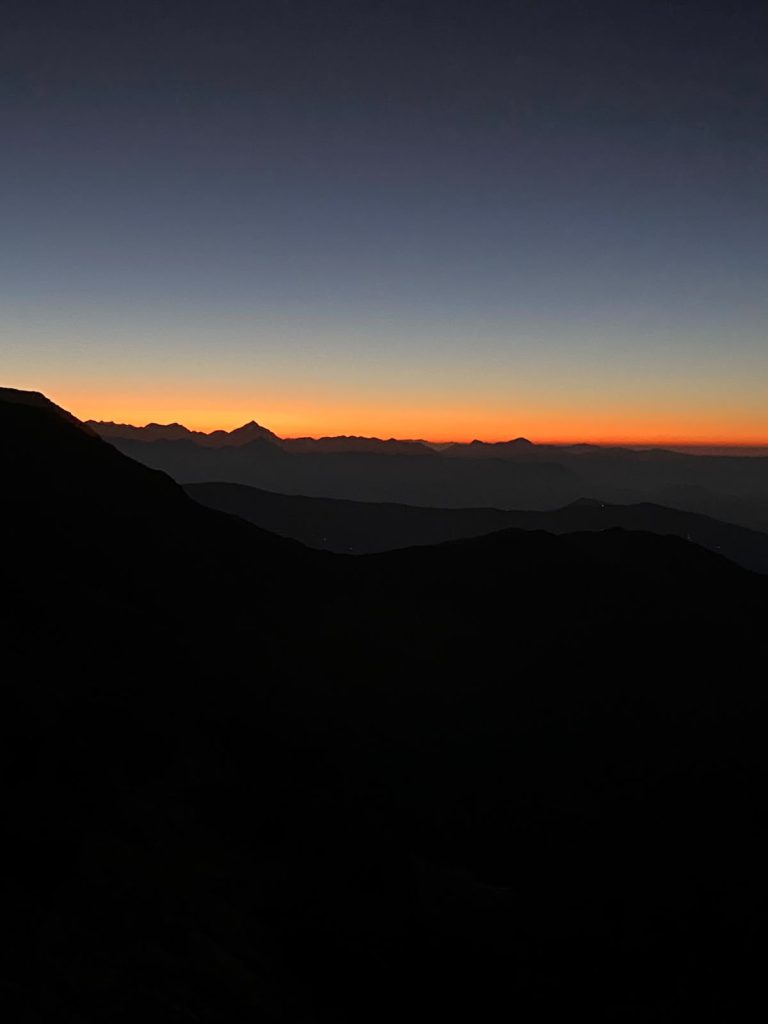
Picture this. You wake up in a mountain lodge before dawn, wrap yourself in a jacket, and walk up a quiet ridge in the dark. Then the sun hits Machhapuchhre, the famous “Fishtail” peak, and the whole Annapurna range glows gold. You’re only a short drive from Pokhara, and there’s hardly another trekker in sight.
That’s the Machhapuchhre Model Trek, a newer trail north of Pokhara that’s still off most people’s radar. It’s also known as the Khumai Danda trek. It’s a great fit if you want big Himalayan views without a long flight, a high pass, or crowded teahouses.
The trek starts a short drive from Pokhara. It climbs through farms, forest, and Gurung villages to Hile Kharka, then to Khumai Danda at about 3,245 m. The big moment comes at Korchan Danda, a viewpoint at about 3,700 m. From there, you can see Machhapuchhre, Annapurna South, Hiunchuli, and Mardi Himal on a clear morning.
Then comes the best part of the trip. You descend to the village of Mirsha, soak in the Tatopani hot spring if conditions allow, and finish with a day to relax in lakeside Pokhara.
Spring (March–May) and autumn (September–November) are the best seasons, with clearer skies and stable weather. Spring adds rhododendron blooms on the forested slopes.
Winter (December–February) is possible at lower elevations, but nights are cold and the upper ridge can see snow.
Monsoon (June–August) brings rain, leeches, and cloud that hides the views. It’s best avoided.
| Duration | 9 Days (Kathmandu to Kathmandu) |
| Highest Point | Korchan Danda, about 3,700 m |
| Highest Overnight Stop | Khumai Danda, about 3,245 m |
| Trip Cost | $800 per person |
| Best Season | Spring (March–May) and Autumn (September–November) |
| Difficulty | Easy to moderate |
| Permits | Annapurna Conservation Area Permit (ACAP), and a TIMS card if required |
| Guide | Licensed guide included |
| Accommodation | Hotels in Kathmandu and Pokhara, teahouses or basic lodges on the trek |
| Starting Point | Hemja, a short drive from Pokhara |
| Place | Altitude (approx.) |
|---|---|
| Kathmandu | 1,400 m |
| Pokhara | 820 m |
| Hile Kharka | 2,160 m |
| Khumai Danda (overnight) | 3,245 m |
| Korchan Danda (viewpoint) | About 3,700 m |
| Mirsha village | About 1,480 m |
| Ghachok | About 1,250 m |
Heights vary slightly by source. Korchan Danda is quoted from about 3,650 m to 3,700 m.
This trek stays below about 3,700 m, so altitude is less of a worry than on higher routes. But it’s still real, and the climb is steady. Go slowly, drink water, and tell your guide about any headache, nausea, or dizziness. Never go higher with symptoms.
For the full picture on symptoms and prevention, read our altitude sickness guide, and talk to your doctor before the trip.
| Day | Route | Altitude | Time |
|---|---|---|---|
| 1 | Arrival in Kathmandu | 1,400 m | — |
| 2 | Kathmandu → Pokhara | 820 m | 6–8 hrs drive |
| 3 | Pokhara → Hemja → Hile Kharka | 2,160 m | Short drive, then 5–6 hrs trek |
| 4 | Hile Kharka → Khumai Danda | 3,245 m | 5–6 hrs trek |
| 5 | Sunrise at Korchan Danda → Mirsha village | About 3,700 m → About 1,480 m | 6–8 hrs trek |
| 6 | Mirsha → Tatopani hot spring → Pokhara | About 1,250 m → 820 m | Short trek, then 2–3 hrs drive |
| 7 | Rest day and sightseeing in Pokhara | 820 m | 2–5 hrs sightseeing |
| 8 | Pokhara → Kathmandu | 1,400 m | 6–8 hrs drive |
| 9 | Final departure |
A Snowbank representative meets you at Tribhuvan International Airport and takes you to your hotel. Rest after your journey, or wander out to a nearby market. Kathmandu is famous for its old temples, Newari architecture, and food.
In the evening, you'll meet your guide for a briefing on the route, gear, and what to expect.
After breakfast, you travel to Pokhara along the Prithvi Highway. The road follows rivers and passes green hills, terraced farms, and small towns. The time depends on traffic and road conditions.
When you arrive, check in and stretch your legs with a stroll around Phewa Lake and Lakeside. It's a perfect, easy evening before the trek begins.
After breakfast, a short drive takes you to Hemja, where the walking starts. The trail climbs through farmland, forest, and traditional hillside villages. You'll see how local families farm and live in the hills.
As you gain height, mountain views begin to open up. You'll finish the day at Hile Kharka, a quiet spot in the hills.
Today the scenery gets bigger. The trail passes through forest, rhododendron-covered hillsides, and open meadows where local herders graze their animals.
Khumai Danda is a ridge with wide views of Machhapuchhre and the Annapurna range when the sky is clear. Settle in, enjoy the quiet, and get to bed early. Tomorrow starts before sunrise.
This is the day the whole trek builds toward. You'll start early for the hike to Korchan Danda, the highest point of the trek, at about 3,700 m. Bring a headlamp and a warm layer.
If the weather is clear, you'll watch the sun light up Machhapuchhre, Annapurna South, Hiunchuli, and Mardi Himal. Take your time at the top for photos and quiet.
Then comes a long descent through hillsides, forest, and farmland to Mirsha, a friendly Gurung village. Trekking poles help your knees on this day.
After breakfast, you continue down through green hills, streams, and terraced fields to Tatopani, also known as the Kharpani hot spring. If access and time allow, soak your tired legs in the warm water. It's the perfect reward.
Then you drive back to Pokhara for a hot shower and a comfortable bed.
A day to relax and explore. Popular stops include:
If you're feeling adventurous, you could add a tandem paragliding flight over the lake. Ask your guide when you book, and keep a spare day for weather.
After breakfast, you drive back to Kathmandu along the Prithvi Highway, passing rivers, hills, and villages. You'll arrive in the afternoon or evening, with free time to rest or explore nearby markets.
After breakfast, a Snowbank representative takes you to Tribhuvan International Airport for your flight. We hope you leave with great photos, new friends, and a few stories to tell.
It's rated easy to moderate. The trail is non-technical, and the highest point is about 3,700 m. Some days are long, especially Day 5, but a steady pace works well for most fit trekkers.
Mostly, yes. Both names describe the same trail north of Pokhara. The Khumai Danda trek is usually a shorter version, while the Model Trek includes the Korchan Danda sunrise and the Mirsha village stay.
About 3,700 m. Sources quote it between about 3,650 m and 3,700 m.
It's lower than on higher treks like Annapurna Base Camp or Mardi Himal, but it's still possible. Pace yourself, drink water, and tell your guide about any symptoms.
March–May and September–November. Winter is possible lower down but cold, and the monsoon brings rain, leeches, and cloud.
Yes, an ACAP, and a TIMS card if required. This route is not a restricted area. See our Nepal trekking permits guide.
In simple teahouses or basic lodges. Conditions are basic, so expect shared rooms and limited hot water.
It's a good first Himalayan trek for fit beginners. Check age and fitness limits with us if you're bringing children.
Mardi Himal reaches about 4,200–4,500 m and is busier. The Machhapuchhre Model Trek is lower, shorter in altitude, and quieter. Read our Mardi Himal vs Annapurna Base Camp guide to compare short Annapurna treks.
Machhapuchhre (Fishtail, about 6,993 m), Annapurna South (about 7,219 m), Hiunchuli (about 6,441 m), and Mardi Himal (about 5,587 m), plus other peaks on clear days.
No. The mountain is considered sacred, and climbing it is not permitted. You admire it from the trail.
Yes. Many travelers add paragliding in Pokhara, or follow it with a longer trek. See our best treks guide or our list of hidden treks in Nepal.