

Featured
Private Trip

Standing at the base of Mount Everest is a strange kind of feeling — you’re looking up at the highest point on the planet, and you got there on your own two feet. This 15-day trek takes you through the full sweep of the Khumbu Valley: Sherpa villages strung with prayer flags, suspension bridges over glacial rivers, ancient monasteries, and finally the Khumbu Glacier itself, before you stand at Everest Base Camp and watch sunrise break over the world’s highest peak from Kala Patthar.
The trek begins with one of the world’s most famous short flights, from Kathmandu into Lukla’s mountain airstrip. From there, the trail follows the Dudh Koshi and Bhote Koshi rivers up through Sherpa villages and pine forest to Namche Bazaar, then continues past Tengboche Monastery, Dingboche, and Lobuche before reaching Everest Base Camp and Kala Patthar. Unlike the shorter helicopter-return version of this trek, this itinerary brings you back down the same way you came — on foot, at a gradual pace, with plenty of time to actually take in everything you walked past on the way up.
The 12-day helicopter itinerary is built for travelers with limited time — it replaces the multi-day walk back down with a scenic flight. This 15-day version is for people who want to experience the Everest region at its fullest. You’ll walk back out the way you came, which gives you more time to take in the changing landscapes, revisit Sherpa villages, and let the mountain scenery sink in — plus a gradual descent, which is genuinely easier on your body than a fast helicopter exit after days at altitude.
Neither version is the “better” trek — it depends on what you want. If your time is limited, the helicopter version gets you the same Base Camp experience faster. If you’d rather have the complete, unhurried Everest journey, this is that trek.
The Lukla flight — a dramatic short flight into one of the world’s most famous mountain airstrips
Namche Bazaar — the Khumbu’s main hub, built into a natural bowl in the hillside
Tengboche — home to the largest monastery in the region, with an outstanding mountain backdrop
Dingboche — a high-altitude village known for its stone-walled fields and closer mountain views
Everest Base Camp Trek — the ultimate destination, at the foot of the Khumbu Icefall
Kala Patthar — the best all-round viewpoint of Everest on the entire route
The Khumbu Glacier — walked alongside for a full day, close enough to really appreciate its scale
Sherpa hospitality — teahouses, guides, and villages shaped by generations of mountain life
This itinerary is a strong fit for:
Wake to crisp mountain air before sharing breakfast in a cozy teahouse. Spend the day crossing suspension bridges strung with prayer flags, passing mani walls and spinning prayer wheels, and climbing steadily toward snow-covered peaks. Stop somewhere with a proper mountain view for lunch, then keep walking as the landscape shifts under your feet. In the evening, settle into a warm dining room, trade stories with fellow trekkers, and get some sleep while tomorrow’s mountains wait just outside the window.
This trek is as much about what surrounds the trail as the destination itself. Expect to walk alongside the Khumbu Glacier, with close-up views of the Khumbu Icefall — the notoriously difficult first stretch of the standard Everest climbing route. Prayer flags and mani walls mark nearly every village and pass, a constant reminder of how deeply Buddhism is woven into daily life here. You’ll cross the Dudh Koshi and Bhote Koshi rivers on high suspension bridges, walk through Sagarmatha National Park — a UNESCO World Heritage Site — and, if you’re lucky, spot some of its wildlife, including Himalayan tahr, musk deer, and the colorful Himalayan monal pheasant. And after nearly two weeks of build-up, sunrise over Everest from Kala Patthar is the moment the whole trek has been leading toward.
This is a genuinely demanding trek — 15 days, real elevation gain, and time spent above 5,000m. Daily walking runs 5-7 hours, with a few longer days near Base Camp itself. Two acclimatization days are built in to help manage the altitude, and skipping them isn’t recommended.
Altitude. You’ll reach 5,364m at Everest Base Camp and 5,545m at Kala Patthar. Mild symptoms like headache or fatigue are common at this altitude — drink plenty of water, pace yourself, and tell your guide if something feels off.
Permits. You’ll need a Sagarmatha National Park entry permit and a local area permit, both arranged as part of your booking.
Best time to go. Spring (March-May) and autumn (September-November) offer the clearest skies and most stable weather for the Lukla flight and mountain views.
The Everest Base Camp Trek isn’t remembered for a single viewpoint or one perfect photograph. It’s remembered for the people you meet, the quiet mornings in mountain villages, the sound of prayer flags fluttering in the wind, and the moment you finally stand beneath the world’s highest mountain after days of effort. Long after the trek ends, those memories often become the reason travelers return to Nepal.
Day 1: Arrival in Kathmandu (1,400m)
Day 2: Kathmandu sightseeing and trek preparation
Day 3: Fly to Lukla, trek to Phakding (2,651m) — 8km, 3-4 hrs
Day 4: Trek from Phakding to Namche Bazaar (3,440m) — 11km, 5-6 hrs
Day 5: Acclimatization day in Namche Bazaar (3,440m)
Day 6: Trek from Namche Bazaar to Tengboche (3,870m) — 10km, 4-5 hrs
Day 7: Trek from Tengboche to Dingboche (4,360m) — 9km, 5-6 hrs
Day 8: Acclimatization day in Dingboche (4,360m)
Day 9: Trek from Dingboche to Lobuche (4,940m) — 7km, 5-6 hrs
Day 10: Trek from Lobuche to Gorak Shep (5,170m) to Everest Base Camp (5,364m), back to Gorak Shep — 13km, 6-7 hrs
Day 11: Hike from Gorak Shep to Kala Patthar (5,545m), trek to Pheriche (4,288m) — 16km, 7-8 hrs
Day 12: Trek from Pheriche to Namche Bazaar (3,440m) — 20km, 6-7 hrs
Day 13: Trek from Namche Bazaar to Lukla (2,860m) — 19km, 6-7 hrs
Day 14: Fly back to Kathmandu (1,400m)
Day 15: Final departure
Day 1: Arrive in Kathmandu (1,400m)
Land at Tribhuvan International Airport, where you'll be met and transferred to your hotel.
Day 2: Kathmandu sightseeing and trek preparation
A day visiting Kathmandu's UNESCO World Heritage Sites, with time set aside to check gear and sort any last-minute permits before heading into the mountains.
Day 3: Fly to Lukla, trek to Phakding (2,651m)
8km, 3-4 hrs A scenic 40-minute flight into Lukla, followed by an easy afternoon walk downhill through pine forest and past Mt. Khumbila (5,760m), a sacred peak that's never been climbed, to Phakding on the Dudh Koshi River.
Day 4: Trek from Phakding to Namche Bazaar (3,440m)
11km, 5-6 hrs The trail follows the Dudh Koshi and Bhote Koshi rivers through pine forest and Sherpa villages, crossing several suspension bridges before entering Sagarmatha National Park at Monjo. A steep final climb brings you into Namche Bazaar, the Khumbu's main trading hub.
Day 5: Acclimatization day in Namche Bazaar (3,440m)
A rest day with plenty to do — shops, cafes, and a genuinely lively market, plus an optional hike up toward the national park viewpoint for early views of Everest, Lhotse, Nuptse, Ama Dablam, and Thamserku.
Day 6: Trek from Namche Bazaar to Tengboche (3,870m)
10km, 4-5 hrs The trail drops to the Dudh Koshi River before climbing to Tengboche, home to the largest monastery in the Khumbu. It's been rebuilt twice in its history — after an earthquake in 1934 and a fire in 1989 — and suffered only minor, since-repaired damage in the 2015 earthquake. From the monastery grounds, the view of Everest, Nuptse, Lhotse, Ama Dablam, and Thamserku is one of the best on the whole trek.
Day 7: Trek from Tengboche to Dingboche (4,360m)
9km, 5-6 hrs Through forests of birch, conifer, and rhododendron, the trail descends to Deboche, crosses the Imja River, and passes Pangboche and its own historic monastery before climbing into Dingboche.
Day 8: Acclimatization day in Dingboche (4,360m)
Dingboche's stone-walled fields, built to protect crops from wind and grazing animals, are a distinctive sight. Most trekkers use the day for a hike up Nagarjun Hill or into the Chukhung Valley, with views of Makalu, Lhotse, and Ama Dablam.
Day 9: Trek from Dingboche to Lobuche (4,940m)
7km, 5-6 hrs The trail climbs to Thukla Pass, where stone memorials honor climbers who died on Everest, including Scott Fischer and Babu Chiri Sherpa. From here, the route runs alongside the Khumbu Glacier, with views of Khumbutse, Lingtren, and Pumori, before easing into Lobuche.
Day 10: Trek from Lobuche to Gorak Shep (5,170m) to Everest Base Camp (5,364m), back to Gorak Shep
13km, 6-7 hrs Past the site of the former Gorak Shep Lake, the trail runs close to the Khumbu Icefall before reaching Everest Base Camp itself — the goal of the entire trek. Thin air makes this a genuinely strenuous day. You'll return to Gorak Shep for the night.
Day 11: Hike from Gorak Shep to Kala Patthar (5,545m), trek to Pheriche (4,288m)
16km, 7-8 hrs An early, cold start (often -10 to -14°C) to reach Kala Patthar before sunrise, for a genuine 360-degree view of Everest and its neighboring peaks — widely considered the best viewpoint on the whole trek. After taking it in, you'll descend all the way to Pheriche, a long but mostly downhill day.
Day 12: Trek from Pheriche to Namche Bazaar (3,440m)
20km, 6-7 hrs A long descent retracing part of the outbound route, with the air noticeably thicker and warmer as you drop back toward Namche.
Day 13: Trek from Namche Bazaar to Lukla (2,860m)
19km, 6-7 hrs The final trekking day, following the trail back down through familiar villages to Lukla.
Day 14: Fly back to Kathmandu (1,400m)
A short flight back to the capital, closing out the trek.
Day 15: Final departure
Transfer to the airport for your international flight home.
Note: Lukla flights are weather-dependent and can be delayed, particularly outside peak season — it's worth building a spare day into your travel plans either side of this trek.
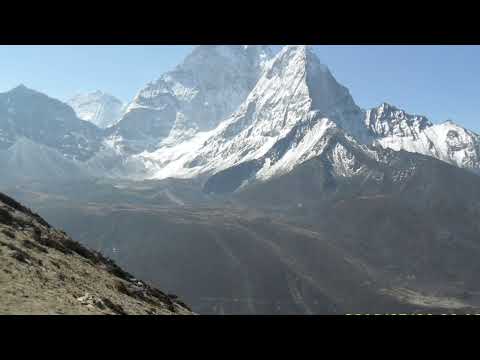
The trek is considered moderate to challenging. You'll walk around 5–7 hours most days over mountain trails, reaching altitudes above 5,000 meters. No technical climbing is required, but good physical fitness is recommended.
The highest point is Kala Patthar (5,545m / 18,192ft), one of the best viewpoints for panoramic views of Mount Everest, Lhotse, Nuptse, and the surrounding Himalayan peaks.
No. Everest Base Camp sits at 5,364m, while Kala Patthar (5,545m) is higher and offers the best close-up view of Mount Everest.
The itinerary includes two acclimatization days—one in Namche Bazaar and another in Dingboche—to help your body adjust to the increasing altitude and reduce the risk of altitude sickness.
Previous trekking experience is helpful but not essential. Beginners with good fitness, determination, and proper preparation can successfully complete the trek with the support of experienced guides.
You'll need a Sagarmatha National Park Entry Permit and a Khumbu Pasang Lhamu Rural Municipality Permit. These permits are usually arranged as part of your trekking package.
You'll stay in a comfortable hotel in Kathmandu and traditional teahouses during the trek. Rooms are generally twin-sharing, with shared or private facilities depending on the location.
Most packages include breakfast, lunch, and dinner during the trek, while breakfast is usually provided in Kathmandu. Meals typically include a variety of Nepali, Tibetan, and international dishes available in the teahouses.
Yes. Since you'll spend several days above 3,000 meters and reach 5,545 meters, altitude sickness is a possibility. Following the planned acclimatization schedule, staying hydrated, and walking at a steady pace help reduce the risk.
The best seasons are spring (March–May) and autumn (September–November), when the weather is generally stable, mountain views are at their clearest, and trekking conditions are ideal.
Bring warm layered clothing, waterproof outerwear, sturdy trekking boots, gloves, a warm hat, sunglasses, sunscreen, a reusable water bottle, trekking poles, and any personal medications. A detailed packing list is usually provided before departure.
Flights to and from Lukla are weather-dependent. If a delay occurs, airlines and trekking operators will usually arrange the next available flight. It's a good idea to keep an extra day in your travel schedule as a buffer.
Yes, most teahouses offer charging facilities and Wi-Fi for an additional fee. Availability and connection quality may vary at higher elevations.
Yes. Comprehensive travel insurance that covers high-altitude trekking, emergency medical treatment, and helicopter evacuation is strongly recommended for all trekkers.
The 15-day itinerary offers a more relaxed pace with two acclimatization days, giving you more time to enjoy the Sherpa villages, mountain scenery, and cultural experiences while reducing the risk of altitude-related issues. It's an ideal choice for travelers who want the complete Everest Base Camp experience rather than a faster-paced alternative.

