
Manaslu Circuit Trek (Larkya-la Pass-5106m) – 16 Days
-
Accommodation 4-Star Hotel in Kathmandu/Tea House during Trek
-
Duration 16
-
Trip Difficulty Moderate
-
Activities Trekking
-
Best Time Spring and Autumn
-
Max. Elevation Larkya La Pass(5160m/16930ft)
-
Group Size Min-02 pax
-
Transportation Car/Jeep
-
Meals B L D During Trek
-
Start/End Machhakhola to Dharapani
Overview
The Manaslu Circuit Trek is a legendary foot trek through some of Nepal’s most breathtaking and untouched landscapes. If you want to experience the raw beauty of the Himalayas without the heavy crowds of the neighboring Annapurna Circuit, this quiet, pristine trail is your perfect alternative.
Because this region shares a border with Tibet and hosts a highly fragile ecosystem, the government of Nepal protects it as a regulated restricted area. To ensure your safety and preserve the local heritage, the government enforces three strict rules for all travelers:
- Special Permits: You must obtain a Restricted Area Permit before entering.
- Licensed Guide: Solo trekking is forbidden; a certified guide must accompany you.
- Group Minimum: You must travel in a group of at least two trekkers (plus your guide).
Here begins your trip, starting with a bus ride from Kathmandu, the capital city, to a village called Machhakhola. The bus takes you through small towns like Dhading and Gurkha, where you will see a lot of farmers who may be working in the fields and kids playing by the road. After the bus, you will switch to a jeep for the bumpy roads, passing through villages like Arughat and Soti Khola. The jeep ride takes a few hours and gives you your first taste of Nepal’s countryside, with green hills, rivers, and little houses. When you reach Machhakhola, you’ll start walking along the Budi Gandaki River. The trail passes through terraced fields where rice and corn are grown by people, houses are built of stone, and we can also see into forests covered with tall trees and colorful flowers. You will see waterfalls dropping down the hills, hear streams bubbling nearby, and get to enjoy the wonderful views of hills, valleys, and mountains that are covered by snow.
When a strong earthquake was hit this area in April 2015, it faced a huge challenge. The center of the quake was nearby, and homes and trials were affected by it. Many people lost their houses, and a lot of changes can be seen in landscape. But the local people are tough and worked hard to restore their lives to normal. The entire disturbed path was fixed, new homes were built and finally trekkers were welcomed by a huge smile in their face. Now, the trail is safe again, and walking here lets you see how strong the community is. You will pass through villages like Machhakhola, Jagat, Deng, and Namrung, each with its own charm. Then, you’ll reach Samagaon, a small village high in the mountains with very few people. Here, you can have a day of rest, which can also be used to discover the local places. Visit old monasteries where monks pray, see prayer flags fluttering in the wind, and learn about the Tibetan Buddhist culture. The villagers grow potatoes in their fields and raise animals like yaks and goats, and they’ll share stories about their lives if you ask.
The focus of the trek is crossing the Larke La Pass, which attains an altitude of 5,160 meters. It is a tough climb, but the return is amazing. From the top, you will see a wide view of big mountains, including the Annapurna range with its white peaks, and standing at 8,146 meters, Mt. Manaslu, the eighth-highest mountain in the world, towers majestically above the landscape. The air is cold and thin, yet the sweeping views of snow-covered hills and deep valleys below are absolutely breathtaking. After the pass, you’ll walk down to join the Annapurna Circuit trail and continue to Dharapani. From there, a jeep will take you back to Kathmandu after 16 days of adventure. If you want to keep going, Snow Bank Adventure can add the Annapurna Circuit Trek to make your trip even longer. This trek is a special way to see Nepal’s hidden beauty, meet kind people, and feel close to nature in a quiet, untouched place.
Why Choose the Manaslu Circuit Trek?
With so many trekking routes in Nepal, choosing the right one can be tough. However, the Manaslu Circuit stands out as a premier choice for trekkers looking for something deeply authentic. Here is why it should be at the top of your bucket list:
- The “Real Nepal” Without the Crowds: While trails like the Everest Base Camp or Annapurna Circuit see tens of thousands of hikers every season, Manaslu remains beautifully quiet. Because it is a restricted area, it sees a fraction of the foot traffic, meaning you get pristine trails, quiet tea houses, and an undisturbed connection with nature.
- An Unbroken Circuit Experience: Modern road construction has altered large sections of the classic Annapurna Circuit. Manaslu, however, remains an authentic foot travel loop. Apart from the drive to the trailhead and the drive back from the end, you are walking entirely on historic, undisturbed mountain paths.
- A Journey Through Two Distinct Worlds: Very few treks offer such dramatic changes in scenery. You start below 1,000 meters in lush, subtropical river gorges filled with banana trees and massive waterfalls. Within a week, you cross into alpine pine forests before finally standing amidst arctic glaciers, frozen lakes, and high-altitude mountain passes above 5,000 meters.
- Deep Cultural Preservation: The upper regions of the trek (around Lho, Samagaon, and Samdo) are inhabited by the Nubri and Tsum people, whose Tibetan-Buddhist culture has remained unchanged for centuries. You will walk past thousands of hand-carved mani stones, spinning prayer wheels, and centuries-old monasteries (gompas) where monks still practice today.
- True Wilderness, Comfortable Lodging: You do not need to camp in tents to experience this wild frontier. The Manaslu route is a fully developed tea-house trek. Every evening, you will stay in cozy, locally run wooden or stone lodges, enjoy warm dining rooms, and eat freshly prepared hot meals.
Outline Itinerary
- Day 1: Arrive in Kathmandu (1,300m)
- Day 2: Explore Kathmandu
- Day 3: Kathmandu to Machha Khola (890m) – 9-10 hours by jeep
- Day 4: Machha Khola to Jagat (1,340m) – 6-7 hours walk
- Day 5: Jagat to Deng (2,360m) – 6-7 hours walk
- Day 6: Deng to Namrung (2,660m) – 6-7 hours walk
- Day 7: Namrung to Lho (3,180m) – 4-5 hours walk
- Day 8: Lho to Samagaon (3,530m) – 5-6 hours walk
- Day 9: Rest in Samagaon
- Day 10: Samagaon to Samdo (3,860m) – 3-4 hours walk
- Day 11: Samdo to Larkya Phedi (4,460m) – 3-5 hours walk
- Day 12: Larkya Phedi to Larkya La (5,160m) to Bimthang (3,720m) – 7-9 hours walk
- Day 13: Bimthang to Gho (2,560m) – 5-6 hours walk
- Day 14: Gho to Dharapani (1,920m) – 3-4 hours walk
- Day 15: Dharapani to Kathmandu (1,300m) – 8-9 hours by jeep
- Day 16: Leave Kathmandu
Detailed Itinerary
Day 1: Arrive in Kathmandu (1,300m)
When you land at Kathmandu’s airport, a friendly guide from Snow Bank Adventure will meet you. They’ll take you to a nice 4-star hotel to rest after your flight. In the evening, you’ll have a welcome dinner with the team. You can try Nepali food like mo:mo (dumplings) and enjoy music and dancing. It’s a great way to start your trip!
- Accommodation: Overnight at star hotel
- Meals: B
- Accommodation: Overnight at teahouse
- Meals: B
- Accommodation: Overnight at teahouse
- Meals: B L D
- Accommodation: Overnight at teahouse
- Meals: B L D
- Accommodation: Overnight at teahouse
- Meals: B L D
- Accommodation: Overnight at teahouse
- Meals: B L D
- Accommodation: Overnight at teahouse
- Meals: B L D
- Accommodation: Overnight at teahouse
- Meals: B L D
- Accommodation: Overnight at teahouse
- Meals: B L D
- Accommodation: Overnight at teahouse
- Meals: B L D
- Accommodation: Overnight at teahouse
- Meals: B L D
- Accommodation: overnight at tea house
- Meals: B L D
- Accommodation: Overnight at teahouse
- Meals: B L D
- Accommodation: Overnight at teahouse
- Meals: B L D
- Accommodation: Overnight at starhotel
- Meals: D
- Meals: B
Includes & Excludes
What’s included?
- Airport pick-up and drop-off
- Goodbye dinners in Kathmandu
- Kathmandu sightseeing with a guide and car
- 3 nights in a 4-star hotel in Kathmandu with breakfast
- Jeep travel to start and end the trek
- Three meals a day (breakfast, lunch, dinner) and tea/coffee during the trek
- Safe drinking water
- Trek permits (TIMS, Conservation, National Park fees)
- All government paperwork and taxes
- Guide and porter (one porter for every two trekkers) with food, pay, and insurance
- Trek gear like raincoats, sleeping bags, jackets, and walking poles
- Personal spending money
- Travel or medical insurance
- Helicopter rescue if needed
- Drinks (soft drinks, alcohol, bottled water)
- Lunch and dinner in Kathmandu (except welcome/goodbye dinners)
- Charging phones or devices
- Wi-Fi during the trek
- Tips for the guide and porter
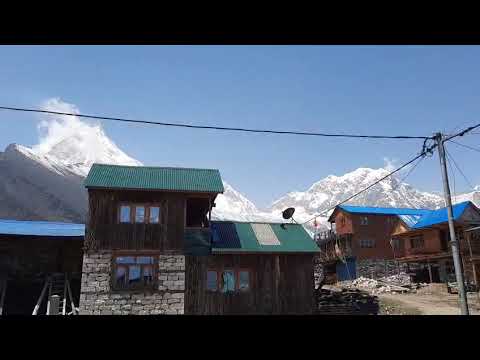
Trek Video
Packing List
- Trekking poles (highly recommended for stability)
- Backpack (40 - 55 L with rain cover)
- Duffel Bag (if using porters)
- Day Pack (20 - 30 L, for your daily carry)
- Dry bags/ zip-lock bags (gear/tech weather protection)
- Headlamp with extra batteries
- Water bottle (s) or hydration bladder ( 2- 3l total capacity)
- Water purification system ( SteriPen, filtration bottle, or purification tablets)
- Lightweight towel ( quick dry, microfiber)
- Personal Care and First Aid Kits
- Toiletries ( toothbrush, toothpaste, biodegradable soap, small shampoo, comb, razer)
- Personal prescription medications ( with enough for extra days)
- Village tea houses provide meals, but energy snacks can be costly or limited on the trek. So, include Energy/ protein bars, nuts and chocolate.
- Smartphone ( with Nepal SIM/ local data), Plug adapter ( Nepal uses Type C, D and M outlets)
- Lightweight Padlock ( for securing duffle/ room)
TripAdvisor Reviews
FAQs
Larkya La Pass is situated in the manaslu region of Nepal in the Gorkha District of Nepal's western Himalayan region. The pass is located in the manaslu conservation area and is close to the border with Tibet ( China ). It is the highest point of the Manaslu Circuit Trek, connecting. Dharmashala ( Larkya Phedi) to Bimthang.
This high mountain pass is the gateway between the Manaslu and Annapurna regions. Once at the top, trekkers will be able to view breathtaking views of snow- covered mountain peaks and glaciers across the northern Himalaya region, which is one of the major highlight of the entire Manaslu trek.
The total distance of the Manaslu Circuit Trek is approximately 177 kilometers ( 110 miles). The trek typically takes 14 to 16 days to complete, depending on the itinerary and acclimatization needs.
The Manaslu Circuit Trek is considered moderate to challenging. Key difficulties include:
High Altitude, with the highest point at Larkya La Pass ( 5,160m), which increases the risk of altitude sickness.
Long Trekking days, often 6-8 hours of walking per day. Steep ascents and descents, requiring good fitness and stamina.
Remote location, with fewer facilites compared to other popular treks like Everest or Annapurna. Proper preparation and acclimatization can make the trek manageable for most people with some trekking experience.
The best time to cross Larkaya La Pass is during the spring ( March- May) and autumn ( September- November) seasons. These periods offers stable weather conditions, clear skies, and moderate temperatures, making pass the pass safer and the mountain views spectacular.
The trek passes through remote villages, monasteries, and glaciers. Crossing Larkaya La Pass ( 5,106m) is the main highlight.
The region preserves authentic Himalayan lifestyle and traditions.