


Limi Valley Jeep Tour – 6 Days
-
Accommodation Hotels, local lodges, and simple local accommodation
-
Duration 6
-
Trip Difficulty Moderate to Challenging
-
Activities Cultural Tour / Adventure Tour / Pilgrimage & Himalayan Experience
-
Best Time Spring (March–May) and Autumn (September–November)
-
Max. Elevation 4100m
-
Group Size Min-04 pax
-
Transportation Domestic flights + private/local jeep + road travel
-
Meals Breakfast, Lunch & Dinner (B/L/D) as outlined in itinerary
-
Start/End Kathmandu/Kathmandu
Overview
Limi Valley is about as far off Nepal’s tourist map as you can get. Tucked into the far northwestern corner of Humla district, hard against the Tibetan border, it’s home to fewer than a thousand people, three centuries-old villages, and a way of life that’s stayed remarkably close to how it’s always been — partly because almost nobody, foreign or Nepali, makes it out here. This 6-day trip gets you into the heart of that valley by plane and jeep rather than weeks of trekking, taking in Tibetan Buddhist monasteries, mountain desert scenery, and a level of isolation that’s genuinely hard to find anywhere else in Nepal.
An Important Note on This Itinerary
Some descriptions of Limi Valley trips also promise views of Lake Mansarovar and Mount Kailash across the border in Tibet. Those are real, and genuinely spectacular — but they belong to the longer, trekking-based Limi Valley routes (typically 17 to 22 days) that continue past Limi to Hilsa and Nyalu La, near the Tibetan border crossing. This 6-day jeep itinerary doesn’t travel that far; it takes you into Limi Valley itself and back to Simikot, without reaching the viewpoints where Kailash or Mansarovar become visible. If seeing those specifically is your goal, ask about the longer trekking itinerary instead — what follows here is an honest description of what this shorter jeep-based trip actually delivers, which is still a genuinely remarkable trip in its own right.
Main Highlights
- Explore Limi Valley — one of the most isolated Himalayan regions in Nepal, home to a population of only around a thousand people.
- Tibetan Buddhist heritage — ancient monasteries, including the centuries-old Rinchenling Gompa in Halji, and traditional Tibetan-influenced settlements.
- Traditional Himalayan village life — hand-woven carpets, yak herding, and daily religious rituals that carry on regardless of visitors.
- A genuine expedition-style journey — mountain flights into Simikot, followed by rugged jeep travel on a road that only reached this valley in recent years.
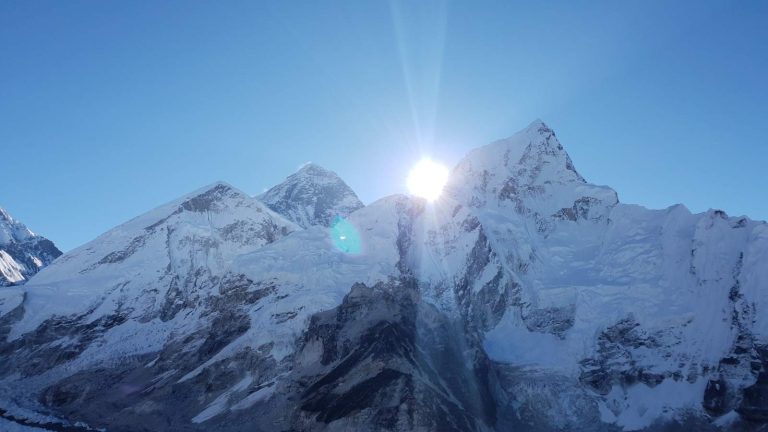
- Dramatic high-altitude scenery — semi-arid mountain desert, river valleys, and snow-capped peaks framing the whole route.
- A genuinely undeveloped trekking region — far outside Nepal’s established tourist circuits.
- Strong photography opportunities — remote villages, monasteries, and landscapes very few photographers have captured.
- Real cultural immersion — with communities of Tibetan origin who still speak Tibetan as a first language.
- A genuine adventure into one of Nepal’s least-visited corners — heritage and landscape combined in one short trip.
Who Is This Trip Best For?
This journey is best suited to:
- Travelers with a genuine interest in Tibetan Buddhist heritage and monastery culture
- Adventure seekers specifically looking for remote, off-the-radar destinations
- Photographers and nature lovers after landscapes and communities rarely photographed
- Travelers who want to see Humla and Limi Valley specifically, not just “somewhere remote”
- People interested in traditional Himalayan village life, not a resort-style trip
- Visitors deliberately looking for an alternative to Nepal’s more commercial routes like Everest or Annapurna
This isn’t an easy trip, even though most of the travel is by jeep rather than on foot. The route reaches roughly 4,100m, and altitude affects you whether you’re walking or riding — expect some fatigue, possible headaches, and genuinely rough roads. Comfortable, reasonably fit travelers will do fine; this isn’t the place to start if you’ve never spent time above 3,000m before.
What Makes Limi Valley Special?
1. Genuine remoteness. Limi isn’t a quieter version of Everest base camp or Annapurna base camp — it’s a fundamentally different kind of trip, in a region most trekking companies never even mention.
2. Tibetan Buddhist heritage. Halji’s Rinchenling Gompa was founded around the 10th or 11th century by Rinchen Zangpo, one of the most significant translators in Tibetan Buddhist history, and it’s still an active place of worship, not a museum piece.
3. A landscape few outsiders see. Semi-arid mountain desert, narrow river valleys, and snow-capped peaks all show up within a few days of travel — genuinely dramatic scenery that almost no other trip in Nepal covers.
4. A way of life that’s stayed largely intact. Limi’s population is almost entirely of Tibetan origin, speaking Tibetan as a first language, with daily life still built around farming, yak herding, and Buddhist practice rather than tourism.
5. Real cultural access, not a performance. Because so few outsiders make it here, what you see is daily life continuing as it always has, not something staged for visitors.
A Day in the Life
Mornings in Humla start early and cold, especially once you’re above 3,500m. Breakfast is simple — usually tea, bread, and whatever the local kitchen has on hand — before a long day on rough jeep tracks, winding along river valleys and climbing steadily higher. The landscape shifts constantly: forest gives way to open, semi-arid terrain, then to bare mountain desert as you approach the Tibetan border. In the villages, life carries on regardless of visitors — women weaving carpets by hand, prayer flags snapping in the wind, children herding yaks along the hillside. Evenings are quiet, often spent in a simple lodge or homestay, with genuinely little in the way of modern distraction — which, for a lot of travelers, ends up being part of the point.
Trek Difficulty & What to Expect
Altitude. You’ll reach roughly 4,100m in Limi Valley, having flown into Simikot at nearly 2,950m just a couple of days earlier. That’s a fast altitude gain for a jeep-based trip, so take it seriously — drink water, avoid overexertion on your first day in Simikot, and tell your guide if you’re feeling unwell.
Road conditions. The jeep road into Limi Valley is genuinely rough and relatively new — expect a bumpy, sometimes slow journey, and be prepared for possible delays if weather or road conditions aren’t cooperating.
Permits. Humla and Limi Valley sit inside a restricted area, so you’ll need a special permit and a licensed guide, both arranged as part of your booking.
Best time to go. Spring (March-May) and autumn (September-November) offer the most stable weather for both the Simikot flight and the jeep journey into the valley.
Outline Itinerary
Day 1: Kathmandu to Nepalgunj (150m) — 1-hr flight, or 12-14 hrs by road
Day 2: Nepalgunj to Simikot (2,950m) — 45-60 min flight
Day 3: Simikot to Limi Phedi (4,000m) — 5-7 hrs by jeep
Day 4: Limi Phedi to Limi Valley (4,100m) — 4-5 hrs by jeep or trek, depending on the village
Day 5: Limi Valley back to Simikot — 6-8 hrs by jeep
Day 6: Fly from Simikot to Nepalgunj to Kathmandu — 45-60 min flight, plus 1-hr flight
Detailed Itinerary
Day 1: Kathmandu to Nepalgunj (150m)
1-hr flight, or 12-14 hrs by road A short flight (or a long overland alternative) takes you down into the flat, warm Terai region, your last stop before the mountains of far-western Nepal.
Day 2: Nepalgunj to Simikot (2,950m)
45-60 min flight A dramatic short flight up into the hills of Humla district, landing at Simikot's small mountain airstrip — the administrative center of the district and your last real town before heading into genuinely remote territory.
Day 3: Simikot to Limi Phedi (4,000m)
5-7 hrs by jeep The jeep journey begins here, following rough mountain roads up toward the edge of Limi Valley. The scenery shifts steadily from forested hillside to increasingly bare, high-altitude terrain.
Day 4: Limi Phedi to Limi Valley (4,100m)
4-5 hrs by jeep or trek Arriving in the valley itself, with a chance to visit one of Limi's ancient villages — Halji, Til, or Jang, depending on road conditions and time. Halji's Rinchenling Gompa, founded around a thousand years ago, is the most significant religious site in the valley and well worth the stop.
Day 5: Limi Valley back to Simikot
6-8 hrs by jeep The return journey, retracing the route back down out of the valley, with time to take in the landscape a second time from the other direction.
Day 6: Fly from Simikot to Nepalgunj to Kathmandu
45-60 min flight, plus 1-hr flight Two short flights bring you back to the capital, closing out the trip.
Note: flights to and from Simikot are genuinely weather-dependent and can be delayed, particularly outside spring and autumn — it's worth building a spare day into your travel plans on either end of this trip.
Includes & Excludes
Includes
- Kathmandu to Nepalgunj to Simikot fly ticket
- Simikot to Limi to Simikot private jeep transportation
- Professional government registered Guide for Simikot to Limi to Simikot
- All type of government necessary paperwork and government taxes
- Guide insurance salary food all included
Excludes
- Personal Expenses hotel and food
- Travel insurance and evacuation
- Beverage, Bar bill and lunch and dinner
- Tips for the Driver and guide
- Simikot to Nepalgunj flight or transportation
TripAdvisor Reviews
FAQs
Limi Valley (Mansarobar Darshan) is a six-day Himalayan journey through the remote Humla region of northwestern Nepal, combining mountain scenery, Tibetan Buddhist culture, traditional villages and spiritual experiences.
The itinerary is 6 days, beginning and ending in Kathmandu.
The itinerary reaches approximately 4,100m in Limi Valley.
Limi Valley is located in Humla district in northwestern Nepal, near the Nepal-Tibet border.
The itinerary begins with travel from Kathmandu to Nepalgunj, followed by a scenic flight to Simikot. From Simikot, the journey continues toward Limi Valley by jeep and trekking.
It is a combination of road travel, jeep journeys and trekking/walking, depending on the section of the route.
Accommodation includes hotels in Kathmandu/Nepalgunj/Simikot and local lodges in the Limi region, according to the itinerary.
The itinerary specifies breakfast, lunch and dinner on most journey days. Day 1 includes dinner, while the final departure day lists no meals.
Visitors can experience traditional Himalayan villages, Tibetan Buddhist culture, ancient monasteries, dramatic mountain landscapes and the relatively untouched natural environment of Humla.
Yes. The journey is particularly suited to travelers interested in Tibetan Buddhist heritage, traditional Himalayan communities and remote mountain culture.
Yes. The route offers opportunities to photograph Himalayan mountains, remote villages, monasteries, high-altitude landscapes and traditional local life.
Yes. The remote location, rugged roads, high-altitude environment and limited infrastructure make it a strong option for travelers seeking an off-the-beaten-path Himalayan experience.
The provided 6-day itinerary does not show travel to Lake Mansarovar or Mount Kailash. The introduction describes the wider spiritual connection to Mansarovar and Kailash, but the actual itinerary ends after returning from Limi Valley to Simikot, Nepalgunj and Kathmandu.