


Tsum Valley Trek
US $$1,099

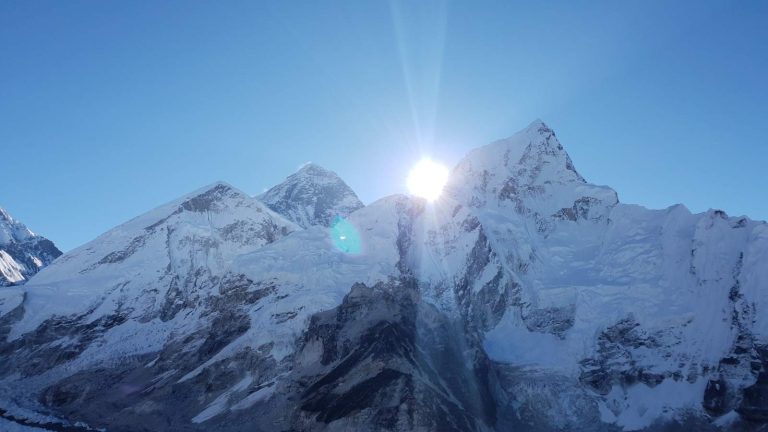
Stand on Pikey Peak (4,065m) at sunrise and watch the first light touch Everest, Lhotse, Makalu and Kanchenjunga. You don’t need a flight to Lukla or two weeks on the trail to do it. This trek from Kathmandu takes you by road to Dhap Bazaar in the Lower Everest (Solukhumbu) region. From there you walk through Sherpa villages and rhododendron forest to Pikey Base Camp, climb to the summit before dawn, and finish in the Sherpa village of Junbesi. A visit to Thupten Chholing Monastery and an easy walk down to Phaplu complete the trip.
Want a longer Everest-region trek instead? See our Everest Base Camp Trek
| Detail | Information |
|---|---|
| Trip duration | 7 days / 6 nights, Kathmandu to Kathmandu |
| Trek duration | 5 days (4 walking days + 1 easy excursion day) |
| Route type | Point-to-point trek, not a loop |
| Trek starts | Dhap Bazaar (approx. 2,850m), reached by road from Kathmandu |
| Trek ends | Phaplu (approx. 2,400m), then road back to Kathmandu |
| Highest point | Pikey Peak, 4,065m |
| Highest overnight stop | Pikey Base Camp, approx. 3,640m |
| Difficulty | Moderate [Operations to confirm the label used across Snow Bank packages] |
| Daily walking | Approx. 3–9 hours, depending on the day |
| Accommodation | Teahouses and lodges on every night of the trek |
| Meals | Breakfast, lunch and dinner on trek days |
| Transport | Road transfers, Kathmandu–Dhap and Phaplu–Kathmandu [confirm vehicle type] |
| Guide and porter | Licensed guide and porter included [confirm porter arrangement] |
| Best seasons | Spring (March–May) and autumn (September–November) |
The trip starts and ends in Kathmandu. The walking part starts at Dhap Bazaar and finishes at Phaplu. You do not return to your starting point on foot. A vehicle meets you in Phaplu on Day 7 for the drive back to Kathmandu.
Route in order: Kathmandu → Dhap Bazaar → Jhapre → Pikey Base Camp → Pikey Peak → Junbesi → Thupten Chholing Monastery (return walk) → Junbesi → Phaplu → Kathmandu
| Place | Approx. altitude |
|---|---|
| Dhap Bazaar | 2,850m |
| Jhapre | 2,820m |
| Pikey Base Camp | 3,640m |
| Pikey Peak (summit) | 4,065m |
| Junbesi | 2,700m |
| Thupten Chholing Monastery | 2,920m |
| Phaplu | 2,400m |
Altitudes vary by a few metres between sources. These are the figures most commonly published for this route.
The biggest jump comes on Day 3, when you climb roughly 800m from Jhapre to Pikey Base Camp. The summit is only about 425m above base camp, so the altitude gain on summit morning is gentle. Even so, move slowly, drink plenty of water, and tell your guide about headaches or nausea.
The Pikey Peak Trek is a moderate trek. It has no technical climbing, and the trails are clear and well used. Here is what makes it tiring:
Reasonable fitness and some hiking practice are enough. Previous high-altitude experience is helpful but not required.
Mountain views are never guaranteed. Cloud can roll in at any time of year.
Pikey Peak sits in lower Solukhumbu, outside Sagarmatha National Park. The permit rules vary by starting point, and published sources do not fully agree. For this Dhap–Phaplu route, the usual requirements are:
For official permit information, see Nepal Tourism Board permits page.
| Day | Route | Walking / driving time | Overnight |
|---|---|---|---|
| Day 1 | Kathmandu → Dhap Bazaar (approx. 2,850m) | 8–10 hrs drive | Dhap, teahouse |
| Day 2 | Dhap Bazaar → Jhapre (approx. 2,820m) | 5–6 hrs | Jhapre, teahouse |
| Day 3 | Jhapre → Pikey Base Camp (approx. 3,640m) | 5–6 hrs | Pikey Base Camp, teahouse |
| Day 4 | Sunrise climb to Pikey Peak (4,065m) → Junbesi (approx. 2,700m) | 7–9 hrs | Junbesi, teahouse |
| Day 5 | Junbesi → Thupten Chholing Monastery → Junbesi | 3–5 hrs | Junbesi, teahouse |
| Day 6 | Junbesi → Phaplu (approx. 2,400m) | 4–6 hrs | Phaplu, teahouse or lodge |
| Day 7 | Phaplu → Kathmandu | 8–10 hrs drive | None included |
Driving time: approx. 8–10 hours, depending on traffic and road conditions Distance: [to be confirmed by operations] Accommodation: Teahouse in Dhap Meals: [confirm which meals are covered on the road and in Dhap]
You leave Kathmandu early and climb out of the valley on winding hill roads. The route passes river valleys, terraced farms and small settlements as the landscape changes. It is a long day on the road, so bring snacks, water and something to keep you busy.
In Dhap, you check in to your teahouse and rest. Your guide explains the route, the walking times and what to expect over the next few days.
Walking time: approx. 5–6 hours Distance: [to be confirmed by operations] Elevation: roughly level to a gentle climb Accommodation: Teahouse in Jhapre Meals: Breakfast, lunch and dinner
This is your first walking day, and it is a gentle one. The trail rolls through farmland, small villages and forest. You will see prayer flags, mani walls and chortens along the way, a first taste of Sherpa culture. Jhapre is a small settlement with good mountain views, especially at the end of the day.
Walking time: approx. 5–6 hours Distance: [to be confirmed by operations] Elevation gain: approx. 800m (to be checked against the exact route) Accommodation: Teahouse at Pikey Base Camp Meals: Breakfast, lunch and dinner
Today is the main climbing day before the summit. The path moves through pine and rhododendron forest and open pastures. Near the top, it passes old mani walls before a steep zigzag climb to base camp. The air is thinner and the terrain more open here.
Rest, drink water and eat well. You will start early tomorrow.
Walking time: approx. 7–9 hours, depending on pace and time at the summit Distance: [to be confirmed by operations] Elevation: about 425m up to the summit, then roughly 1,300m down to Junbesi Accommodation: Teahouse in Junbesi Meals: Breakfast, lunch and dinner
This is the highlight of the trek. You wake well before dawn and climb in the dark, with headlamps lighting the trail. As the sky brightens, the view opens out. From the summit, you can watch the sun rise over Everest, Lhotse, Makalu and Kanchenjunga, with Numbur and Gaurishankar nearby, if the weather is clear.
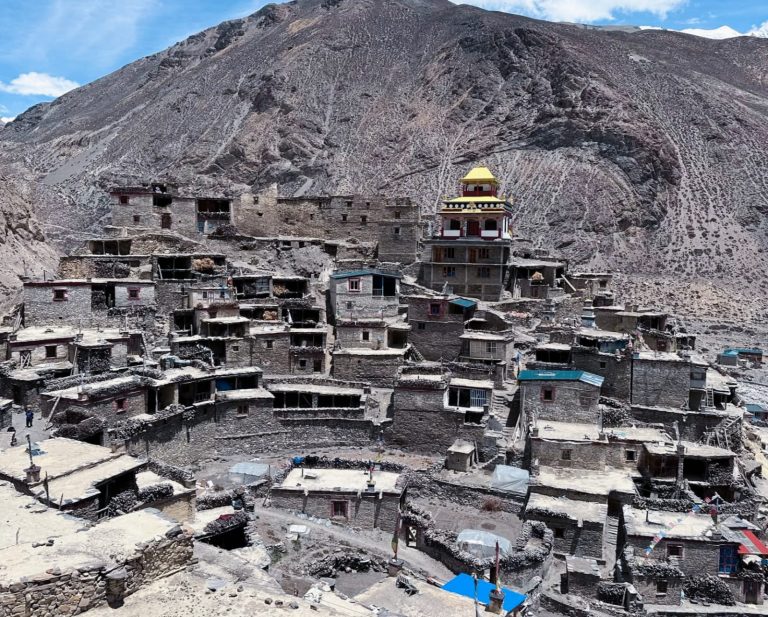
After photos and time at the top, you walk back down for breakfast. The long descent follows ridges, open pastures and forest to Junbesi, a traditional Sherpa village known for its Buddhist heritage. This is the longest day of the trek, so take it slowly and keep your energy up.
Walking time: approx. 3–5 hours round trip Distance: [to be confirmed by operations] Accommodation: Teahouse in Junbesi (same as Day 4) Meals: Breakfast, lunch and dinner
A gentler day after the summit. You walk along the Junbesi valley, with a mostly easy uphill climb, to Thupten Chholing Monastery (approx. 2,920m). It was founded in 1968 by the Tibetan lama Trulshik Rinpoche, who fled Tibet in 1959. Today it is home to several hundred monks and nuns, many of them Tibetan refugees.
Spend time at the monastery, then walk back to Junbesi. In the afternoon, explore the village, with its Sherpa architecture, prayer flags and quiet streets.
Walking time: approx. 4–6 hours Distance: [to be confirmed by operations] Elevation: gradual descent with some short climbs Accommodation: Teahouse or lodge in Phaplu Meals: Breakfast, lunch and dinner
The final walking day follows forest paths, terraced farmland and small settlements. You are walking down toward the main road, so the air gets warmer and thicker. In Phaplu, you can rest, wash up and celebrate finishing the trek.
Driving time: approx. 8–10 hours, depending on road conditions Accommodation: Not included Meals: Breakfast; [confirm whether lunch is included]
After breakfast, you drive back through rural villages, terraced hillsides and river valleys. You arrive in Kathmandu in the late afternoon or evening, and your trek ends there.
It is moderate. There is no technical climbing, but there are 4 long walking days, one of them 7–9 hours.
No. Reasonable fitness is enough. It works well as a first Himalayan trek.
Only if the weather is clear. Spring and autumn give the best chance, but views are never guaranteed.
It is a one-way trek. The road meets the trail again in Phaplu, so a vehicle takes you back to Kathmandu on Day 7.
Yes. Teahouses and lodges are used on every night of the trek, from Dhap to Phaplu. Rooms are simple, and larger stops like Junbesi and Phaplu offer more choice.
Yes, but it needs a separate itinerary. See Everest Base Camp Trek.