
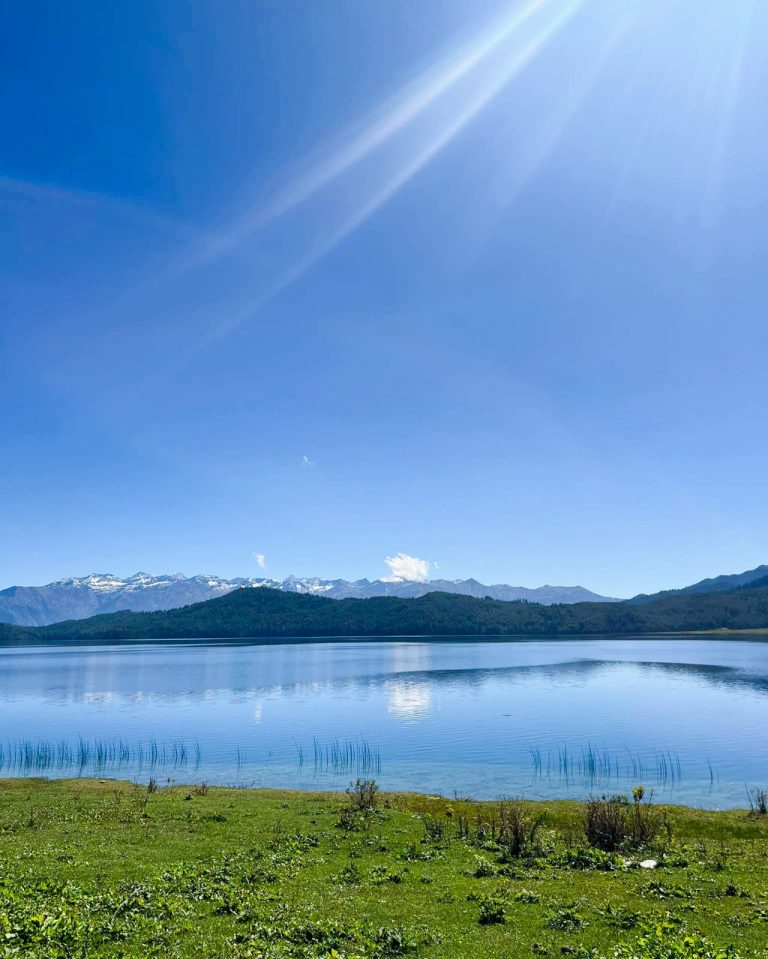
Rara 7 Days Tour
US $499

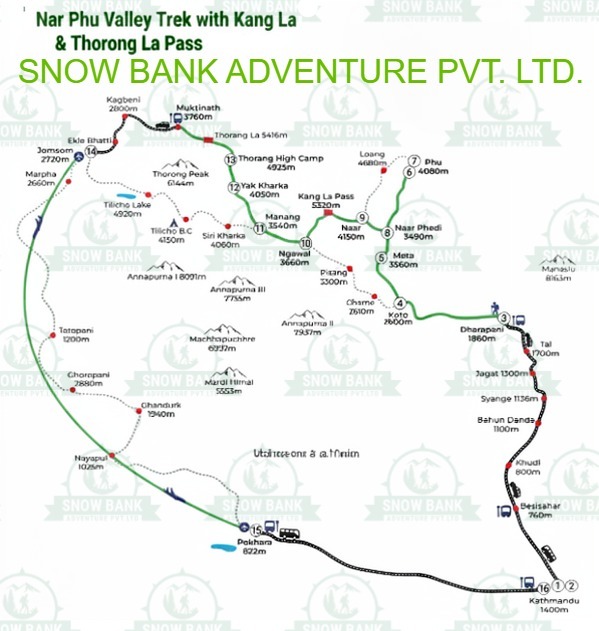
The Nar Phu Valley Trek is one of Nepal’s most remote adventures, tucked into a restricted section of the Annapurna region that most trekkers never see. You’ll leave the busy Annapurna Circuit at Koto and step into a hidden valley that feels like a different world — narrow canyons, colorful chortens, and yak pastures give way to ancient Tibetan-influenced villages where monasteries and traditional ways of life have barely changed in centuries.
The trail follows a Trans-Himalayan landscape more like Tibet than the rest of Nepal, climbing through Phu and Nar before the trek’s biggest test: crossing Kang La Pass at 5,320m. From the pass, you’re rewarded with sweeping views of Annapurna II, Gangapurna, and Tilicho Peak before descending back into the Annapurna Circuit at Ngawal — rejoining the crowds only after you’ve had the valley almost entirely to yourself. From there, the route continues over the classic Annapurna Circuit, crossing Thorong La Pass before finishing at Muktinath and Pokhara.
Because of the altitude, remoteness, and restricted status of Nar and Phu, this trek suits physically fit trekkers who’ve got some high-altitude experience and want something well off Nepal’s beaten path.
Unlike Everest and Annapurna Base Camp, where trails and teahouses can get genuinely crowded in peak season, Nar Phu offers something closer to real wilderness.
Day 1: Arrival in Kathmandu (1,400m)
Day 2: Trek preparation and permits in Kathmandu (1,400m)
Day 3: Drive from Kathmandu to Besisahar, on to Chame (2,670m) — 8-9 hrs
Day 4: Trek from Chame to Koto (2,610m) — 5-6 hrs
Day 5: Trek from Koto to Meta (3,560m) — 6-7 hrs
Day 6: Trek from Meta to Phu Village (4,080m) — 6-7 hrs
Day 7: Acclimatization day in Phu Village (4,080m) — 3-4 hrs optional hike
Day 8: Trek from Phu Village to Nar Village (4,110m) — 6-7 hrs
Day 9: Acclimatization day in Nar Village (4,110m) — 3-4 hrs optional hike
Day 10: Trek from Nar Village to Kang La Base Camp (4,530m) — 4-5 hrs
Day 11: Cross Kang La Pass (5,320m), trek to Ngawal (3,660m) — 8-9 hrs
Day 12: Trek from Ngawal to Manang (3,540m) — 4-5 hrs
Day 13: Acclimatization day in Manang (3,540m) — 4-6 hrs optional hike
Day 14: Trek from Manang to Yak Kharka (4,050m) — 4-5 hrs
Day 15: Trek from Yak Kharka to Thorong Phedi (4,450m) — 3-4 hrs
Day 16: Cross Thorong La Pass (5,416m), trek to Muktinath (3,800m) — 8-9 hrs
Day 17: Travel from Muktinath to Jomsom and Pokhara (820m) — 1-2 hrs drive, plus flight
Day 18: Return to Kathmandu or final departure (1,400m) — 25-min flight or 6-7 hrs drive
Day 1: Arrive in Kathmandu (1,400m)
Land in Kathmandu and transfer to your hotel.
Day 2: Trek preparation and permits in Kathmandu (1,400m)
Sort out your Nar Phu restricted area permit and gear, with time to explore the city.
Day 3: Drive from Kathmandu to Besisahar, on to Chame (2,670m) 8-9 hrs A long drive west, following the Marsyangdi River valley up into the mountains, ending in Chame, the district headquarters of Manang.
Day 4: Trek from Chame to Koto (2,610m)
5-6 hrs A relatively easy day on the main Annapurna Circuit trail. Koto is where you'll leave the busy circuit behind and turn into the restricted Nar Phu side valley.Day 5: Trek from Koto to Meta (3,560m) 6-7 hrs The trail narrows into a steep, dramatic gorge along the Nar Phu River, crossing high suspension bridges as the valley closes in around you.
Day 6: Trek from Meta to Phu Village (4,080m)
6-7 hrs Past ancient chortens and the ruins of old forts, the trail climbs through increasingly remote terrain to Phu, a walled village that feels like it belongs to another century.
Day 7: Acclimatization day in Phu Village (4,080m)
3-4 hrs optional hike A rest day to help your body adjust. Most people use the extra time to visit Tashi Lhakhang Monastery or hike toward Himlung Base Camp.
Day 8: Trek from Phu Village to Nar Village (4,110m)
6-7 hrs The trail descends past streams and bridges to Mahendra Pul, then climbs steeply back up past Buddhist stupas into Nar, a village with good views of Pisang Peak.
Day 9: Acclimatization day in Nar Village (4,110m)
3-4 hrs optional hike Another rest day before the pass. Explore Nar's monasteries or take a short acclimatization hike above the village.Day 10: Trek from Nar Village to Kang La Base Camp (4,530m)
4-5 hrs A shorter day that puts you in position for tomorrow's crossing, gaining altitude steadily through open, high-alpine terrain.Day 11: Cross Kang La Pass (5,320m) and trek to Ngawal (3,660m)
8-9 hrs The toughest day of the trek. An early start gets you over Kang La Pass, with sweeping views of Annapurna II, Gangapurna, and Tilicho Peak, before a long descent down into Ngawal — and back onto the main Annapurna Circuit.
Day 12: Trek from Ngawal to Manang (3,540m) 4-5 hrs An easier day, following the well-established Annapurna Circuit trail into Manang, one of the region's largest villages.
Day 13: Acclimatization day in Manang (3,540m)
4-6 hrs optional hike A rest day before the climb toward Thorong La, with optional short hikes above the village for extra acclimatization.Day 14: Trek from Manang to Yak Kharka (4,050m)
4-5 hrs A gradual climb out of Manang into higher, more open terrain, with yak pastures lining the trail.Day 15: Trek from Yak Kharka to Thorong Phedi (4,450m)
3-4 hrs A shorter day to keep the altitude gain manageable, positioning you for the crossing of Thorong La the next morning.Day 16: Cross Thorong La Pass (5,416m) and trek to Muktinath (3,800m) 8-9 hrs An early, long day over the highest point of the trek, descending into Muktinath, one of the most sacred pilgrimage sites in the Himalayas for both Hindus and Buddhists.
Day 17: Travel from Muktinath to Jomsom and Pokhara (820m)
1-2 hrs drive, plus flight A short drive to Jomsom, followed by a scenic flight down to Pokhara.
Day 18: Return to Kathmandu or final departure (1,400m)
25-minute flight or 6-7 hours drive Fly or drive back to Kathmandu, or connect onward for your international departure.
Note: this itinerary crosses two high passes and spends multiple nights above 4,000m, so acclimatization days should not be skipped. Road and trail conditions in the restricted section can shift with the season — your guide will confirm the day-to-day plan.
Yes. This trek is considered challenging due to its high altitude, remote terrain, and long trekking days. Although no technical climbing is required, you'll cross Kang La Pass (5,320m) and Thorong La Pass (5,416m), so previous trekking experience and good physical fitness are highly recommended.
Yes. Nar Phu is a restricted area, so you'll need a Nar Phu Restricted Area Permit and an Annapurna Conservation Area Permit (ACAP). A licensed trekking guide is mandatory, and we arrange all permits before your trek begins.
No. Independent trekking is not allowed in the Nar Phu Valley. Nepal requires all foreign trekkers in this restricted area to travel with a licensed guide through a registered trekking agency.
The highest point is Thorong La Pass (5,416m), while Kang La Pass (5,320m) is another major highlight. Both passes offer spectacular views of the Annapurna range but require proper acclimatization.
The best seasons are spring (March–May) and autumn (September–November), when the weather is generally stable and mountain views are at their best. Winter brings heavy snowfall over the high passes, while the monsoon can make trails muddy and travel more difficult.
Yes, but they are much more basic than those found on popular routes like Everest Base Camp or the Annapurna Base Camp Trek. Accommodation is simple, with limited facilities, reflecting the remote nature of the Nar Phu Valley.
Yes. Since the trek reaches elevations above 5,000 meters, there's a risk of altitude sickness. The itinerary includes acclimatization days in Phu Village and Manang to help your body adjust. Walking at a steady pace, staying hydrated, and following your guide's advice greatly reduce the risk.
Unlike the busy Annapurna Circuit, the Nar Phu Valley Trek explores a remote restricted region with ancient Tibetan-influenced villages, dramatic canyons, centuries-old monasteries, and far fewer trekkers. After crossing Kang La Pass, the route rejoins the Annapurna Circuit, giving you the chance to experience both trails in one adventure.
The Nar Phu region is home to Himalayan wildlife such as blue sheep, Himalayan griffon vultures, Himalayan marmots, and snow leopards—although snow leopard sightings are extremely rare. The area is also rich in alpine plants and birdlife.
Pack layered clothing for changing temperatures, waterproof gear, sturdy trekking boots, a warm sleeping bag, trekking poles, sunglasses, sunscreen, gloves, and a personal first-aid kit. Temperatures can drop well below freezing at higher elevations, especially during the night.
